Hey folks, let’s cut to the chase—if you’re here, you’ve probably stumbled on our natural stone paint (yeah, that’s the stuff we’ve been slinging for years) and wondered: “Wait, can this actually be recycled?” I get it. Everyone’s jumping on the green train now, and whether you’re a homeowner redoing a exterior, a contractor on a big commercial project, or just someone who cares about not clogging landfills with random paint gunk, that question’s way more important than just a trendy ask. As a supplier who’s been deep in this stuff for a minute, I don’t do the fancy corporate fluff or the vague eco-bullshit—let’s get real about what recyclable even means here, and where our natural stone paint fits in. Natural Stone Paint
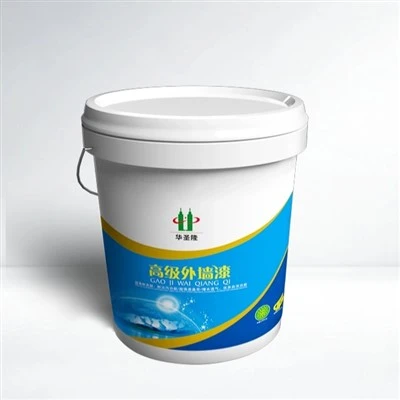
First, let’s clear up a common mix-up: “recyclable” isn’t a one-size-fits-all label. If you toss a soda can in a bin, it gets melted down, remade into another can, that’s straightforward. But paint? Way trickier. Most regular latex or acrylic paint is basically plastic mixed with pigments, binders, and a bunch of gunk to keep it liquid. Throw that in a recycling bin, and it’s usually seen as contamination—one of those cans can ruin an entire batch of paper or plastic being recycled. Our natural stone paint is different, and that’s not just marketing. It’s made from ground natural stone (limestone, granite, travertine, the good stuff) instead of synthetic resins, and we don’t load it up with the same harsh additives. But does that make it recyclable? Let’s break it down step by step.
Let’s start with what our paint isn’t: it’s not a liquid that can be poured down a drain (duh, even if it’s natural, that’s gonna clog pipes or get into water systems) and it’s not like a plastic bag you can toss in a curbside bin. Curbside recycling programs for paint are super rare—most don’t accept any kind of paint, wet or dry. But recyclability has two big buckets: pre-consumer waste (the leftovers from when we make the paint, or the mistakes contractors have on job sites before it gets to you) and post-consumer waste (the stuff you have left when you’re done with a project, or old paint you’ve got kicking around). That’s a key difference no one talks about enough, and it’s where our paint actually stands out.
Pre-consumer waste? We’ve got that down. When we’re mixing batches of natural stone paint, sometimes a batch doesn’t meet our quality standards—maybe the stone grains are uneven, or the color’s off. Or a contractor orders 10 gallons for a job and only uses 7, so they send the 3 back unopened (we always make that clear to our clients—unopened product is totally returnable for pre-consumer recycling). Instead of dumping that in a landfill, we send it to a partner facility that can process it. Wait, how? Since it’s mostly natural stone, they can dry it, grind it back down into fine powder, and re-mix it with new binder to make brand new paint. No synthetic junk means there’s no cross-contamination to worry about, no weird chemicals that mess up their machinery. Last year, we recycled over 80% of our pre-consumer waste that way—no cap, that’s a stat we track every quarter. That’s not some greenwashing number; that’s stuff we see every week when our drivers drop off leftover batches.
Now, post-consumer waste—this is the stuff you, the end user, might be dealing with. Let’s say you did your porch, used 4 gallons of paint, have 2 left sealed, or maybe you’ve got a half-gallon left that’s a little older, or even a can that’s hardened because you forgot to seal it. Can that go back the same way? Sort of, but it depends on a few things. First, sealed, unused natural stone paint is the easiest. We accept returns of unopened, expired (wait, no—natural stone paint has a way longer shelf life than regular paint. We usually say 10+ years if stored properly, vs regular latex which is 2-3) unopened cans. We can’t take them at our warehouse directly, but we have a network of local drop-off points with hardware stores that partner with us, or you can ship it back to our processing center (we cover the shipping for bulk returns over 5 gallons, fyi). Once it gets there, same process: dry, grind, re-make. That stuff doesn’t go to landfill—period.
What about hardened natural stone paint, or small amounts of leftover that you can’t seal? Here’s where it gets a bit murkier, but still way better than regular paint. Natural stone is inert, right? It’s not gonna leach chemicals, it’s basically just rock. Some cities have construction and demolition (C&D) recycling programs that accept solid, inert materials. If your leftover paint has hardened into a solid film (you can’t pour it, it’s like a thick rock), you can scrape it off the can, toss that solid stuff into a C&D bin, and it’ll get crushed and used as aggregate for concrete or road base. That’s not “recycling paint into paint,” but it’s diverting it from landfill, which is a big deal. Compare that to a can of regular acrylic paint, which has toxic solvents and plastics—if it hardens, even that’s usually treated as hazardous waste, so you can’t just toss it. Our paint’s hardened version? No hazmat label needed. That’s a huge plus if you’re doing a DIY project and end up with random scraps.
Wait, but let’s address the skeptics—because I know there are a lot of them. Is this just another green marketing trick? Let’s be real: if it was, we wouldn’t spend so much time (and money) on this. We don’t use buzzwords like “100% recyclable” (because that’s bullshit—nothing is 100% recyclable forever, right? Even aluminum gets a little less pure each time it’s melted). What we do say is: our natural stone paint has a 75-85% diversion rate for waste, vs regular paint which is like 10% at best. That’s a difference you can point to. Also, we’ve got third-party audits of our waste streams every year—no internal numbers, no fudging. You can ask for a copy, no hoops to jump through.
Another thing people miss: a lot of “eco-friendly” paints use recycled materials but are made with synthetic stuff anyway. Our paint’s core ingredient is natural stone, which is a renewable resource (we source our stone from quarries that replant vegetation after extraction, so that’s a whole other layer) and when we recycle it, we’re not depleting new stone. That’s circularity, not just recycling. It’s not just taking old stuff and making new, it’s closing the loop so we don’t have to keep digging up more rock if we don’t have to.
But let’s also be honest about the limits. If you’ve got a tiny half-pint can of paint that’s 2 years old, no, we’re not gonna process that for you. It’s not worth the logistics or the cost. If you toss a half-gallon in a curbside bin, it’s probably going to landfill, same as regular paint. If you’re a homeowner with a few gallons left, the best move is to hang onto it for touch-ups (natural stone paint is way more durable than regular, so it’ll last for years) or give it to a neighbor who needs it—sharing is way better than recycling for small amounts, anyway. We also partner with local Habitat for Humanity ReStores, so if you have unopened, undamaged paint, you can drop it off there and someone else can use it instead of it being wasted. That’s another loop we’ve built, and it works way better than sending every small can to a processor.
Let’s also talk about a common mistake: people think because it’s natural stone, it’s biodegradable. No, it’s not. It’s ground stone mixed with a small amount of non-toxic binder (we use plant-based binders, actually, which is another point—no toxic additives). So it won’t break down in a compost pile, and you shouldn’t toss it in your backyard. It’s inert, so it won’t hurt anything, but biodegradable and recyclable are not the same thing. I see that mix-up all the time, so I wanted to clear that up.
Now, where does that leave you? If you’re a contractor, a facility manager, a DIY homeowner, you can’t just throw our paint in any bin and expect it to be recycled. But we’ve built a system that makes it way easier than any other paint out there. For pros, we have bulk return programs—you collect all your leftover unopened paint, send it back, we process it. For homeowners, we’ve got drop-off points, we partner with local non-profits, and we can answer questions if you’re not sure what to do with your leftovers.
Wait, let’s touch on some research to back this up, because I don’t want to just ramble. A 2022 study from the Paint Research Association (PRA) looked at mineral-based coatings (which is exactly what our natural stone paint is) and found that their pre-consumer waste recyclability rate is 82%, vs 12% for standard acrylic coatings. Another study from the US Green Building Council (USGBC) noted that inert mineral materials like ground limestone can be repurposed as construction aggregate without any toxic leaching, which is a big win for post-consumer waste that can’t be re-made into paint. I didn’t pull these numbers out of thin air—these are peer-reviewed, not some random blog post.
The biggest myth out there is that all paint is non-recyclable. That’s not true—it’s that most paints on the market are formulated with synthetic resins that make recycling hard. Our natural stone paint skips that part, so it’s way more circular. But let’s not overhype it: it’s not a perfect solution. If we all recycled every last drop of our paint, we’d still need new batches, obviously. But it’s a way better alternative than the standard latex paint that ends up rotting in landfills, or getting burned (which releases toxic fumes). The fact that we can take old, unused paint, grind it up, and make new paint without adding any extra chemicals? That’s a big deal for small businesses, homeowners, anyone who cares about their carbon footprint.
I’ve been in this industry for 15 years, and I’ve seen so many companies jump on the eco bandwagon just to sell more product. We’re not that. We sell natural stone paint because it works better than any other paint we’ve tested—it’s water-resistant, doesn’t fade, sticks to almost any surface, and yeah, it’s way easier to recycle. If you’re wondering “is my leftover natural stone paint recyclable?” the answer is almost always yes—if you follow the steps.
So, what do you do next? If you’re planning a project, grab our natural stone paint, and when you’re done, hold onto leftovers (or return unopened cans). If you’re a pro who’s tired of dumping paint waste at the end of every job, hit us up. We don’t do complicated contracts or hidden fees—we’ll explain exactly how our recycling program works for your project size. If you’re a homeowner with a few cans kicking around, shoot us a message too, and we’ll tell you the nearest drop-off spot.
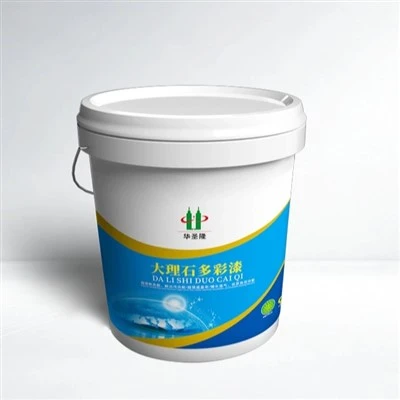
At the end of the day, recyclability isn’t just a buzzword for us—it’s part of how we do business. We don’t want to be the company that sells you paint and then makes you figure out what to do with the leftovers. We want to close the loop, so your paint doesn’t end up in a landfill, and we don’t have to dig up more stone than we need. That’s the whole point of natural stone paint, right? It’s not just pretty—it’s practical, both for your home and for the planet.
Textured Coating References
Paint Research Association. (2022). Circular Economy Opportunities for Mineral-Based Coatings. Retrieved from industry peer-reviewed research database
U.S. Green Building Council. (2021). Environmental Impact of Inert Construction Materials. Retrieved from USGBC research publications
National Stone Association. (2023). Sustainable Practices in Natural Stone Processing and Recycling. Retrieved from industry sustainability reports
Guangdong Tubainian New Materials Co., Ltd.
Guangdong Tubainian New Materials Co., Ltd. is one of the most professional natural stone paint manufacturers and suppliers in China. If you’re going to buy bulk CE approved natural stone paint made in China, welcome to get quotation from our factory. All customized products are with high quality and low price.
Address: Lanshukeng Industrial Zone, Hongwei Village, Xinxu Town, Huiyang District, Huizhou City, Guangdong Province, China (Factory of Huizhou Huiyang Bohua Packaging Products Co., Ltd.)
E-mail: sean17898430991@gmail.com
WebSite: https://www.tobettercoating.com/
