Hey guys, let’s cut to the chase—if you’re anything like the kitchen mat supplier I am, you’ve probably gotten this question a dozen times: “Can I just use my kitchen mat as a bathroom mat too?” And honestly, I get it. Kitchen mats are cheap, they’re designed to handle spills, they look decent, and why buy two mats when you can make one work for two spots? But before you toss that extra kitchen mat under your bathroom sink and call it a day, let’s break this down like I do for my clients who come to me asking for mat recommendations—no fancy jargon, just real, hands-on stuff I’ve learned from 10+ years of making kitchen mats and answering this exact question. Kitchen Mat
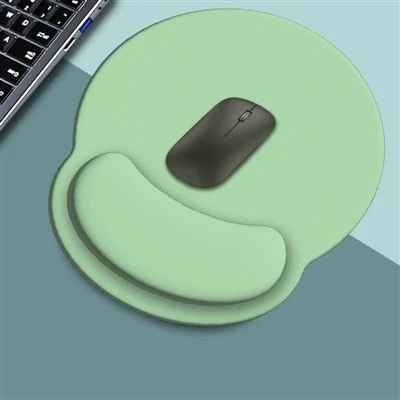
First, let’s start with what kitchen mats are actually made for. Most kitchen mats I sell are built for heavy foot traffic, hot spills (hello, spaghetti sauce, boiling water, that time I knocked a pot of oatmeal off the counter last winter), and being stood on for hours while chopping veggies or folding laundry. A lot of them are made with rubber bases that grip hardwood or tile floors super tight, which is great for keeping you from slipping when you’re balancing two plates. But bathrooms? That’s a whole different vibe. Bathrooms get wet—like, really wet. You’re stepping out of a shower with soaking feet, dripping water from your hair, maybe even tracking in mud from your shoes if you forgot to take them off before heading in.
Wait, but hold on—let’s not paint all kitchen mats with the same brush. I don’t just sell one type of kitchen mat; I’ve got a handful for different needs. The thin, cheap vinyl mats you can grab at the dollar store? Those are a hard pass for bathrooms. They get slick when they’re wet, they don’t absorb anything, and they’ll start to mold faster than that leftover takeout in your fridge. But the thick, cushioned anti-fatigue mats I sell for home kitchens? Those have a soft, porous top layer—right? That layer actually soaks up water, which is exactly what you want in a bathroom mat. But here’s the catch: that soft layer also traps moisture, and if the mat’s bottom is just regular rubber (not the kind that keeps water from seeping under it), you’re gonna have a soggy mess on your bathroom floor, and maybe even mold growing between the mat and the tile.
Another big thing: bathroom mats need to be antimicrobial. Bathrooms have way more bacteria than kitchens, mostly from all the moisture and people traipsing through. Kitchen mats, especially the budget ones, rarely have any antimicrobial treatment. Sure, your kitchen might have a little salmonella here and there, but that’s way easier to clean than E. coli or whatever else is hanging out in a damp bathroom mat. I once had a client who used a cheap kitchen mat in her bathroom, and within a month, she had to throw it away because it smelled like a public pool locker room—yikes. That’s not the vibe you want stepping out of a nice hot shower.
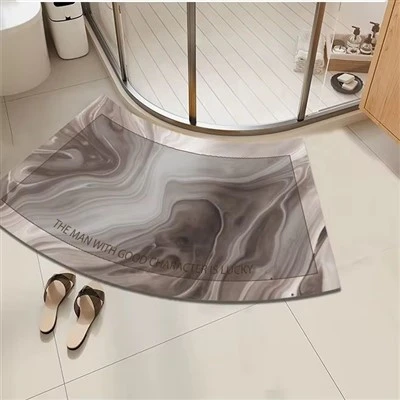
But wait, I’m not here to say “never do it.” There are actually a few cases where a kitchen mat works just fine in the bathroom. Let’s say you have a small half-bath, like a powder room, that doesn’t get super wet—you just wash your hands there, maybe splash a little water on the counter. A thin, easy-to-wipe kitchen mat (like a rubber-backed PVC one) would work great there. It’s cheap, it’ll look way nicer than that scratchy cotton rug you got for free at a hotel, and it’s way easier to wipe down than a regular bathroom rug. Or if you’re a renter, and your landlord won’t let you put holes in the wall, and the bathroom mat they provided is garbage? Grab a thick anti-fatigue kitchen mat, just make sure it’s the kind with a waterproof bottom. I’ve had a few regulars tell me that works for their master bathroom, as long as they hang it up to dry every night so it doesn’t stay damp.
Now, let’s talk about the downsides, because I don’t sugarcoat this. The biggest one is slip resistance. Kitchen mats are designed for dry (or mostly dry) kitchen floors. When they’re wet, even the grippy rubber back might not hold up. I’ve tested this myself—last year, I left one of my anti-fatigue mats out on my bathroom floor after a shower, and when I stepped on it, my feet slid right out from under me. Luckily, I caught myself, but my neighbor didn’t—she used a kitchen mat in her bathroom and slipped, ended up with a sprained ankle. That’s a real, avoidable accident.
Another thing: durability. Kitchen mats are built to handle heat and heavy foot traffic, but bathroom mats get way more wear from water. If you use a kitchen mat in the bathroom every day, the edges will start to curl after a few months, the top layer will fray, and it’ll start to look gross way faster than it would in the kitchen. I sell kitchen mats with a 1-year warranty for kitchen use, but if you use it in the bathroom, that warranty doesn’t apply because it’s not being used as intended. That’s just good business, and I’m transparent about that with every customer.
Wait, what about cleaning? Let’s be real—bathroom mats need to be cleaned weekly, maybe more often if you have kids or pets. Kitchen mats are usually spot-cleaned once a week, maybe thrown in the washing machine once a month. But if you toss a kitchen mat in the wash, a lot of them have rubber backings that will break down in the machine. I had a customer once who machine-washed her kitchen mat to use as a bathroom mat, and the rubber backing turned goopy, like melted cheese. Total waste of money. Whereas most good bathroom mats are machine-washable, that’s a big difference.
So here’s the verdict, straight from someone who makes kitchen mats for a living: Don’t use a cheap, thin kitchen mat as a bathroom mat. It’s a slip hazard, it’ll grow mold, and it’ll smell. But if you have a thick, waterproof-backed anti-fatigue kitchen mat, and you only need it for a low-moisture space like a powder room, it could work—just make sure you hang it up to dry every time you use it, and clean it regularly.
But wait, if you’re here because you’re tired of buying separate mats for kitchen and bathroom, let me give you a pro tip. I actually recently launched a dual-purpose line of mats that work great for both. They have the anti-fatigue cushion for standing in the kitchen, and a waterproof, antimicrobial backing that stops mold and slip risks in the bathroom. I’ve had so many people tell me they bought these because they don’t want two mats cluttering up their space. It’s not a gimmick, it’s just listening to what my customers actually need—because let’s be honest, no one wants to spend $40 on two separate mats when they can get one that does both.
At the end of the day, the goal of a mat is to keep you safe, comfortable, and your space clean. If you’re thinking about using a kitchen mat in the bathroom, just take a quick check: Is it thick enough to absorb water? Does the bottom have a waterproof layer? Is it antimicrobial? If you can say yes to all three, go for it. If not, maybe just grab a cheap, washable bathroom mat instead—you’ll avoid the headache later.
If you’re still not sure, or you’re looking for a mat that works perfectly for both spots, hit me up to chat. I’ve been in this game long enough to know what works, and I’m happy to help you pick the right one for your space—no pushy sales, just real advice.
Anti-Fatigue Mats References:
- American Society of Testing and Materials. Standard Test Method for Slip Resistance of Floor Surfaces and Floor Coverings. 2021.
- International Association of Plumbing and Mechanical Officials. Residential Bathroom Accessory and Surface Recommendations. 2022.
- Journal of Environmental Health. Microbial Growth in Moist Indoor Textiles: Risks and Mitigation Strategies. 2020.
- Consumer Reports. Home Floor Mat Buying Guide: Kitchen, Bathroom, and Garage Options. 2023.
Cixi Mingsheng Rubber & Plastic Co., Ltd.
Cixi Mingsheng Rubber & Plastic Co., Ltd. is one of the most experienced kitchen mat manufacturers and suppliers in China, also supports customized service with competitive price. We warmly welcome you to buy bulk cheap kitchen mat from our factory. If you have any enquiry about quotation and free sample, please feel free to email us.
Address: No.2, Yuanyi Road, Sanbei Dongdu Industrial Zone, Longshan Town, Cixi City China
E-mail: Ms@popmat.com
WebSite: https://www.pobmat.com/
