If you’re reading this, odds are you’re either a utility company lead, a civil contractor, or someone like me—someone who’s spent way too long in the weeds of power transmission tower deployments, not just selling the towers but making sure they actually go up without getting stuck in red tape. Let’s cut to the chase: I get it. When a client calls asking, “What permits do I even need to put a transmission tower up?” half the time they’re still googling “what’s a transmission easement” and the other half are panicking because they missed a deadline and their whole project is on hold. As a power transmission tower supplier, I don’t just ship steel and concrete foundations to you— I’ve fielded these questions hundreds of times, from small rural substation upgrades to large-scale wind farm interconnection projects across the U.S. Power Transmission Tower
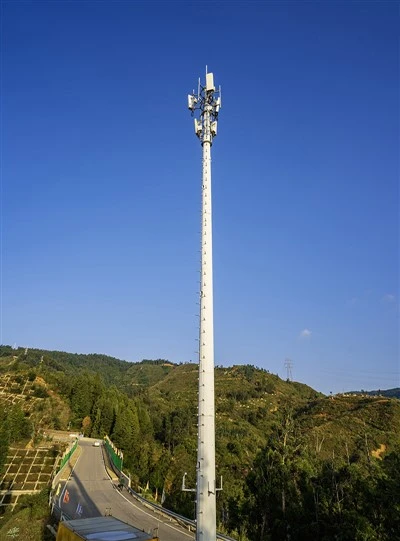
First off, let’s make a distinction that trips everyone up: a power transmission tower isn’t a cell tower or a random utility pole. It’s a 50-to-200-foot steel lattice or monopole structure that carries high-voltage lines (think 69kV and up) across miles, through land that might be private, public, agricultural, or even wetlands. So the permits aren’t as straightforward as “just a building permit”—they’re layered, site-specific, and if you skip one, you’ll be picking up fines or having to tear down half the structure before it’s even energized. I’ve seen it happen. A couple years back, a mid-sized solar farm client I worked with almost lost $120k in rework because their foreman forgot to apply for a wetland delineation permit. Turns out the tower pad was half on a federal wetland, and they had to move the whole tower location last minute. That’s the stuff I warn every client about before we even pull steel for their order.
Let’s break this down step by step, starting with the basic local stuff that people usually handle first, then moving up to state and federal permits that don’t get nearly enough airtime.
First: Local permits. This is the base layer, and it’s where most projects start, but it’s also the most variable. If your project is on private land, you’ll need two big local ones first: a Land Use Permit and a Site Development Permit. Wait, I know—some cities call it a Zoning Permit, others a Building Permit, but for transmission towers, it’s usually a combination of both. Here’s what that entails: your local planning department will review your tower’s height, setbacks (how far it has to be from roads, property lines, homes), and whether the land is zoned for utility infrastructure. A lot of people assume rural land is fair game, but even rural counties have setback rules—like, say, 100 feet from a residential property line, or no towers within 500 feet of a historic site. I always tell clients to run their tower design by the local planning department before finalizing it. We tweak the base plate size or slightly adjust the tower’s footprint all the time to meet local setbacks, because moving a tower 10 feet is way cheaper than redoing permits.
Then there’s the right-of-way (ROW) permit, and this is make-or-break. If the land your tower is going on is owned by you or the utility, great—you might have a deeded ROW. But if it’s crossing private land, state park land, or federal land, you need a ROW grant or easement from the landowner or the managing agency. Here’s the secret most contractors don’t tell you: ROW disputes are the number one delay for transmission projects. I’ve had a client wait 6 months just to get a 10-acre easement from a farmer who was worried about his cattle getting spooked by the tower. So as your supplier, we include ROW layout recommendations in our pre-sales packages—like spacing towers away from livestock pastures, or using a smaller monopole instead of a lattice tower if the landowner values the open look. It’s not just about selling a tower; it’s about making the whole process smoother.
Now, moving up to state-level permits. Most states have a Public Utility Commission (PUC) or equivalent that regulates high-voltage transmission. Even if your project is small (like a 69kV line between two substations), you’ll need a PUC Certificate of Public Convenience and Necessity. What that means is the state is checking that your project isn’t just good for you—it’s good for the public. They’ll ask if there’s a need for more power in the area, if your route is the most efficient, and if you’re accounting for things like environmental impact. For example, here in Texas, the PUC shut down a wind farm transmission project a few years back because they routed towers through a major bat migration corridor, without adjusting the route to avoid that. So don’t skip this step—even if you think the state will greenlight it, pushing for this early saves you so much headache later.
Then there’s the big one that no one talks about until they hit it: federal permits. If your project crosses any federal land, or touches a protected natural resource, you’re going to need a bunch of these. Let’s start with wetland permits, because that’s the most common. Under the Clean Water Act, the U.S. Army Corps of Engineers (USACE) regulates work in waters of the U.S., which includes wetlands, streams, and even some ephemeral drainage ditches (you know, the ones that only run after it rains, but count for federal regulations). You’ll need a Section 404 Permit if your tower pad, access road, or line crossings are going to impact more than 0.5 acres of waters of the U.S. I mentioned that solar farm I worked on earlier—they had 0.3 acres of impact, but since it was a federally protected wetland (a vernal pool, specifically), they still needed a 404 permit with mitigation measures, like building a new vernal pool nearby to offset the impact. That’s not optional, and you can’t get around it by calling a ditch a “drainage swale.” The USACE has mapping tools now, but they’re garbage—always do your own on-site wetland delineation before you apply, because that’s what they’ll base their decision on.
Next, if your project involves crossing a major river, highway, railroad, or any other federal right-of-way (like a pipeline easement), you’ll need a cross-permit from the agency that manages that. For example, if you’re crossing a state highway, you’ll need a permit from the state Department of Transportation (DOT); if it’s a railroad, it’s the Federal Railroad Administration (FRA). Those cross-permits usually cover things like how you’ll install the tower foundation without damaging the underground utilities or rail tracks, and how you’ll maintain access to the highway or railroad. I’ve had clients try to skip this because they thought their local permit was enough, only to have the DOT shut down their access road because it cut through a highway easement. Again, we flag these routes in our tower layout plans—we mark any crossings of major infrastructure so our clients don’t miss those extra permits.
Then there are the historic and endangered species permits, which are often bundled with the federal wetland stuff but worth calling out on their own. The National Historic Preservation Act (NHPA) requires that you survey any proposed project area for historic sites—like old Native American campgrounds, cemeteries, or 19th-century homesteads. If you find one, you might need to adjust your tower location, or do a full archaeological survey, which adds time and cost. And if your project is in habitat for an endangered or threatened species (like the North American whooping crane, or the Indiana bat), you’ll need a permit from the U.S. Fish and Wildlife Service (USFWS) under the Endangered Species Act (ESA). That’s where the Texas bat project I mentioned earlier came in—they didn’t survey for bat colonies, so USFCS shut them down until they rerouted. As a supplier, we actually partner with environmental firms that do these surveys for our clients, because we know how critical they are. It’s not an extra cost we tack on—we pass along the discounted rate we get, because we want our clients’ projects to go off without a hitch.
Wait, what about if your project is part of a regional transmission line, like the ones that connect multiple states? Then you might also need a FERC (Federal Energy Regulatory Commission) permit, right? FERC regulates interstate transmission, so if your line crosses state lines and carries power across multiple states, they’ll review your route, ROW, and impact before you even apply for state permits. That’s a whole other layer—FERC’s process can take 18 months to two years, so if you’re working on a cross-state project, you need to factor that into your timeline, not just the local and state stuff.
Let me give you a quick checklist to make sure you’re not missing anything, because I’ve had so many clients come to me halfway through their project panicking because they forgot a permit:
- Local: Zoning/Land Use Permit, Site Development Permit, Right-of-Way Agreement for all land your tower is on.
- State: Public Utility Commission (PUC) Certificate, DOT Cross-Permits (if crossing state highways).
- Federal: USACE Section 404 Permit (if in wetlands), NHPA Historic Survey, USFWS Endangered Species Permit (if in protected habitat), FERC Permit (if interstate project), FRA Permit (if crossing rail).
Now, here’s the thing I tell every new client: as a power transmission tower supplier, I’m not just here to sell you steel. I’ve got 12 years in this industry, I’ve dealt with every permit delay, every ROW fight, every last-minute adjustment. We don’t just ship you a tower and a foundation—we include a free pre-design review where we flag potential permit red flags before you even spend money on engineering. For example, if your proposed tower site is within 200 feet of a historic cemetery, we’ll suggest shifting the tower 15 feet to avoid that, which saves you weeks of delay waiting for a historic survey. If you’re crossing a wetland, we’ll work with our environmental partners to make sure your mitigation plan meets USACE requirements before you even submit your application, so you don’t get rejected the first time.
I know a lot of suppliers just check boxes, take your money, and leave you to deal with the permits on your own. But that’s not how we roll. We’ve seen too many great projects get derailed because someone missed a permit, and we don’t want that happening to you. Whether you’re a small utility putting up two towers to serve a new housing development, or a big renewable energy company building a 100-mile line to connect wind farms to the grid, we’ve got your back.
If you’re ready to move forward, or you’ve got questions about your specific project—what permits you need, how long they’ll take, how much they’ll cost—reach out, and let’s chat. We can walk through your site, your route, and make sure you’ve got all the bases covered before you place your tower order. No jargon, no red tape, just straight talk that’s saved dozens of our clients thousands in delay costs.
Power Transmission Tower References:
- U.S. Army Corps of Engineers. (2023). Clean Water Act Section 404 Permits for Transmission Infrastructure.
- Federal Energy Regulatory Commission. (2022). Interstate Transmission Permitting Guidelines.
- National Association of Regulatory Utility Commissioners. (2021). State Public Utility Commission Requirements for Transmission Towers.
- U.S. Fish and Wildlife Service. (2023). Endangered Species Act Section 10 Permits for Utility Projects.
- Environmental Protection Agency. (2022). Wetland Delineation Standards for Construction Projects.
Hunan Zhubang Hongsheng Construction Technology Co., Ltd.
As one of the most professional power transmission tower manufacturers and suppliers in China, we’re featured by quality products and good price. Welcome to buy high-grade power transmission tower made in China here and get quotation from our factory. Customized orders are welcome.
Address: Lutang Village, Yong’an Town, Liuyang City, Changsha City, Hunan Province, Hunan Zhubang Hongsheng Construction Technology Co., Ltd.
E-mail: 19898838989@163.com
WebSite: https://www.chinaenerto.com/
