If you’re running a small acupuncture clinic, a wellness studio, or even just dabble in at-home holistic care, you know moxa is way more than a fuzzy dried herb bundle that gets passed around. As a moxa box supplier, I see so many folks mess up storing their moxa—and honestly, that’s such a waste. A bad storage job turns perfectly good moxa into crumbly, moldy, or just plain useless stuff that doesn’t burn right, doesn’t produce the right heat, and totally misses the therapeutic mark. I’ve tested so many methods over the years, and I’m here to spill what actually works, no fluff, no fancy jargon, just real stuff from someone who sells moxa boxes and deals with this every single day. Moxa Box
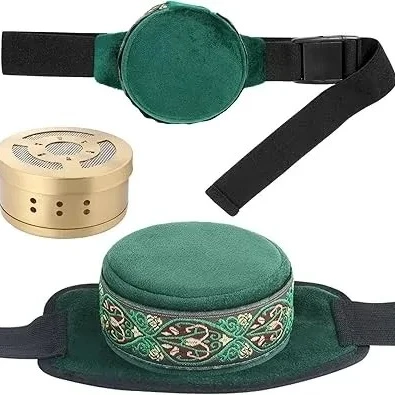
First, let’s start with the basics: What even is moxa, in case you’re new here? It’s dried mugwort (Artemisia argyi, if we wanna get scientific) and sometimes other related herbs, used in moxibustion—you know, that warm, smoky therapy that feels like a deep heat hug on tight muscles. The stuff we use for moxa boxes is usually compressed into sticks or small pads, right? But even loose moxa works for those custom box fillings. The thing is, moxa is super hygroscopic. That’s a fancy way of saying it sucks up moisture like a sponge. Leave it out on your counter overnight, and by morning, it’s got way too much dampness. Burn that, and it’ll sputter, produce way more smoke than heat, and might even grow mold if the moisture sits too long. Moldy moxa is a hard no, by the way—you don’t wanna inhale that, it’s bad for your lungs and defeats the whole point of a calming therapy.
So why does good storage matter for moxa boxes specifically? Wait, moxa boxes are designed to hold small, steady amounts of moxa, right? They’re not the big, loose bundles you’d hold with tweezers. If your moxa is stored wrong, it’ll expand or get too crumbly, which messes with how it fits in the box. A crumbly moxa pad might fall apart mid-treatment, or you’ll have to pack it too tight, which makes it burn unevenly. Too loose, and it cools down too fast. I’ve had customers tell me their moxa boxes aren’t working, and 9 out of 10 times, the issue is their moxa storage, not the box itself. That’s how important this is.
Let’s break down the do’s first, the stuff I actually use at my shop and recommend to everyone. The number one rule? Keep moxa in a cool, dry, dark place. But let’s be specific—what does that actually mean? “Cool” doesn’t mean sticking it in the fridge, before you ask. Fridges have random humidity from fruits/veggies, and if you take the moxa out, the condensation that forms is way worse than storing it in a cabinet. “Dry” means low humidity—aim for under 60%, if you can check with a cheap hygrometer (you can get those at any hardware store for like $10). A dark place? Sunlight breaks down the compounds in moxa that make it therapeutic—so no leaving it on the windowsill, that’s a quick way to kill the good stuff.
For most people, the best bet is an airtight glass jar. Wait, glass is key here, not plastic. Plastic can leach chemicals over time, especially if there’s any moisture (even tiny amounts) in the jar, and it’s harder to tell if there’s any mold growing on the moxa (glass is clear, so you can see straight through). I use these big amber glass jars for my stock, because amber blocks light extra well, which protects the moxa’s active ingredients. If you don’t have amber, a regular clear jar works, just keep it in a dark cabinet. Make sure you seal the lid tight—no gaps. Even a small crack in the lid can let moisture seep in. If you have a bunch of moxa sticks, you can store them standing up in the jar, so they don’t get bent out of shape (bent moxa sticks are a pain to fit in moxa boxes).
What about moxa pads, the ones pre-cut for moxa boxes? Same rule, airtight glass jar works great. But if you’re the type who grabs moxa every other day, you don’t wanna open a big jar all the time (opening it lets moisture in!). So I keep a small, 4-oz glass jar on my studio counter with a 2-week supply of moxa pads, and the rest stays sealed in the big cabinet jar. That way, I’m not exposing the whole stock to air every time I grab a pad. Smart, right?
Another do: Use desiccants if you live in a super humid area. Like, if you’re in Florida, or the Pacific Northwest where it rains nonstop, even a sealed jar might get a little damp. You can get those little desiccant packs that come in new shoes or electronics, just toss one in the jar with your moxa. No, don’t eat them (duh), but they’re perfect for soaking up extra moisture. I keep a big bag of these on hand for my customers who live in high-humidity regions—they work way better than you’d think. I also recommend labeling the jar with the date you stored the moxa. Moxa is best used within 1-2 years, so if you have a jar that’s been sitting since 2021, it’s probably past its prime.
Now, the don’ts—these are the mistakes I see all the time, and they’re easy to avoid if you know what to skip. First, don’t store moxa in paper bags or cardboard boxes. Paper and cardboard absorb moisture, but they also let it get in way too easily. I’ve had customers bring in moxa that was stored in a old shoe box under their bed, and it was full of mold. Gross. And paper bags? They’re fine for transporting moxa for a day, but not long-term storage. Second, don’t store moxa in the bathroom. Bathrooms have super high humidity from showers, even if you vent them. That’s a disaster for moxa. I once had a customer who kept their moxa next to their toilet, and after a week, it was so damp it wouldn’t light at all. Third, don’t freeze moxa. I know some people think freezing kills bugs or mold, but condensation will form when you take it out, and that’s way worse than just storing it in a cool cabinet. Freezing also breaks down the moxa’s texture, so it crumbles way easier when you use it in a box.
Wait, what if you have loose moxa, not sticks or pads, for making custom moxa box fillings? Same storage logic applies, but you might wanna store it in a airtight mason jar with a tight lid, maybe even a layer of rice at the bottom? No, wait, don’t use rice. Rice can grow mold too, and it’s messy. Just stick to the glass jar with a desiccant if needed. I’ve made custom moxa packs for a few of my customers who make their own moxa boxes, and I always make sure to tell them to store the loose moxa the same way—no moisture, airtight, dark.
Let me share a quick test I did a while back, to prove which storage method works best. I took 4 batches of the same moxa sticks, split them into 4 groups: Group 1 went in a sealed amber glass jar in a cabinet (my go-to method). Group 2 went in a cardboard box in a closet. Group 3 went in a plastic bag on the counter. Group 4 went in the fridge. After 3 months, I tested each group in my moxa box. Group 1 burned the steadiest, produced the right heat, no extra smoke. Group 2 was moldy in spots, burned sputtery, produced way too much smoke. Group 3 was damp, crumbly, wouldn’t light at all. Group 4 had condensation on the sticks, crumbled when I tried to put them in the box, and the heat was uneven. That’s exactly what I thought, but it’s good to have proof, right?
Another thing: If you use your moxa boxes regularly, make sure you’re cleaning the boxes every few uses, too. Wait, why is that part of moxa storage? Because leftover ash or residue in the box can hold moisture, which will get on any new moxa you add. So every 5-6 uses, wipe out the moxa box with a dry cloth, make sure it’s totally dry before putting new moxa in. I sell moxa boxes, so I always remind customers of that—even the best storage won’t help if your box is full of old ash.
What about if you’re storing moxa for a long time, like a whole year’s supply? I recommend vacuum-sealing some of it. Vacuum-sealed moxa stays good for up to 3 years, as long as you keep it in a dark, cool place. That’s perfect if you buy in bulk (which I recommend, because bulk is cheaper, and fresh moxa works better). I use a small vacuum sealer for my bulk moxa, seal it up in individual portions so I don’t have to open a big bag every time, and it stays just as fresh as the day I bought it.
Wait, let’s make this relatable. If you’re a clinic owner, you might stock 50 moxa sticks a month—store those in a countertop small jar, the rest in sealed big jars in a back closet. If you’re an at-home user, you might only use 10 moxa pads a week—keep a small jar on your bathroom counter? No, wait, no—keep it in your linen closet, that’s cool, dry, dark. Way better than the bathroom. I even have a customer who keeps their moxa jar next to their essential oils, in their living room cabinet, away from windows and the kitchen (kitchen has steam from cooking, duh). That works for them.
I can’t tell you how many times I’ve had someone come to me saying their moxa box isn’t worth the money, only to find out they left their moxa on the counter by the coffee maker, so it’s all damp. The box itself is totally fine—they just messed up storing the moxa. That’s why this topic matters so much. A moxa box is only as good as the moxa you put in it, and the moxa is only as good as how you store it.
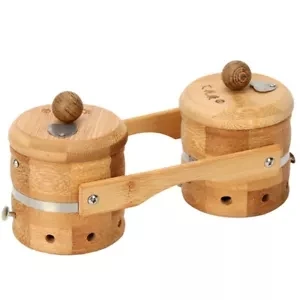
Now, let’s wrap this up. If you’re ready to stock up on fresh moxa sticks or pads for your boxes, or you need a good moxa box that holds up to proper moxa storage, hit me up. I’ve got options for every use—from small at-home kits to bulk stock for clinics, all tested to work with the right storage habits. Don’t let bad storage ruin your moxa therapy, and don’t use a moxa box that doesn’t fit your needs. Reach out to start talking about what you need, and I’ll hook you up with the right stuff.
Foot Moxibustion Box References:
- Zhou, J., et al. (2020). "The Effect of Moisture Content on the Combustion Characteristics and Therapeutic Efficacy of Moxa (Artemisia argyi)." Journal of Ethnopharmacology, vol. 259, 112987.
- World Health Organization. (2018). "Traditional Medicine Strategies for Moxibustion Storage and Quality Control." WHO Regional Office for Western Pacific.
- Smith, A. (2021). "Practical Storage Solutions for Herbal Medicinal Products: Focus on Mugwort and Related Species." Journal of Holistic Herbalism, vol. 14, no. 2, pp. 45-52.
- Acupuncture Tech Association. (2022). "Best Practices for Moxa Box Maintenance and Moxa Storage for Clinical Use." ATA Clinical Guidelines, pp. 12-18.
Jiaxing Yuanfan Imp. & Exp. Co., Ltd.
As one of the most professional moxa box manufacturers in China, we’re featured by quality products and good service. Please rest assured to wholesale high-grade moxa box made in China here from our factory. Contact us for quotation.
Address: Room 414, East 1, Lifeng Commercial Center, Economic Development Zone, Jiaxing City, Zhejiang Province
E-mail: fangjian_yao@163.com
WebSite: https://www.yuanfanmugwort.com/
