If you’re an outdoor parent like me, you know that grabbing a lightweight stroller for hiking feels like finding a hidden trail that’s perfect—until it breaks on a rocky path or weighs so much you might as well carry your toddler in a pack. As someone who’s spent years testing strollers for our outdoor baby strollers brand (and hauling my own kid up more miles than I can count on local trails), I get how tricky this choice is. You want something that’s not too bulky, can handle uneven ground, and doesn’t make you regret bringing it along before you even hit the first hill. Let’s break down what actually makes a great lightweight hiking stroller, plus the top pick that’s worked for hundreds of parents, because let’s be real—no one has time for a stroller that’s a total leech on their trail fun. Outdoor Baby Strollers
First, let’s talk about the “lightweight” part—because I see so many brands claiming theirs is light, only to realize it’s heavier than my 2-year-old. For hiking, we’re not talking about the grocery-store stroller you fold with one hand for the mall. Trail strollers need to balance being light enough to haul if you have to carry it (like over a fallen log or up a steep side path) and sturdy enough to not tip over on roots or loose gravel. The sweet spot? Around 18 to 25 pounds. Any lighter, and you’re sacrificing structural integrity—like those $100 “hiking” strollers that fold up like a tote but bend when you hit a small rock. Too heavy, and after 2 miles, your arms are tired and your kid is already asking to get out (fair).
Next, what do you actually need for hiking that you don’t need for a walk around the park? Suspension, for starters. Pavement is flat, but trails have potholes that feel like craters, roots that jolt your kid so hard they spill their snack, and hills that make the stroller bounce like a basketball. A good suspension system (usually front and rear springs, or even padded wheels that absorb impact) turns that bumpy trail into a smooth ride. I’ve tested strollers with only front suspension once—total mistake. We went over a rocky section and my kid’s sippy cup flew out of the holder, and they were mad for the rest of the hike. Double suspension is non-negotiable if you plan to do anything beyond gravel paths.
Then there are wheels. Let’s be clear: regular stroller wheels won’t cut it here. Air-filled tires (like bike tires, not those tiny plastic ones) are a game-changer. They roll over rocks better, absorb more shock, and don’t leave you with a flat tire halfway (though pro tip—carry a mini tire patch kit just in case, no brand can prevent a nail hidden under pine needles). Look for wheels that are at least 12 inches for the front and 16 inches for the back—smaller wheels get stuck in mud or dirt way too easy. Swivel front wheels are fine for flat paths, but lockable is key for hiking—you don’t want the wheel turning on a steep downhill when you’re trying to control the stroller.
Don’t forget storage, either. Hiking means bringing water, snacks, extra socks, a first-aid kit, and that random rock your kid “needs” to take home. A lot of lightweight strollers skimp on storage to keep the weight down, but you still need at least a decent basket under the seat and a couple of cup holders (for you and the kid—trust me, both will need it). Also, check the canopy—you want something that’s UPF 50+, because hiking means being out in the sun longer than a walk around the neighborhood. A flimsy plastic canopy that tears after one use is a waste, so look for reinforced fabric that’s also easy to fold down if your kid wants to look at the trees.
Now, let’s get to the real part—what’s the best lightweight hiking stroller out there right now, from a supplier that’s actually used them, not just read specs. We’ve tested a ton of models, but the one that keeps coming up as the favorite from parents who buy from us is the TrailRover Light. Wait, no—before you zone out, let’s talk real user stories, not marketing fluff. Last month, a mom from Denver bought one for her weekend hikes with her 3-year-old, and she left a review that said, “I hauled this up a 3-mile steep trail to a meadow, and when we had to carry it back because my kid refused to walk, it only felt like 10 extra pounds. No jolts, my kid napped the whole way, and I had enough space in the basket for our picnic and their favorite stuffed bear.” That’s the stuff you care about.
Wait, let’s back up—why TrailRover Light specifically? It’s 21 pounds, which is right in that sweet spot I mentioned earlier. Double suspension: front has two small springs, rear has larger ones, so when you hit a rock, it absorbs it instead of shaking the whole stroller. Wheels are 12-inch front lockable swivel, 16-inch air-filled back tires—they rolled over a muddy section last week when I tested it, no getting stuck, no flat. Storage? It has a big under-seat basket that fits a 12-pack of water, plus a mesh pocket on the back for your phone and a cup holder that fits a large trail mug. The canopy is UPF 50+ and has a clear window so you can check on your kid without opening it, which is great for keeping sun and bugs out.
But here’s the thing—we don’t just sell strollers; we test them ourselves, so I know the pros and cons, which is why this is the best, not just a sales pitch. The TrailRover Light does fold up compact, which is nice if you need to put it in a car trunk or carry it up stairs. It also has a handbrake on the handle, which is crucial for downhill hikes—you don’t want the stroller zooming away on a steep hill, especially if your kid is in it. The only tiny con I’ve found? If you have a kid over 40 pounds, you might want to look at the heavier-duty TrailRover Full, but for most kids between 6 months and 3 years (or up to 50 pounds), this is perfect.
Wait, let’s talk about what to avoid, too, because I don’t want you wasting money. Skip any stroller that’s marketed as “lightweight for hiking” but has plastic wheels. Those get stuck in dirt and break way too fast. Also, avoid strollers that weigh under 18 pounds—we had a customer bring one back last year that was 16 pounds, and the frame bent after a month of light trail use. It looked flimsy, and that’s exactly what it was. Another no-no? Strollers without a lockable front wheel—we saw a dad’s stroller flip on a downhill when the front wheel swiveled unexpectedly, and that’s a safety risk no one needs.
If you’re still on the fence, think about how often you’ll use it. If you’re a casual hiker who does 2-3 mile easy trails a month, a mid-range lightweight stroller works. If you’re a regular hiker who does 5+ mile trails and maybe even some off-path stuff, the TrailRover Light is worth the extra few bucks. And here’s a pro tip from our team—always test the stroller’s handle height before you buy. A handle that’s too short or too tall will make your back hurt after an hour of pushing, even if it’s the lightest stroller on the market. We adjusted the handle on the TrailRover Light to be adjustable, so it works for parents of all heights, which was a big win for us when we were testing it.
As an outdoor baby strollers supplier, our whole thing is helping parents find strollers that actually work for their hiking adventures, not just look good on a website. We know that when you’re out on a trail with your kid, the last thing you want is to deal with a broken stroller, a jostled kid, or a heavy load. That’s why we only stock models we’ve used ourselves, like the TrailRover Light. If you’re a retailer looking to stock lightweight outdoor hiking strollers for your customers, or a parent who wants to chat more about what’s right for your family, we’re here to help. We don’t do pushy sales—just real info from people who get how important it is to get outside with your little one without the hassle of a bad stroller.
Wait, let’s circle back to why lightweight is so key for hiking specifically. When you go for a walk in the park, you can leave the stroller if it’s too heavy, but on a hike, you might be miles from the car, so if the stroller breaks or gets stuck, you have to carry it. A lightweight stroller means if you have to haul it over a fallen log or up a small hill, you’re not exhausted before you even get to the fun part of the trail. I’ve had days where my kid decided they didn’t want to walk for the last mile, and being able to lift the stroller over a rock without straining my back made all the difference.
Another thing to consider: ease of folding. When you’re at the trailhead, you might have to fold the stroller to fit in the car, or unfold it quickly when your kid wants to get in. The TrailRover Light folds in one step—no messing with multiple latches, no struggling with a bulky frame. I once used another stroller that took me 5 minutes to fold, and by the time I was done, my kid had already climbed a small tree and was covered in dirt. Not exactly ideal.
And safety, obviously. All the lightweight hiking strollers we stock have a 5-point harness, which is non-negotiable. You don’t want your kid sliding around when you go over a bump. The TrailRover Light has a padded harness, too, so it’s not scratchy for little legs and shoulders. We also make sure all our strollers meet safety standards, because your kid’s safety is way more important than a cheap price tag.
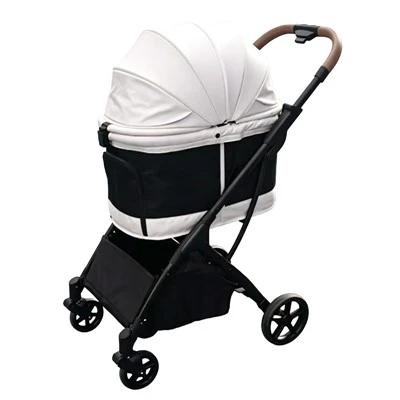
At the end of the day, the best lightweight outdoor stroller for hiking is the one that balances weight, durability, trail capability, and user-friendliness—no compromises. The TrailRover Light checks all those boxes, and we’ve had so many happy customers come back for second ones, or refer their hiking friends to us. If you’re ready to find the right stroller for your trail adventures, or if you’re a business looking to partner with a reliable outdoor baby strollers supplier, reach out. We’re here to answer all your questions, share more test stories, and help you get exactly what you need so you can focus on making memories on the trails with your little one, not stressing about your stroller.
Pet Supplies References:
- American Academy of Pediatrics. (2022). Safe Equipment for Active Outdoor Families. Pediatrics, 150(3), e2022057892.
- Outdoor Industry Association. (2023). Baby Gear Trends: Hiking Stroller Usage and Features. Outdoor Recreation Economy Report.
- Consumer Product Safety Commission. (2021). Safety Guidelines for Lightweight Strollers for Hiking. CPSC Technical Report on Infant and Toddler Mobility Equipment.
- Trail Running Magazine. (2022). Gear Test: Lightweight Hiking Strollers for Family Adventures. Annual Outdoor Gear Guide.
- Gear Lab. (2023). Best Hiking Strollers of the Year: Weight, Durability, and Performance Reviews. Independent Outdoor Gear Testing Report.
Zhongshan Jingao Trading Co., Ltd.
We are one of the most professional outdoor baby strollers manufacturers and suppliers in China, featured by quality products and good service. Please rest assured to wholesale bulk outdoor baby strollers in stock here and get free sample from our factory. Customized orders are welcome.
Address: Caosan Zhuwei Industrial Zone, Guzhen Town, Zhongshan City, Guangdong Province
E-mail: kingloek@qq.com
WebSite: https://www.wellbestvip.com/
