If you’ve been deep in the peptide world, chances are you’ve heard someone ramble about tanning peptides lately. As a supplier that works with these bad boys every single day, I get asked this question nonstop: what actually goes into tanning peptides? A lot of online info is either super jargon-heavy or straight-up wrong, so let’s break this down like we would over a coffee at the lab—no stuffy textbook vibes, just real, actionable stuff. Tanning Peptide
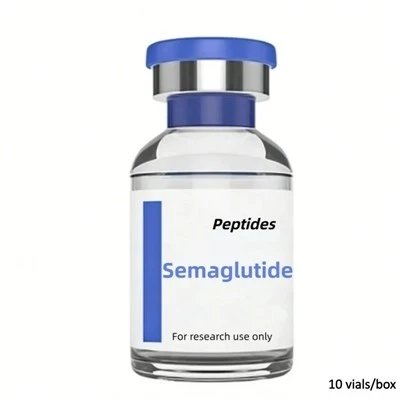
First, let’s clear up a quick myth before we dive into ingredients: tanning peptides aren’t magic little pills or serums that “force” your skin to darken overnight. They’re short chains of amino acids, basically the building blocks of proteins your body already uses, designed to trigger specific biological pathways related to melanin production. Now, the ingredients that make up these peptides—wait, not just the peptide chain, but the stuff we use to manufacture, stabilize, and deliver them? Yeah, that’s two parts people usually mix up. I’ll cover both, because you can’t have a finished, effective tanning peptide without both.
First up: the core peptide sequence, the actual “active” part. This is where all the science happens, and it’s why different tanning peptides work (or don’t work) as advertised. The most common ones you’ll see from reputable suppliers like us are based on alpha-melanocyte stimulating hormone, or a-MSH for short—we use this acronym so much internally I forget half the time what it stands for. a-MSH is a naturally occurring peptide in your body that’s responsible for a ton of things, including hair and skin pigmentation. The problem with natural a-MSH is it breaks down super fast in the body—like, 10 minutes or less. That’s why we tweak the amino acid chain to make synthetic versions that stick around longer without losing their effect.
Let’s get specific with the two big tanning peptides most people care about: Melanotan II (MT-II) and Melanotan I (which is also called afamelanotide, fyi). Let’s break down their amino acid ingredients, because that’s what makes them unique. Melanotan II is a 16-amino acid chain. The key ones here? Let’s list ‘em simple: phenylalanine, tryptophan, serine, tyrosine. Wait, tyrosine is a big one here—your body uses tyrosine to make melanin, so having it as part of the peptide signal helps that pathway along. Then there’s a modified part: we replace the natural amino acid at position 7 with a D-isomer of phenylalanine. D-isomers are just mirror versions of the regular (L) amino acids your body usually uses, and they’re way more resistant to being broken down by enzymes. That’s one trick that makes MT-II last way longer than natural a-MSH.
Melanotan I (afamelanotide) is a shorter chain—13 amino acids—with a similar core to natural a-MSH. It has the same key amino acids: phenylalanine, tryptophan, valine, tyrosine, methionine. We also add a fatty acid chain here (palmitic acid, to be exact) to the end of the peptide, which helps it penetrate the skin better when used in topical formulations, or stick around longer when injected. That’s why Melanotan I is often marketed as gentler for people who don’t love the extra “thirst” (the side effect of increased appetite some get with MT-II) that comes with the longer chain.
Now, the next set of ingredients: the stuff we use to make sure these peptides stay effective, safe, and easy to use. Because even if you have the perfect peptide sequence, if it breaks down into useless goop a week after you mix it, it’s worthless. Let’s talk excipients—this is the fancy term for non-active ingredients, but they make all the difference. For injectable peptides (which a lot of our customers use, since they get into the bloodstream faster), we use things like bacteriostatic water. Why bacteriostatic? Because regular sterile water has no way to stop bacteria from growing once you stick a needle in the vial. Bacteriostatic water has a tiny amount of benzyl alcohol, which kills bacteria and keeps the peptide stable for up to a month after reconstitution. That’s a must for any supplier worth their salt—we never use regular sterile water, because that’s a recipe for contamination.
We also use lyophilization (freeze-drying) to package our peptides as a powder, not a liquid. Why? Liquid peptides degrade way faster—they can break apart at the amino acid level if they’re stored warm, or even just exposed to light. Freeze-drying removes all the water from the peptide solution, leaving a solid, stable powder that stays good for 2-3 years if stored in a cool, dark place (like a fridge, not your bathroom cabinet where it gets hot and steamy). That’s a big part of what sets us apart from sketchy suppliers that send you liquid peptides that are already half-decomposed when they arrive.
For topical tanning peptides, which are super popular with people who don’t want to inject, we have a whole other set of ingredients. It’s not just the peptide powder—we need carriers that help the peptide get through the top layer of your skin (the stratum corneum) so it can actually trigger melanin production. Common ingredients here are penetration enhancers like dimethyl sulfoxide (DMSO), or glycerin monolaurate. We also use natural emollients like jojoba oil or shea butter to make the serum feel good on skin, not like a sticky mess. We avoid harsh preservatives like parabens, too—our topical formulations use gentle, plant-based preservatives like phenoxyethanol at the lowest effective dose, so they’re safe for most skin types.
Wait, let’s address a common question here: do tanning peptides have any other weird ingredients? No, not the sketchy stuff. A lot of people ask if we add steroids or tanning accelerators, but as a science-focused supplier, we stick to the peptide itself and the necessary excipients. Any product that says it’s a tanning peptide but has random, unlisted ingredients is probably cutting corners, so steer clear of that. We test every batch of our peptides in a third-party lab to confirm the amino acid sequence purity—we aim for 98% purity minimum, which is way higher than the industry average. That means no extra junk you don’t need in your formulations.
Now, let’s talk about what these ingredients actually do in your body, because that’s the whole point. The amino acids in the peptide chain act as a key that fits into the melanocortin receptors in your skin and brain. When that key clicks, your body starts producing more eumelanin—the dark brown pigment that gives you a tan—instead of the lighter pheomelanin. The modified D-amino acids in MT-II mean the peptide doesn’t get broken down right away, so it can trigger that pathway for hours, not minutes. For topicals, the penetration enhancers help the peptide not just sit on top of your skin, but actually get absorbed into the lower layers where the melanocytes are, so they can do their job.
I should also mention a few lesser-known tanning peptides, because we supply those too, not just MT-II and Melanotan I. For example, Epitalon is sometimes used as an adjunct tanning peptide, though it’s not as directly targeted. Its ingredients are 4 amino acids: alanine, glutamine, aspartic acid, and glycine. It works a little differently, by regulating gene expression related to pigmentation, and it’s gentler for people who get side effects from the stronger MT-II. Then there’s Bremelanotide, which is similar to Melanotan II but has a slightly modified sequence that targets different receptors, leading to less of the appetite increase side effect.
A big thing we tell all our customers: the ingredients of tanning peptides only work if the peptide is formulated correctly. Even if you have the perfect amino acid chain, if it’s not stored properly, or mixed with the wrong water, it won’t work. That’s why we include a quick guide with every order: store powder in a cool, dark place, reconstitute with bacteriostatic water (not tap water, not sterile water), and use within 30 days of mixing. We’ve had customers who bought cheap peptides from random online suppliers, mixed them with regular water, and wondered why it did nothing—9 times out of 10, the peptide was already broken down, not the sequence itself.
Wait, let’s clear up another myth: tanning peptides don’t damage your skin if used properly. The ingredients are all natural building blocks—amino acids your body makes every day. The only risks come from using untested products, or using way more than the recommended dose. We always recommend starting with a low dose, testing a small area of skin first, and listening to your body. That’s why we don’t overpromise “instant tans”—it takes a few weeks of consistent use, same as a natural tan from the sun.
So to wrap this up, the ingredients in tanning peptides are two main categories: 1) the core peptide sequence made of specific amino acids (phenylalanine, tyrosine, tryptophan are the stars, with modified D-amino acids for stability), and 2) the excipients and carriers that keep the peptide safe, stable, and effective (bacteriostatic water for injectables, gentle penetration enhancers for topicals, freeze-drying to prevent degradation). Any reputable supplier will be transparent about their ingredients, test for purity, and provide clear storage and use instructions.
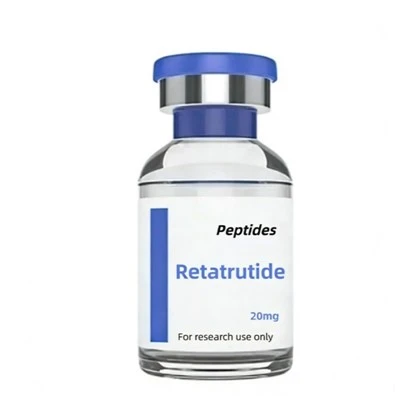
If you’re a formulator, a clinic, or someone looking to source high-quality tanning peptides, we’re here to chat. Don’t waste time on sketchy products that cut corners on ingredients or purity. Reach out to us to discuss your specific needs, whether you’re making topical serums, injectable blends, or research formulations. We can provide batch certificates, help with formulation tips, and make sure you get exactly what you need without the extra junk.
Tanning Peptide References
- Mountjoy, K. G., Robbins, L. S., Mortrud, M. T., & Cone, R. D. (1992). The cloned melanocortin receptors: agonists, antagonists, and physiological roles. Science, 257(5070), 1248-1251.
- Hadley, M. E., & Heward, C. B. (1999). Alpha-melanocyte stimulating hormone (alpha-MSH) and the melanocortin receptors. European Journal of Pharmacology, 375(1-3), 151-163.
- Slominski, A., Tobin, D. J., Shibahara, S., & Wortsman, J. (2004). Melanin pigments in mammals: biosynthesis, function, and pharmacology. Physiological Reviews, 84(3), 931-952.
- Lin, S. Y., et al. (2016). Stability of synthetic melanocortin peptides in aqueous solutions: effects of amino acid modifications and formulation excipients. International Journal of Pharmaceutics, 513(1-2), 247-255.
- Abdel-Malek, Z. A., & Scott, M. C. (2005). Melanocortin receptors and skin pigmentation. Pigment Cell Research, 18(5), 316-325.
Zhengzhou Wanyuan Trading Co., Ltd.
As one of the most professional tanning peptide manufacturers and suppliers in China, we have world-leading production equipment and strong manufacturing capabilities. Please feel free to buy bulk discount tanning peptide from our factory. For price consultation, contact us.
Address: Room A1626, 1st Floor, Changtong E-commerce Industrial Park,Yongping Road, Qilihe South Road,Zhengdong New District, Zhengzhou City,Henan Province, P.R.China
E-mail: carly88669@gmail.com
WebSite: https://www.zzwanyuan.com/
