If you’ve ever worked with thermoplastic materials for manufacturing, chances are you’ve come across TPU (Thermoplastic Polyurethane Elastomer) – that stretchy, durable stuff used in phone cases, shoe soles, medical tubing, and even some automotive parts. As a TPU supplier, I get this question all the time: “Is TPU easy to mold?” The short answer isn’t a flat “yes” or “no” – it depends on a bunch of factors, and that’s exactly what I want to break down for you today, straight from the side of someone who’s spent years working with this material, not just reading about it in textbooks. TPU – Thermoplastic Polyurethane Elastomer

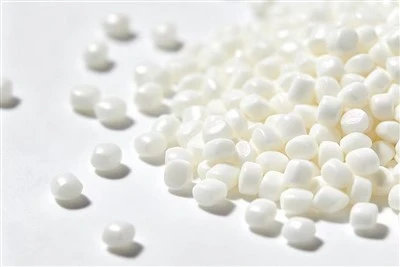
First, let’s set a quick baseline: TPU is a thermoplastic, meaning it softens when heated and hardens again when cooled – no curing needed, unlike silicone or rubber. That’s already a big plus for molders, because it skips extra steps that can slow production down. But how easy it is to mold depends on what grade of TPU you’re using, your mold design, and your processing equipment. Let’s start with the grades, because that’s where most people go wrong. I’ve got a warehouse full of TPU pellets, and not all of them are created equal. There’s soft TPU (like the kind for flexible phone cases, with a Shore hardness around 30A) and hard TPU (think 90A to 85D, used for things like ski bindings or durable gears). Soft TPU is way easier to mold than hard TPU? Wait, no – wait, let me correct that. Actually, it’s the other side of the coin: soft TPU can be trickier because it’s more prone to sticking to molds, while hard TPU flows better. Wait, no, let’s get that right. Let’s say Shore A hardness is the scale for soft materials. Lower Shore A numbers mean softer. So a 30A TPU is super stretchy, almost rubbery, while an 85D TPU is as hard as some plastics. For injection molding (the most common way to make TPU parts), flow rate is key. Harder TPU grades (higher Shore D) have better flow properties when melted, so they fill mold cavities faster and more evenly. That makes them easier to mold for beginners or shops with basic equipment. Soft TPU, though, has a higher melt viscosity – it’s thicker when molten – so it needs higher injection pressure and temperature to fill small or detailed molds. That’s a learning curve, but once you adjust your settings, it’s totally doable. I’ve seen new molding shops nail a 40A TPU phone case on their first run, but it took tweaking temperature by 10 degrees and upping pressure by 15%, not just cranking it on default settings.
Next up: mold design. Even the best TPU grade won’t mold right if your mold is designed wrong. A lot of first-time molders think TPU is like ABS or polypropylene, so they use the same gate size and draft angles. That’s a mistake. TPU, especially soft grades, has a lot of shrinkage? Wait, no – wait, thermoplastic shrinkage is different. TPU’s shrinkage is lower than, say, polyethylene, but it’s dependent on hardness. Soft TPU has a shrinkage rate around 1-2%, while hard TPU is around 0.5-1.5%. That’s a small number, but if your mold cavity is cut for a different material, your TPU part will be off size. Also, draft angles – TPU is flexible, so if your mold doesn’t have enough draft (the slant that lets parts slide out), you’ll get parts sticking, especially soft TPU. I always recommend a minimum of 1 degree of draft for TPU molds, no matter the hardness. Gates are another big one. For TPU, you can’t use a tiny pinpoint gate like you would for a hard plastic. TPU is viscous, so a too-small gate will freeze off before the mold is full, leading to short shots. For most TPU parts, I suggest a gate size of at least 2-3mm, depending on part thickness. For thin, detailed parts, you might need a fan gate instead of a pinpoint to make sure the material flows evenly. I’ve had customers come to me with a batch of bad TPU parts, and 9 times out of 10, it’s not the TPU – it’s a bad mold design. That’s why as a supplier, I don’t just sell pellets; I’ll often give basic mold tips to new customers, because if their mold is wrong, even the best TPU won’t work.
Processing equipment and settings: this is where a lot of people mess up TPU, because they use the same settings as other thermoplastics. TPU needs to be dried before molding, that’s non-negotiable. If TPU pellets have even a little moisture (like 0.02% or more), when you heat them, that moisture turns to steam, causing bubbles, splay marks, or even weak parts. That’s a super common mistake, especially for small shops that cut corners on drying. I always tell customers to use a desiccant dryer for 2-4 hours at 80-90C before molding – no exceptions. As for barrel temperatures: TPU’s melt temperature ranges from around 160C for soft grades up to 220C for hard grades. If you go too hot, you’ll degrade the TPU, leading to yellowing, brittleness, or even parts that smell burnt. If you go too cold, the material won’t melt evenly, leading to flow issues. Injection speed is another one. For soft TPU, you want a medium speed – too fast, and you’ll get air traps; too slow, and the material cools before filling the mold. For hard TPU, you can go a bit faster, because it flows better. Cooling time is important too. TPU takes a bit longer to cool than some rigid plastics, especially thick parts. If you eject a part too soon, it’ll warp or deform, especially soft TPU. I usually suggest 10-30 seconds of cooling time, depending on part thickness – for a 2mm thick shoe sole, 15 seconds is enough, but for a 5mm thick automotive seal, you’ll need 30+.
Wait, so is it easy to mold? Let’s wrap this up. It’s not as easy as molding something like polypropylene, but it’s way easier than molding liquid silicone or other elastomers. The biggest barrier is learning the specific requirements for TPU, not just using old settings. Once you get the hang of drying, adjusting temperatures, and tweaking your mold, it’s totally manageable. And the payoff is big: TPU parts are durable, flexible, resistant to oil and abrasion, so they hold up way better than many other plastics.
Now, I should also mention some common myths I hear. Some people say TPU is too sticky, but that’s only for soft grades – hard TPU releases from molds fine. Others say it’s prone to shrinkage, but if you account for the right shrink rate in your mold, that’s not an issue. I’ve been in this business for 12 years, and I’ve seen small shops with simple injection molding machines mold high-quality TPU parts without fancy equipment. The key is starting with the right TPU grade for your part, then adjusting your process to match, not the other way around.
If you’re new to molding TPU, don’t be intimidated. Reach out, and I can help you pick the right grade, or even send a quick guide with basic settings for common parts. We work with everyone from startups making phone cases to big manufacturers making medical devices, so we know how to match TPU to your project.
If you have questions about what TPU grade works for your application, or need help troubleshooting a molding issue, don’t hesitate to connect with our team to discuss your requirements. We’re here to make sure your TPU projects go smoothly, no matter your experience level.
TPV– Thermoplastic Vulcanizate References:
- "Thermoplastic Polyurethane (TPU) Properties and Processing." Plastics Technology, 2022.
- Mckenna, K. "Molding TPU: Key Considerations for Successful Part Production." Injection Molding Magazine, 2021.
- ASTM D5339-19, Standard Practice for Preparation of Test Specimens for Thermoplastic Polyurethane Elastomers, ASTM International, 2019.
Kunshan Kesun Polymer Co., Ltd.
Kunshan Kesun Polymer Co., Ltd. is one of the most professional TPU manufacturers and suppliers in China, featured by quality products and low price. Please feel free to wholesale bulk eco-friendly TPU from our factory. Contact us for customized service and free sample.
Address: No.108, Jinmao Road, Zhoushi Town, KunShan, Jiangsu, China
E-mail: melody_yang@kesuntpe.com
WebSite: https://www.kesun-tpe.net/
