Hey there! I’m a supplier of pesticide intermediates, and today I wanna chat about the production techniques for environmentally – friendly pesticide intermediates. Pesticide Intermediates
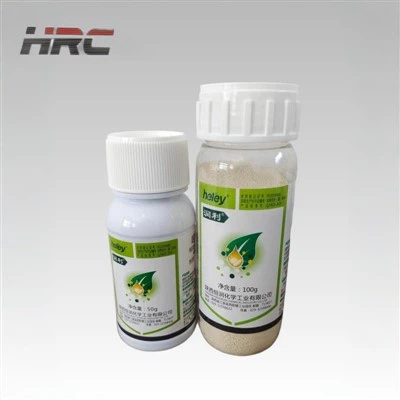
First off, let’s understand why we’re focusing on environmentally – friendly stuff. With the growing awareness of environmental protection, the demand for green pesticides is sky – rocketing. And pesticide intermediates are the building blocks of pesticides. So, using eco – friendly production techniques for these intermediates is crucial for making sustainable pesticides.
Biocatalysis
One of the most promising production techniques is biocatalysis. Biocatalysis uses enzymes or whole cells as catalysts to carry out chemical reactions. It’s like having tiny biological factories working for us.
Enzymes are highly specific. They can selectively catalyze a particular reaction under mild conditions, which means we don’t need high temperatures or harsh chemicals. For example, lipases can be used to synthesize esters, which are important pesticide intermediates. These enzymes work at relatively low temperatures and in aqueous solutions, reducing energy consumption and waste generation.
Whole – cell biocatalysis is also a great option. Microorganisms like bacteria and yeast can be engineered to produce specific pesticide intermediates. They can grow on cheap and renewable substrates, such as glucose or agricultural waste. This not only reduces the cost of production but also makes the process more sustainable. For instance, some bacteria can convert simple organic compounds into complex intermediates through a series of metabolic pathways.
Green Solvents
Another key aspect is the use of green solvents. Traditional solvents like benzene and toluene are toxic and have a negative impact on the environment. Green solvents, on the other hand, are much friendlier.
One popular green solvent is supercritical carbon dioxide (scCO₂). It’s non – toxic, non – flammable, and can be easily recycled. In the production of pesticide intermediates, scCO₂ can be used as a reaction medium. It has unique properties that allow for better solubility of reactants and products, and it can also enhance the reaction rate. For example, in some esterification reactions, scCO₂ can replace traditional organic solvents, reducing the environmental footprint.
Ionic liquids are also emerging as green solvents. They have low volatility, high thermal stability, and can dissolve a wide range of substances. These properties make them suitable for various chemical reactions involved in the production of pesticide intermediates. They can also be designed to have specific properties for different reactions, which gives us more control over the process.
Renewable Feedstocks
Using renewable feedstocks is a game – changer in the production of environmentally – friendly pesticide intermediates. Instead of relying on fossil fuels, we can use biomass.
Agricultural waste, such as straw, corn stover, and sugarcane bagasse, can be used as raw materials. These materials are rich in cellulose, hemicellulose, and lignin, which can be converted into valuable chemical compounds. For example, cellulose can be hydrolyzed into glucose, which can then be used as a starting material for the synthesis of pesticide intermediates.
Microalgae are another promising renewable feedstock. They can grow rapidly and accumulate high amounts of lipids, proteins, and carbohydrates. These components can be extracted and used to produce various pesticide intermediates. Microalgae can also be grown in wastewater, which not only provides a source of feedstock but also helps in wastewater treatment.
Continuous Flow Chemistry
Continuous flow chemistry is a modern production technique that offers many advantages for the production of pesticide intermediates. In a continuous flow system, reactants are continuously fed into a reactor, and products are continuously removed.
This technique allows for better control of reaction conditions, such as temperature, pressure, and residence time. It also reduces the risk of side reactions and improves the selectivity of the reaction. For example, in the synthesis of some pesticide intermediates, continuous flow chemistry can ensure a more consistent product quality.
Moreover, continuous flow systems are more energy – efficient than batch processes. They require less energy for heating and cooling, and they can be easily scaled up for large – scale production. This makes them a great option for producing environmentally – friendly pesticide intermediates in an efficient and sustainable way.
Waste Minimization and Recycling
In the production of pesticide intermediates, waste minimization and recycling are essential. We need to make sure that we’re not generating a lot of waste during the production process.
One way to minimize waste is to optimize the reaction conditions. By using the right catalysts and reaction parameters, we can increase the yield of the desired product and reduce the formation of by – products. For example, in some oxidation reactions, using a selective catalyst can prevent the formation of unwanted side products.
Recycling is also important. We can recycle solvents, catalysts, and other materials used in the production process. For example, spent solvents can be recovered and purified for reuse. This not only reduces the cost of production but also reduces the environmental impact.
Challenges and Future Outlook
Of course, there are challenges in the production of environmentally – friendly pesticide intermediates. One of the main challenges is the high cost of some of these production techniques. For example, biocatalysis often requires expensive enzymes or genetically engineered microorganisms. And the use of green solvents and renewable feedstocks may also increase the initial investment.
However, as the demand for environmentally – friendly pesticides continues to grow, the cost is likely to come down. With more research and development, we can find more cost – effective ways to produce these intermediates.
In the future, we can expect to see more innovation in this field. New production techniques will be developed, and existing techniques will be further optimized. For example, we may see the development of more efficient biocatalysts and the use of new renewable feedstocks.

If you’re in the market for high – quality, environmentally – friendly pesticide intermediates, I’d love to have a chat with you. Whether you’re a pesticide manufacturer or a distributor, I can provide you with the products you need. Just reach out, and we can start a discussion about your requirements and how we can work together.
Technical Concentrate References
- "Green Chemistry: Principles and Practice" by Paul T. Anastas and John C. Warner
- "Biocatalysis in Organic Synthesis" by K. Drauz and H. Waldmann
- "Continuous Flow Chemistry: From Principles to Applications" by P. H. Seeberger and S. Brase
Shaanxi Hengrun Linong Biotechnology Co., Ltd.
We’re well-known as one of the leading pesticide intermediates manufacturers and suppliers in China, featured by quality products and low price. Please rest assured to buy discount pesticide intermediates from our factory. Welcome to view our website for more information.
Address:
E-mail: sales@hengrunagro.com
WebSite: https://www.hengrunagro.com/
