Hey there, it’s Jake from [Your Brand Name] Paper Bags—you know, the guy who’s been in the paper bag game for over 10 years, fielding calls every single day from cafés, grocery stores, food trucks, and even small bakeshops asking the same question: Are paper bags actually safe for food? I get it, there’s so much conflicting info online lately—some TikTok hack saying paper leaches chemicals, a neighbor swearing plastic’s the only way, and let’s be real, it’s confusing AF when you’re trying to pick packaging that doesn’t mess with your customers or your bottom line. Today I’m breaking this down like I do for my regulars—no jargon, just the straight science we’ve learned testing thousands of bags for food use over the years. Paper Bags

First, let’s get one thing straight: not all paper bags are created equal. If you grab a random cheap paper bag from the dollar store meant for packing party favors, that’s totally different from a food-grade paper bag we make for sandwich shops or coffee roasters. The big difference? The processing and materials that go into making them. Let’s start with the most common fear I hear: chemicals leaching into food. I can’t tell you how many times a café owner texted me last month panicking about “forever chemicals” or “toxic coatings” in paper bags. Let’s debunk that right now.
When paper is made, the natural raw material is wood pulp, right? But to make it strong, smooth, and water-resistant enough for food, sometimes manufacturers use coatings—waxes, resins, or even newer plant-based stuff like PLA. Here’s the key point: food-grade coatings are regulated heavily by groups like the FDA in the US, EFSA in the EU, and other global food safety bodies. Those agencies test every single component to make sure they don’t transfer harmful levels of stuff to food, whether it’s a hot burrito, a cold salad, or a greasy french fry. I remember a few years back, we switched one of our popular sandwich bag lines from a petroleum-based wax coating to a plant-based one because we noticed more customers asking about sustainable options, and we worked with a third-party lab to get it certified food-safe before we even listed it. No shortcuts, no cutting corners—because if a bag isn’t food-safe, it’s useless to us, and useless to our clients.
Wait, but what about those uncoated paper bags? Like the brown lunch bags you used in elementary school? Those are totally safe for dry foods, right? I still use them for packing my homemade nuts or cookies to take to friends’ houses, and nothing bad’s ever happened. The problem is when people try to use uncoated paper for things it’s not designed for—like holding a hot soup, or a greasy burger. Paper is porous, so it’ll absorb moisture and grease pretty quickly. That’s where the confusion comes in: people see a flimsy, soaked paper bag and assume all paper bags are unsafe, not that they picked the wrong bag for the job. We always tell our clients to match the bag to the food: uncoated for dry stuff (popcorn, granola bars), coated for wet or greasy items, and greaseproof paper for fries or chicken wings.
Another big question: what about recycled paper bags? I get this one a lot, especially from eco-focused clients. A few years back, there was a scare that recycled paper has traces of old ink or chemicals from the recycling process that could transfer to food. Let’s set the record straight here too. Reputable paper bag manufacturers like us process recycled pulp through a de-inking step that’s way more rigorous than most people think. We run our recycled paper pulp through multiple wash cycles, filter out any ink, adhesives, or tiny bits of plastic, and test every batch to make sure contaminants are below the safety limit. In fact, the FDA and EFSA both approve food-safe recycled paper packaging as long as it meets those strict standards. I’ve had a local bakery using our recycled greaseproof bags for their croissants for 3 years, and they’ve never had a single food safety issue reported. The only time recycled paper might not be food-safe is if you buy super cheap unbranded recycled bags from a supplier that cuts corners on de-inking and testing.
Now, let’s compare paper to the other big packaging option out there: plastic. I’m not here to bash plastic, because it has its uses, but the safety difference is actually pretty clear. We all know plastic can leach chemicals, especially when heated—you’ve heard about BPA and phthalates, right? Those are hormone-disrupting chemicals that some plastics release into food, especially when the plastic gets hot (like a takeout container left in a car on a summer day). Paper, on the other hand, doesn’t have those synthetic additives unless you add them on purpose for coatings, which are regulated. But wait—what about when paper gets wet? Oh, right, that’s why we use coatings. A coated paper bag will hold up better than a thin plastic bag in many cases, and it’s fully compostable or recyclable after use, which is a bonus for most customers these days.
But here’s the thing that’s not just about science—it’s about real-world use. I’ve worked with hundreds of food business owners, from small food trucks to national grocery chains, and the number one complaint I hear about paper bags isn’t safety—it’s durability. That’s why we spend so much time testing our bags: we put 10 lbs of groceries in a single bag and drop it from 3 feet to make sure it doesn’t tear, we test how long it holds hot coffee (190°F, for the coffee snobs) without the coating melting, and we test grease resistance with fry oil at 350°F, which is way hotter than most restaurants use. Last year, a taco shop client of ours told me their old bags were tearing after they loaded 3 tacos, rice, beans, and a soda, so we switched them to our heavy-duty coated paper bags, and they haven’t had a single complaint. That’s the stuff that matters more than any lab test—real people using our bags for real food, and not having issues.
I also want to address a recent myth I saw floating around social media: that paper bags can be a breeding ground for bacteria, like E. coli or salmonella. Let’s get this straight: any porous material can hold bacteria if it’s not stored or used properly, whether it’s paper, plastic, or even a ceramic plate. The key is how you store your packaging. If you leave paper bags sitting on a dirty floor or in a damp garage, yeah, they might get contaminated. But if you store them in a cool, dry, clean place (like a back room at a café, or a pantry in your kitchen), they’re just as safe as any other food packaging. We actually recommend our clients keep their paper bags in a closed container, not piled on a counter where dust or crumbs can get on them, and that’s the same rule we follow for our own testing.
Wait, but what about the environment and safety? A lot of people mix those two up, like if paper is better for the planet, it must be less safe, or vice versa. That’s not true. We’ve been making our paper bags with FSC-certified pulp for over 5 years, which means the wood comes from responsibly managed forests, and we use 100% solar power at our production facility to cut down on our carbon footprint. That doesn’t mean we skimp on safety—we still do third-party tests every 6 months to confirm all our bags meet global food safety standards. It’s possible to have sustainable packaging that’s also safe, you just have to work with a supplier that prioritizes both.
I know a lot of you are thinking about switching from plastic to paper, or trying a new paper bag supplier, so here’s my honest advice: don’t just buy the cheapest paper bag you can find. Ask your supplier for proof of food certification—look for FDA 21 CFR, EFSA, or BRC certification (those are the big ones). Ask what kind of coatings they use, and if they can provide test results showing no harmful leaching. For example, if you’re a coffee shop, ask for hot cup testing results, because paper cups are a type of paper bag (we make those too, FWIW). If you’re a grocery store, ask about grease resistance for meat and produce bags. A good supplier will have all that info ready to send you, no questions asked.
Let me wrap this up with a quick recap, because I know I covered a lot: Paper bags are safe for food when they’re food-grade, processed correctly, and matched to the type of food you’re packing. Uncoated paper is great for dry foods, coated paper is perfect for wet, greasy, or hot items. Reputable suppliers do rigorous testing, use regulated coatings, and don’t cut corners on de-inking for recycled paper. The myths about paper leaching chemicals or being unsafe for food come from using the wrong bag for the job, or buying untested, cheap bags from sketchy suppliers.
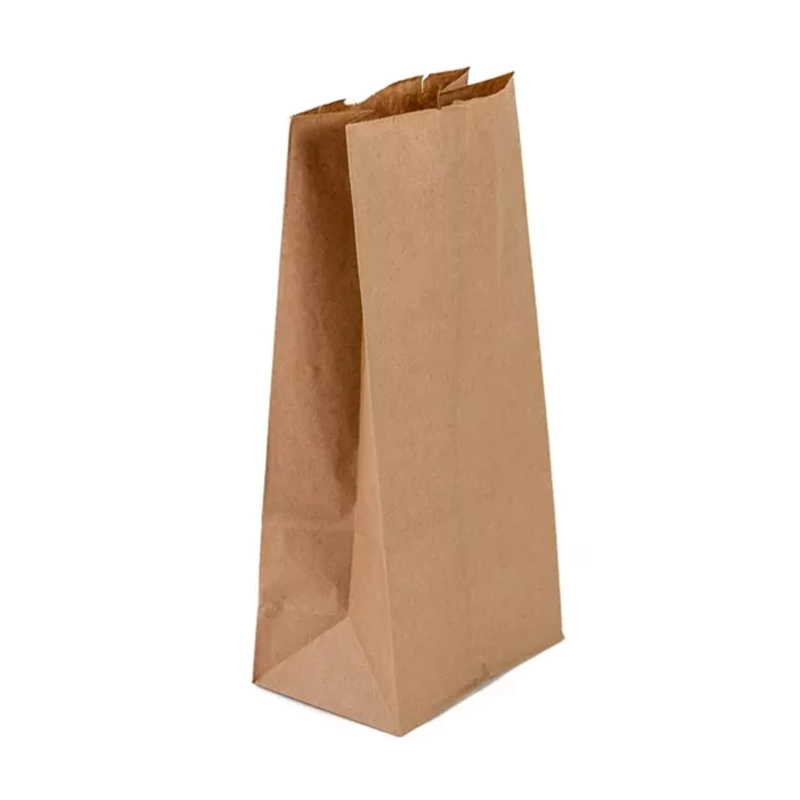
If you’re a food business owner, a café manager, or even someone just looking for safe packaging for your home baking, and you want to chat about the right paper bag for your needs—hit me up. I don’t do pushy sales pitches, I just give straight advice based on 10 years of testing hundreds of thousands of bags for food use. Whether you need 500 custom-printed takeout bags for your new restaurant or 10,000 bulk coffee bags for a local roaster, I’m here to help you find something that’s safe, durable, and fits your brand.
Plastic Film References: U.S. Food and Drug Administration, 21 CFR Part 176 (Indirect Food Additives: Paper and Paperboard); European Food Safety Authority, Scientific Opinion on the Safety of Paper and Paperboard in Contact with Food; TAPPI Test Methods for Grease Resistance of Paper and Paperboard; Forest Stewardship Council (FSC) Chain of Custody Certification Standards for Paper Packaging.
Junteng Packaging Co., Ltd.
As one of the most professional paper bags manufacturers and suppliers in China, we’re featured by quality products and good service. Please rest assured to wholesale bulk premium paper bags made in China here from our factory. We also accept customized orders.
Address: No.1 Huamao Road, Shuanggang Town, Tongcheng City, Anqing City, Anhui Province
E-mail: juntengpack2020@outlook.com
WebSite: https://www.juntengpackage.com/
