If you’ve ever worked with viscose denim—whether as a designer, small-batch boutique owner, or a home sewer testing a new fabric for a seasonal line—this question has probably crossed your mind at least once. As a supplier who’s worked with this fabric for 12 years, I get it: viscose denim has that cozy, sturdy look of traditional cotton denim, but its performance under heat feels totally different. I’ve had customers panic last-minute before a photoshoot because they thought their brand-new viscose denim jacket would shrink to fit a teddy bear if they ran a quick iron over a wrinkle. I’ve also talked to sewers who swore they ruined a custom pair of viscose jeans by cranking the iron to the same setting they use for 100% cotton. So today, let’s cut through the confusion, get into the science of why viscose denim behaves the way it does, and give you the straight answer you need—no guesswork, no old wives’ tales. Viscose Denim
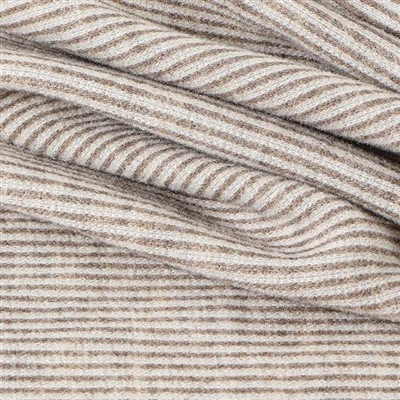
First, let’s start with the basics: what exactly is viscose denim, anyway? A lot of people assume it’s just “cotton denim with a little extra viscose,” but that’s not the full picture. Most of the viscose denim we supply is a blend: typically 55-70% viscose, with the remaining portion being cotton, a tiny bit of spandex (for stretch styles), or sometimes polyester for extra durability. The key here is the viscose fiber itself. Viscose is a regenerated cellulose fiber—made from wood pulp, usually pine or eucalyptus—so it has a completely different molecular structure than cotton. Cotton’s molecules are tightly packed with hydrogen bonds that hold their shape well when wet or heated. Viscose, on the other hand, has a much looser, more porous molecular structure. That’s why it feels softer, drapes better, and has that subtle, luxurious sheen that sets it apart from plain cotton denim—but it’s also why it’s more sensitive to heat and moisture.
Now, let’s get to the big question: can you iron viscose denim? The short answer is yes, but only if you follow specific, non-negotiable rules. Ironing it wrong isn’t just about a little wrinkle—it can lead to permanent shrinkage, shiny spots (those dreaded “iron glares” that ruin the uniform, rough look of denim), or even melted fibers if you use too much heat. Let’s break down the “how” and “why” of proper ironing, because there’s a right way and a very wrong way to do this.
First, heat setting is non-negotiable. Viscose is a fiber that breaks down at temperatures above 320°F (160°C). Most home irons have a cotton setting that hits around 400°F (200°C)—that’s way too hot for viscose. For viscose denim, the only acceptable heat setting is the synthetic or low-heat setting, which tops out at around 280-300°F (140-150°C). I can’t tell you how many times I’ve had a customer send me a photo of a ruined denim piece and trace it back to someone cranking the iron to cotton setting “because denim is sturdy.” It’s not. The cotton in the blend can handle that heat, but the viscose can’t. Even a few seconds on the wrong setting will leave a shiny, stiff spot that you can’t fix.
Next, moisture is your best friend here. Viscose fibers swell when they absorb moisture, which makes them more flexible and less likely to get damaged under heat. But you don’t want to douse your viscose denim with water—too much moisture can cause water marks, especially on dark or indigo-dyed fabrics. The best method is to use a press cloth. A thin, clean cotton or muslin cloth laid directly over the area you’re ironing acts as a buffer, letting just the right amount of steam (not standing water) reach the fibers. I always recommend misting the press cloth lightly with a spray bottle filled with distilled water—tap water has minerals that can leave spots on denim, especially over time. Never use the steam setting directly on the viscose denim; the concentrated steam can cause uneven shrinkage or flatten the denim’s textured weave.
Then there’s the direction of the iron. Denim has a distinct woven structure, usually a twill weave that runs from top to bottom on the right side of the fabric. For viscose denim, you always iron on the wrong side (the back) first, moving with the grain of the weave, not against it. Ironing against the grain can stretch the fibers permanently, especially since viscose has less tensile strength than cotton. If you need to touch up the right side, do it only after the wrong side is fully pressed, and use the press cloth here too—never iron directly on the right side of viscose denim. I learned this the hard way early in my career: I sent a batch of samples to a small apparel brand that ironed the right side of their viscose denim shorts on high heat, and they came back with three pieces that had shiny, white streaks that couldn’t be buffed out. That mistake taught me to include a detailed ironing guide with every bulk order I ship—no exceptions.
Now, what about common myths that surround viscose denim ironing? Let’s tackle the two biggest ones. First: “Viscose denim can’t be ironed at all, so you have to hang it and hope wrinkles fall out.” While it’s true that viscose is more prone to wrinkling than cotton denim (its loose fibers shift more easily), hanging it immediately after washing helps— but it rarely eliminates all wrinkles, especially around seams or pocket edges. Another myth: “Dry cleaning is the only safe option for viscose denim.” Dry cleaning uses chemical solvents, not heat or water, but those solvents can break down the viscose’s color over time, especially indigo dyes. I always tell my customers that proper ironing at home is safer than dry cleaning for preserving the fabric’s look, as long as you follow the rules.
Another key point to consider: shrinkage. Viscose denim has a higher shrinkage rate than 100% cotton denim—usually around 5-7% for unwashed fabric, compared to 2-3% for cotton. That’s why pre-washing and pre-shrinking the fabric before cutting and sewing is non-negotiable for apparel brands that use viscose denim. We pre-wash all our bulk viscose denim rolls before shipping to our clients, which cuts shrinkage down to less than 2%—but even then, you’ll still need to iron the final piece after washing, because viscose retains wrinkles more than cotton. If you skip pre-shrinking, ironing after construction won’t fix shrinkage that happens during the first wash, and you’ll end up with items that are too small for their intended size.
Wait, what about stretch viscose denim, the popular blend with 2-5% spandex? That’s an even more common product we supply, and it has its own ironing rules. Spandex breaks down at temperatures above 230°F (110°C), so for stretch viscose denim, you need to use the lowest synthetic setting, around 220°F (105°C), and skip steam entirely. Spandex melts if it gets too hot, leaving sticky, shiny spots that are impossible to remove. I’ve had customers ask if they can use a cold iron for stretch styles, but that doesn’t work—you need just enough heat to smooth wrinkles without damaging the spandex. The press cloth method still applies here, but you should mist the press cloth very lightly, or even skip misting entirely, because excess moisture can damage the spandex fibers.
Let’s also talk about what not to do with viscose denim ironing. Never use a steam iron directly on the fabric, never use a high heat setting, never iron the right side without a press cloth, and never iron over zippers, buttons, or metal hardware without placing a barrier (like another piece of cloth) between the iron and the hardware. Metal conducts heat, and it can leave permanent marks on viscose denim, especially dark indigo styles. I once had a customer send me a batch of viscose denim jackets that had rust spots around the front placket—they’d ironed over the metal buttons without a barrier, and the heat from the iron reacted with the metal, leaving those marks. It’s a simple mistake, but it’s avoidable.
Now, why does all this matter? As a viscose denim supplier, I’ve seen this fabric take the apparel world by storm in the last decade. It’s the go-to for sustainable brands because viscose is biodegradable and has a lower carbon footprint than some synthetic fibers. It’s also softer, lighter, and more breathable than traditional cotton denim, which makes it perfect for summer jeans, lightweight jackets, and flowy denim skirts. But its popularity has also led to a lot of misinformation online, with sewers and small business owners making mistakes that ruin their products and waste money. That’s why I make it a priority to share this practical, science-backed knowledge with everyone who works with our fabric—whether you’re a large fashion brand or a home sewer making your first pair of custom jeans.
Let’s wrap this up with a quick, step-by-step guide for ironing viscose denim, so you have something tangible to reference:
- Check the blend: Confirm if your viscose denim has spandex (stretch) or not—adjust heat settings accordingly.
- Prep your iron: Set it to the lowest synthetic or low-heat setting (220-300°F / 105-150°C, depending on stretch).
- Use a press cloth: Grab a thin cotton or muslin cloth; avoid terry cloth or thick fabrics that can leave lint.
- Prep the fabric: For non-stretch viscose denim, mist the press cloth lightly with distilled water. For stretch styles, skip the mist.
- Iron with the grain: Iron on the wrong side of the fabric first, moving with the weave (never against it), using light pressure—don’t push down hard on the iron.
- Touch up the right side (if needed): Only do this after the wrong side is fully pressed, and always use the press cloth to avoid shiny spots.
- Avoid hardware: Place a barrier between the iron and metal zippers, buttons, or rivets.
If you follow these steps, you won’t have to worry about ruining your viscose denim pieces. We supply viscose denim to brands across the globe, from small indie boutiques to large sustainable apparel lines, and we always include a copy of this guide with every bulk order because we care about our customers’ success. We don’t just sell fabric—we partner with you to make sure your products turn out exactly how you envision them, and that means sharing the practical tips you won’t find in a generic care tag.
At the end of the day, viscose denim is a beautiful, versatile fabric that’s here to stay. It’s soft, sustainable, and has that timeless denim look but with a modern twist. The confusion around ironing it comes from its unique fiber properties, not from it being “too delicate to work with.” With the right knowledge and a little patience, you can iron viscose denim to look crisp, polished, and ready for any wear—no more panic before photoshoots or ruined sample pieces.

If you’re a brand or designer looking for high-quality, pre-shrunk viscose denim for your next collection, or if you have questions about care, pre-treatment, or custom blends, I’d love to connect. We work with partners of all sizes, and we’re always happy to share more insights about working with viscose denim to help your products stand out. Don’t hesitate to reach out to discuss your needs.
Polyester Denim References
- Textile Institute. (2021). Properties and Performance of Regenerated Cellulose Fibers. Textile Science and Technology Journal.
- American Association of Textile Chemists and Colorists (AATCC). (2022). Care Labeling Guidelines for Cellulosic Denim Blends. AATCC Technical Manual.
- Smith, L. (2020). Sustainable Denim: Materials and Manufacturing for Modern Apparel. Fashion Industry Review.
Guangzhou Yuemei Textile Co., Ltd.
Guangzhou Yuemei Textile Co., Ltd. is one of the most experienced viscose denim manufacturers and suppliers in China. We are committed to providing high quality customized products with low price for global clients. If you’re going to wholesale bulk durable viscose denim made in China, welcome to get quotation and free sample from our factory.
Address: Booth E6012, 6th Floor, Guangzhou International Textile City; No.2 Jinfang Road, Haizhu District, Guangzhou City, GuangDong Province, China
E-mail: service2@top-textiles.com
WebSite: https://www.top-textiles.com/
