Hey there, if you’ve been digging around for hydrogen peroxide (H₂O₂) plant gear, you’ve probably seen “turnkey” thrown around a ton. As someone who’s spent the last 12 years building out these plants (and I mean every last part—from the first concrete pour to the day they fire up the line), I can tell you a turnkey H₂O₂ setup isn’t just random boxes of parts. It’s a cohesive, tested system that’s built to run smoothly from day one, no guesswork for you. No last-minute headaches trying to track down missing bits, no hours troubleshooting why some random component doesn’t talk to another. That’s the turnkey promise—and I’m gonna break down exactly what’s in one, straight from the supplier’s playbook. H2O2 Plant
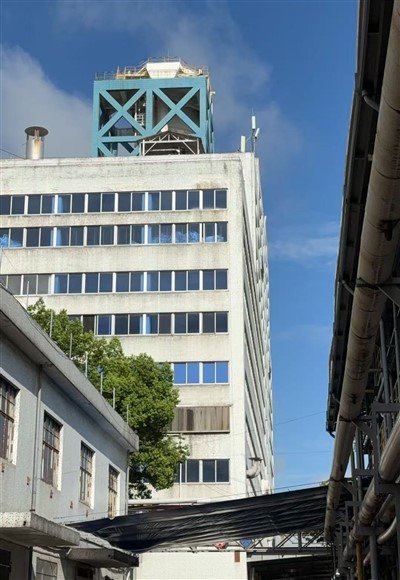
First off, let’s start with the backbone of any H₂O₂ plant: the process section. This is where the magic happens, right? We’re not just mixing two liquids and calling it done—this is the anthraquinone auto-oxidation (AO) process, which is the standard 95% of commercial plants use, so that’s what we build. First up, the working solution storage and treatment unit. That’s basically two big (or medium, depending on your plant size) tanks holding that key mix: anthraquinone dissolved in a mix of benzene and heavy aromatics. We throw in a tiny bit of stabilizer—usually phosphoric acid or something similar—to keep the solution from breaking down and gunking up. This unit also has filters to catch any crud that builds up over time, plus temperature controls because this mix is finicky; too hot, and it degrades, too cold, and it gets thick as molasses.
Next, the hydrogenation section. This is where we pump hydrogen gas (compressed, food-grade grade for most setups—important because impure H₂ messes up the reaction) and the working solution into hydrogenation reactors. These aren’t your grandma’s tea kettles—they’re pressure vessels, usually stainless steel or lined alloy, with a palladium catalyst (super pricey, but non-negotiable for yield). We control the pressure (around 300 psi, give or take for smaller plants) and temperature (50-70°C) here, and we have inline analyzers that check how much anthrahydroquinone we’re making in real time. No waiting around for lab tests here; we tweak the H₂ feed rate on the fly if the analyzer says we’re off. Oh, and don’t sleep on the catalyst recovery unit—at the end of hydrogenation, we filter out spent catalyst so it can be reused, that cuts down on costs for you big time.
Then comes oxidation. We pump that hydrogenated working solution (now full of anthrahydroquinone) into oxidation reactors, where we blast it with air (or pure oxygen, if you’re going for higher concentrations, like 50% vs the standard 27.5%). This is where the actual H₂O₂ forms—anthrahydroquinone grabs oxygen and turns back into anthraquinone, and the byproduct is dilute H₂O₂ dissolved in the organic solution. Again, we have pressure controls here, plus a vent system that pulls off excess gas (mostly nitrogen if we’re using air, plus leftover H₂) and safely vents it outside or sends it to a small burner to eliminate any explosive risk. Last thing we want is a plant fire over unprocessed gases, so we build in redundant safety checks here.
Now the separation and purification section—this is where we split the H₂O₂ out of the goop. First up, the liquid-liquid extraction unit. That’s a set of packed columns or mixers-settlers (we pick based on plant size) where we pour the oxidized organic mix into water. H₂O₂ loves water, so it jumps out of the organic phase and into the water phase, leaving the anthraquinone behind to get recycled back to hydrogenation. That crude H₂O₂ we get from here is like 20-30% concentration, full of tiny traces of organic stuff, and super dirty. So next up is the purification train: ion exchange resins to strip out metal contaminants (iron, palladium, you name it—those would ruin H₂O₂ if you’re using it for food or pharma), activated carbon filters to mop up leftover organic gunk, and distillation units if you need higher concentrations (like 50% or 70% for industrial use, or even 35% food grade). We size this based on your end product needs—no use overbuilding if you only need 27.5% for paper bleaching, or skimping if you want to sell to a cosmetic company.
Then there’s the utility and support systems—stuff that most new plant owners forget to account for, but it makes the whole thing run. First, the H₂ generation or supply unit. Most turnkey plants are either tied to an on-site H₂ generator (usually natural gas reforming, or electrolysis for green H₂ if that’s your vibe) or connected to a pipeline. We make sure the gas pressure and purity exactly match what your process section needs, so you don’t have to hunt for a H₂ provider that meets specs. Next, the power and control system. This is a distributed control system (DCS) that we program specifically for your plant—you don’t need a team of engineers to run it. The DCS monitors every sensor, adjusts flows and pressures automatically, and sends alerts if something’s off (like a temperature spike in a reactor). We also include backup generators, because if the power goes out mid-process, that’s how you get contaminated product or even damaged equipment. No one wants to dump 10k gallons of ruined H₂O₂ because of a blackout.
Then there’s storage and packaging. We build separate storage tanks for raw materials (working solution, H₂, water) and finished product. The product tanks are usually stainless steel, lined with food-grade epoxy if you’re making safe stuff, and have pressure relief valves because H₂O₂ can off-gas a little. For packaging, we can handle that too—whether you need bulk tanker loading, IBC filling, or even small plastic bottles for retail. We also include lab testing kits and training for your team, so they know how to check H₂O₂ concentration, test for contaminants, and fix small issues before they become big ones.
Wait, and I can’t skip safety systems—these are non-negotiable, not an afterthought. H₂O₂ is corrosive, H₂ is explosive, so we build in gas detectors everywhere, fire suppression systems (water mist, not regular sprinklers, because water can spread H₂O₂ mess), emergency shutdown (ESD) buttons at every workstation, and ventilation systems that pull fumes away from work areas. Every component we source is certified for chemical processing, no cheap garbage that’ll corrode in a year.
Let me tell you a quick story to put this in perspective. Last year, we did a turnkey plant for a small paper company in the Midwest. They tried to use a “partial turnkey” setup from another supplier a few years back—they got the main process reactors, but had to source all the utilities, storage, and controls themselves. They ended up spending 2x more on extra parts, waited 6 months longer to start up, and had to hire a third-party engineer just to connect the control system. With our turnkey, they had the whole thing delivered, our team showed up for 2 weeks to install and test, trained their 3 operators, and they were running at full capacity in 6 weeks. No headaches, no extra costs, just product coming out the pipe like clockwork.
A lot of people ask, “Can you adjust this for my needs?” Absolutely. If you’re a startup making disinfectant, we’ll size the plant for 2-5 tons a day, use food-grade materials, keep the purification simple. If you’re a big chemical manufacturer needing 50 tons a day of 70% H₂O₂ for industrial cleaning, we scale up the reactors, add more distillation units, and tweak the safety systems for higher throughput. We don’t do one-size-fits-all, that’s for guys who cut corners and end up with plants that break down.
Here’s the thing: when you buy a turnkey H₂O₂ plant, you’re not just buying equipment. You’re buying a package that’s designed, tested, installed, and supported by people who actually build these things, not just sell parts. We’ll be on call for the first 6 months after startup if something goes wrong, no extra fees. No hidden costs, no last-minute “oh you need this extra part” bills.

If you’re tired of dealing with suppliers who throw you a list of parts and leave you to figure it out, hit us up. We can sit down, talk through what you need (how much H₂O₂ you want to make, what concentration, what you’re using it for), and put together a plan that fits your budget. No pressure, no sales pitches that feel too good to be true. Just real gear for real plants, built by people who’ve been in this game for years.
Detergent Powder Plant References
- "Hydrogen Peroxide Production and Applications," Kirk-Othmer Encyclopedia of Chemical Technology, 5th Edition, 2007.
- Ullmann’s Encyclopedia of Industrial Chemistry, "Hydrogen Peroxide," Wiley-VCH, 2012.
- "Best Practices for Hydrogen Peroxide Plant Safety and Operation," Occupational Safety and Health Administration (OSHA) Technical Report, 2019.
- "Process Design for Small-Scale Hydrogen Peroxide Production," Industrial & Engineering Chemistry Research, Vol. 55, No. 32, 2016.
Zhejiang Dayu Industrial Engineering Group
As one of the most professional h2o2 plant manufacturers and suppliers in China, we’re featured by quality products and low price. Please rest assured to buy discount h2o2 plant made in China here and get quotation from our factory. Customized orders are welcome.
Address: Room 1004, Building 1, Xichengji Business Building, Xihu District, Hangzhou City, Zhejiang Province
E-mail: vivian@globe-industry.com
WebSite: https://www.globe-industry.com/
