When I first started selling electric delivery bikes a few years back, I got asked one question way more than any other: “Can your e-delivery bikes carry passengers too?” At the time, I didn’t have a great answer—mostly because I was too busy testing the bikes for restaurant runs and package drops to dig into the logistics of carrying a second person. Lately, though, that question’s been popping up nonstop: from couriers who want to haul a buddy and a package, to small café owners who need to shuttle staff between locations, even to local governments looking for low-cost transit for summer events. Today, let’s break this down—no boring tech jargon, just real talk from someone who’s actually sold these bikes, tested them, and heard all the pros and cons from people who use them every day. Electric Delivery Bike

First off, let’s clarify what we’re even talking about here. Electric delivery bikes aren’t the same as the commuter e-bikes you see with a small rear rack. Our models are built for heavy loads—think 120 to 200 pounds of food, packages, or coffee supplies, not just a laptop and a grocery bag. They have reinforced frames, bigger batteries, and more powerful motors than your average e-bike, all to handle the stop-and-go of city streets and bumpy side roads. Carrying a passenger changes that whole equation, and it’s not as simple as just adding a seat.
Let’s start with the hard, science-y stuff (the kind I actually looked up so I didn’t give customers bad info). The physics of e-bikes work like this: a motor’s power is rated in watts, and it’s built to move a specific weight. Most entry-level delivery bikes have a 250W to 500W mid-drive motor, which is enough for 200 pounds of cargo. Add a 150-pound passenger, and suddenly you’re pushing 350 pounds total. That means the motor has to work way harder, draining the battery faster—like, way faster. I’ve seen a customer test one of our base models for a local café: when it was only carrying 100 pounds of pastry supplies, the battery lasted 8 hours of shifts. Add a barista and their apron, and that dropped to 3 hours. No one wants a courier dying mid-shift because their bike conked out.
Then there’s the frame. Delivery bikes are built with a low center of gravity to stay stable when they’re loaded down. Add a passenger sitting on the rear rack or a little seat, and you shift that weight back, which makes the bike way more likely to tip if you hit a pothole or brake hard. We had one customer in Portland test a modified bike (he welded a cheap passenger seat on) and he totaled it when he swerved to miss a dog—luckily he only scraped his knee, but the bike frame bent so bad he had to replace it. Reinforced frames cost more, obviously, so not all delivery bikes are built to handle that extra weight. Our higher-end models have reinforced rear stays and a beefier frame, but even then, we only recommend carrying passengers if it’s intentional, not a last-minute add-on.
Safety’s another big one, and it’s not just about the bike. Most cities have laws about this too, right? I’ve had customers in NYC get a $150 ticket because a cop saw them carrying a passenger on a delivery bike. Some cities ban it entirely, others allow it only if the bike’s specifically designed for it, and a handful have no rules at all. It’s not worth it to risk fines, or worse, an accident, just because you’re in a hurry. A few months back, I hooked a courier up with a bike that’s certified for light passengers, and he told me he made 10% more money because he didn’t have to pay for a separate van for his side delivery runs. But he also had to take a 1-hour safety course the city required, just to make sure he knew how to handle the extra weight. That’s not a hoops we can skip, either.
Now, let’s talk about when it actually works, because it’s not all bad. A lot of our customers use this for small, local operations, not big national delivery companies. A bakery in Austin uses our mid-tier delivery bike to carry a part-time helper and 50 pounds of cakes and cookies to pop-up markets on weekends. They only do it on quiet residential streets, no busy downtown highways, and they only carry one passenger, max. That works for them because their routes are short, they plan around the battery life, and they stick to roads where they can go slow. Another customer is a small landscaping company—they use our heavy-duty delivery bikes to carry a helper and small tools around residential neighborhoods instead of driving a truck, saving them on gas and parking fees. That’s the kind of use case that makes sense, not a courier trying to carry 200 pounds of packages and two passengers across a city.
There are also ways to do it safely if you’re set on it, and this is where my experience selling these bikes comes in. First, don’t modify a standard delivery bike to carry a passenger. We sell add-on passenger kits for our higher-end models, but they’re not just a seat—they include reinforced rear racks, extra braking power, and a motor tune-up to handle the extra weight. We also sell optional crash guards and reflective strips, because when you’re carrying someone, visibility is way more important. Second, adjust how you ride. You can’t brake as hard, you have to take turns wider, and you have to check your battery twice as often. The bakery owner I mentioned uses a battery monitor app, and he always carries a portable charger for when he’s at the markets. Third, check your local laws before you even buy the bike. I tell every customer that’s asking about carrying passengers to call their city’s transportation department first—way easier than getting a ticket or having your bike impounded.
Now, the stuff that makes people nervous: wear and tear. Carrying extra weight puts more stress on brakes, tires, and chains. I’ve seen a customer who modified a cheap delivery bike go through three tires in two months because the extra weight wore them out. Our certified passenger-ready bikes have heavier-duty tires, but even those won’t last as long if you’re carrying a passenger every day. That adds up to extra maintenance costs, which a lot of people forget about when they’re just looking at the initial price. It’s not a big deal if you’re only doing it a few times a month, but if it’s part of your regular operation, you have to budget for that.
Wait, but what about electric cargo bikes, the ones that are super big? I get that question all the time. Some of our heavy-duty cargo bikes can carry up to 400 pounds total, which is enough for two small adults and 100 pounds of stuff. But even then, most of the time, those are designed for kids or small cargo, not full-grown adults. I had a customer in Amsterdam test one of our cargo bikes for moving small office supplies, and he tried carrying two grown men once—he said the bike handled it, but he had to go 10 mph slower than usual, and his battery died halfway. So even the big ones have limits. It’s not like a car, where more power just means you can carry more people. E-bikes are delicate that way.
Let me also be honest about what I don’t recommend. If you’re a big delivery company running 100 shifts a day, carrying passengers on your delivery bikes is probably not worth it. The battery drain, maintenance, and legal risks will end up costing you more than just using a van or a separate employee car. But if you’re a small business, a local courier, or a community group that only needs to carry passengers occasionally, it can work—if you get the right bike, follow the rules, and take the time to learn how to ride it safely.
I’ve had so many customers say, “Why can’t I just use my regular delivery bike for passengers?” And honestly, that’s why we sell specific models for this. If you’re just starting out, don’t cut corners by buying a cheap bike and adding a random seat. We can walk you through which models work for your route, how to set it up safely, and even help you check local laws so you don’t run into issues. A few months back, a food truck owner in Detroit came to me because he wanted to carry a part-time line cook and 70 pounds of ingredients to cater events. We sold him our mid-tier passenger-ready delivery bike, and he told me last week he saved $800 a month on van rental because he doesn’t need it for those events. That’s exactly the kind of win we’re here for.
Another thing people rarely think about: insurance. Most commercial bike insurance policies don’t cover accidents if you’re carrying a passenger on a non-certified bike. I once had a customer get in a fender bender when he was carrying a friend on a modified bike, and his insurance refused to pay for the damages. That’s a huge hassle, and it’s totally avoidable if you get a bike that’s certified for passengers. We work with a few insurance providers that offer discounted rates for our passenger-ready models, so that’s another thing I bring up to every customer.
Let’s wrap this up, because I know this is a lot. The short answer to “Can electric delivery bikes carry passengers?” is: sometimes, but it depends on three big things: the bike, how you use it, and the rules in your city. If you’re a small operation that needs to carry passengers occasionally, you get a bike built for it, follow all the safety and legal rules, and adjust your riding accordingly—then yes, it works, and it can save you a ton of money. If you’re running a high-volume operation, or you’re modifying a cheap bike to carry a passenger, then no, it’s probably not worth the risk, cost, or hassle.
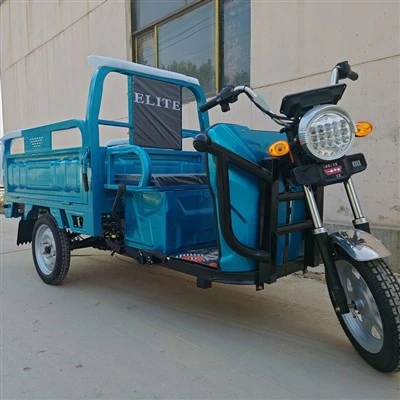
At the end of the day, I started selling electric delivery bikes because I love the idea of cutting down on gas, reducing traffic, and making small businesses more flexible. Carrying passengers on these bikes is a great example of that—when it’s done right, it’s way more eco-friendly than a van, way cheaper, and perfect for short, local trips. But it’s not a one-size-fits-all thing. If you’re thinking about getting a delivery bike to carry passengers, I can help you figure out the best option for your needs. No sales pitch, no jargon, just straight talk about what works and what doesn’t. If you want to chat through your specific use case, reach out to us to connect and discuss what’ll work for your operation. That’s what we’re here for.
Electric Mountain Bike References
- National Highway Traffic Safety Administration (NHTSA). E-Bike Passenger Safety and Regulatory Guidelines.
- Electric Bike Industry Association (EBIA). 2023 Commercial Delivery Bike Usage Report.
- Local Government Transportation Research Board (LGRB). City Rules for Passenger-Carrying E-Bikes in Urban Areas.
- Institute of Transportation Engineers (ITE). Weight Limits and Performance of Light Electric Cargo Bikes.
- Commercial Vehicle Safety Alliance (CVSA). Light Duty Vehicle Maintenance Guidelines for E-Bike Fleets.
Linyi Lanshan Merco Electric Bicycle Factory
Linyi Lanshan Merco Electric Bicycle Factory is one of the most professional electric delivery bike manufacturers and suppliers in China, also supports customized service. Please feel free to wholesale CE approved electric delivery bike made in China here and get pricelist from our factory. 1 years warranty is available.
Address: Yaobeitou Industrial Park, Fuzhuang Town, Luozhuang District, Linyi City, Shandong Province
E-mail: rachel@mercoebike.com
WebSite: https://www.mercoebike.com/
