When people first reach out to me about installing a residential elevator, the question I hear most isn’t about weight capacity or how much space it takes up. It’s always something softer, quieter: “How quiet are these things, really?” I get it. After spending your days in a home, you don’t want a clanking, rumbling machine drowning out a napping toddler, a home office call, or a quiet evening with a book. For over a decade as a residential elevator supplier, I’ve worked with hundreds of homeowners across the U.S. to answer this question—and it’s not just about a number on a spec sheet. It’s about how that noise fits into your daily life. Residential Elevators
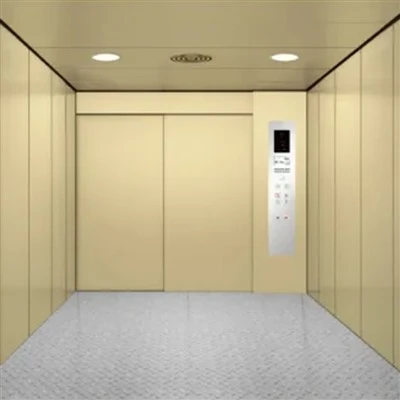
Let’s start with the basics. Noise in residential elevators comes from two main sources: mechanical vibration (from the motor, cables, or counterweight moving) and airborne sound (the hum or rattle you actually hear). For many years, standard residential lifts were just repurposed from small commercial units, built to haul heavy loads in high-traffic apartment buildings or offices. Those units could clock in at 60 to 70 decibels—about as loud as normal conversation or a dishwasher running. For a home, that’s disruptive. If you’re on the ground floor, you’d hear the elevator start up from the second floor; if your bedroom is next to the elevator shaft, it could wake you up at night.
That’s why, over the last 15 years, the residential elevator market has shifted entirely toward custom-built units designed exclusively for home use. The technology that drives these modern lifts isn’t just about moving a person between floors—it’s about reducing every bit of unnecessary noise. The two most common drive systems today are hydraulic and screw-drive, and they couldn’t be more different when it comes to sound. I’ve installed both, so I can speak from experience.
Hydraulic residential elevators used to be the go-to for larger homes, but they’re rarely the top pick now for noise. These systems use a pump to push fluid into a cylinder that lifts the carriage. The pump itself generates a steady hum, and if it’s not properly installed with vibration-dampening pads, that hum can travel through the floor and walls like a low thrum you feel as much as hear. I once worked with a family in Atlanta who’d had an old hydraulic lift installed that way; they said their dog would start pacing every time the elevator moved, long before anyone pressed the call button. We swapped it for a screw-drive unit, and within a week, the dog stopped that behavior. The difference was that stark.
Screw-drive systems, on the other hand, are almost whisper-quiet in a residential setting. Here’s how they work: a threaded steel screw runs up the center of the elevator shaft, and a nut on the carriage twists around that screw to lift or lower the lift. There’s no pump, no fluid, no heavy counterweight that slams into place. The only moving part is the screw, which is encased in a protective tube to muffle any sound. When these units are properly installed—with the screw aligned perfectly (a step that takes careful measurement, not just plug-and-play) and vibration isolators between the motor and the home’s structure—they clock in at 40 to 45 decibels. That’s as quiet as a library, or the hum of a refrigerator in the next room. I’ve had customers tell me they didn’t even realize the elevator had moved until they saw the light in the hallway change from the ground floor to the second.
But here’s the thing: noise isn’t just about the drive system. It’s about how you build the shaft, too. That’s where a lot of homeowners (and even some installers) cut corners that end up costing them in quiet. If you put an elevator in an open, unfinished shaft, the sound bounces around like an echo in an empty room, amplifying even small noises. That’s a common mistake I see with people who try to install their own lifts or work with uncertified technicians. A properly finished shaft—usually made of drywall with insulation between the walls to absorb sound—does two things: it contains the noise inside the shaft so it doesn’t travel to other rooms, and it dampens any vibrations that might leak out. I recently installed a unit in a home in Portland that had a shaft built with 2-inch thick fiberglass insulation between the drywall and the stud frame. The customer, a freelance writer who works from home on calls, said she could have a conversation on Zoom in the room next to the elevator while her partner took the elevator to the third floor—no drop in call quality, no background noise at all.
Even the way you finish the elevator carriage makes a difference. Metal carriages, while durable, can rattle if they’re not lined with soft, noise-absorbent materials. Most modern residential elevators come with lined interior panels, but some cheaper models skip that, leaving hard metal that clinks when you set a coffee mug down or step in and out. I always recommend opting for the lined interior, especially if you plan to have the elevator used by kids or elderly family members—less noise, plus a softer surface for safety.
I should also address a common myth: that all residential elevators are quiet now, so you don’t have to think about it. That’s not true. I still hear from customers who got a “bargain” elevator from a big-box store or an overseas supplier, and now they’re stuck with a unit that’s too loud for their home. Last year, a couple from Denver reached out to me because they’d had a lift installed for their aging parents, only to find that every time the elevator moved, it shook their entire master bedroom wall. The installer they’d worked with cut out the vibration isolators between the motor and the foundation, and didn’t properly line the shaft. We had to rip out the old unit and start over, which ended up costing more than if they’d worked with a reputable supplier from the start. That’s why, when you’re looking at a residential elevator, noise shouldn’t be an afterthought—it should be the first thing you ask about, along with safety certifications.
Another factor that people rarely consider is the elevator’s speed. Faster elevators generate more noise simply because they’re moving parts more quickly. A screw-drive residential elevator moves at about 20 feet per minute, which is slow enough to get between floors comfortably—you don’t feel like you’re in a rollercoaster—and slow enough to keep noise low. Hydraulic units can go a bit faster, up to 50 feet per minute, but that extra speed usually comes with more noise. For residential use, that slow speed is actually a feature, not a bug. It means you have plenty of time to step in and out, and you don’t have to deal with the rush of a commercial elevator.
Let’s put this in real, everyday terms. If your residential elevator is 45 decibels, here’s what that means for your home: you can watch TV in the living room while someone uses the elevator upstairs, and you won’t have to turn up the volume. You can take a phone call in your home office while the elevator moves between floors, and the person on the other end won’t hear a thing. You can let your toddler nap in their room next to the elevator, and they won’t wake up from the lift moving. For families with young kids, or people who work from home, that level of quiet isn’t a luxury—it’s a necessity. I have a sister who works remotely as a teacher, and when she installed her residential elevator a few years ago, she told me it was the best decision she’d made for her work. Before that, if her kid was running up and down the stairs, it would distract her during class; now, the elevator is quiet enough that it doesn’t interrupt her lessons at all.
Of course, every home is different. A small bungalow with the elevator installed in the back corner will have different noise levels than a large mansion with a central shaft running through the middle of the main living area. That’s why I always do an in-home assessment before I even give a quote. I measure the distance between the elevator location and the bedrooms, home office, and living areas, talk about how the family uses the space, and explain which drive systems and installation methods will work best for their needs. For example, if a customer is putting the elevator in a basement shaft near a guest room, I’ll recommend extra insulation to muffle any sound that does escape. If they’re putting it in a shaft next to a quiet library or home theater room, I’ll go with the quietest screw-drive system and align the screw with extra care.
I also make sure to set realistic expectations. No residential elevator is completely silent—even the quietest unit will make a tiny hum when it starts and stops, enough to let you know it’s working, but not enough to disrupt daily life. I’ve had customers ask if we can make the elevator so quiet they never hear it, and while that’s technically impossible (it would mean removing the motor entirely, which defeats the purpose), we come as close as possible. The difference between a good residential elevator and a bad one when it comes to noise is that the good one blends into your home, rather than standing out as a loud, intrusive machine.
When I first started in this business, I worked for a company that sold hydraulic elevators, and I thought noise was just a tradeoff for having a lift in your home. But after a few years, I saw how that tradeoff affected families—how they had to adjust their routines around the elevator, how they lost privacy in their own homes. That’s when I switched to working exclusively with residential elevator suppliers that focused on quiet, custom-built screw-drive units, and it changed the way I do business. Now, every installation I do is focused on making the elevator as unobtrusive as possible, because that’s what homeowners actually want.
If you’re in the market for a residential elevator, don’t just look at the spec sheet for noise levels. Ask the supplier for references—call those customers and ask them how quiet the elevator actually is, not just what the spec says. Ask about the installation process, especially how they plan to dampen vibration and insulate the shaft. And don’t make the mistake of choosing price over quality; a cheap elevator might seem like a good deal at first, but the noise will drive you crazy for years, and it can even lower the value of your home.
At the end of the day, a residential elevator is an investment in your home, your safety, and your quality of life. It should make getting around your home easier, not disrupt the quiet, daily moments that matter most. The right residential elevator will be quiet enough that you forget it’s there—until you need it. That’s how I approach every installation, and that’s what I deliver to every customer who works with me.

If you’re ready to learn more about how a quiet residential elevator can fit into your home, I’m here to help. We can schedule an in-home assessment to discuss your needs, answer any questions you have about noise, and find the perfect solution for your space.
Escalator References
- National Association of Home Builders. (2021). Residential Elevator Design and Performance Standards.
- Noise Control Foundation. (2019). Sound Levels in Residential Building Systems.
- American Society of Mechanical Engineers. (2020). Safety Standard for Residential Elevators.
- U.S. Department of Housing and Urban Development. (2022). Accessibility Features in Single-Family Homes.
Ningbo Dongao Elevator Co., Ltd.
As one of the most experienced residential elevators manufacturers and suppliers in China, we also support customized service. We warmly welcome you to buy high quality residential elevators for sale here from our factory. For quotation, contact us now.
Address: No. 16 Xiapan Road, Ninghai County, Ningbo City, Zhejiang Province
E-mail: 13777289058@163.com
WebSite: https://www.daelevator.com/
