Slurry pumps play a crucial role in various industries, including mining, dredging, and wastewater treatment. These pumps are designed to handle abrasive and high – viscosity slurries, and the impeller is one of the most critical components. Among different types of impellers, open and closed impellers are two commonly used ones in slurry pump spare parts. As a supplier of slurry pump spare parts, I’ve accumulated a wealth of experience and insights into the differences between these two types of impellers, which I’ll share in this blog post. Slurry Pump Spare Parts

1. Structural Design
The most obvious difference between open and closed impellers lies in their structural design. An open impeller consists of vanes that are attached directly to the hub without any shrouds. This exposes the vanes to the pumped fluid, making the design relatively simple and easy to manufacture. The open structure allows for easy access to the vanes, which is beneficial for inspection and maintenance.
On the other hand, a closed impeller has two shrouds, one on each side of the vanes, enclosing them. The vanes are sandwiched between the two shrouds, forming a more enclosed flow path for the slurry. This design provides better control over the fluid flow within the impeller and can potentially increase the pump’s efficiency.
2. Performance Characteristics
Efficiency
Closed impellers generally offer higher efficiency compared to open impellers. The shrouds in a closed impeller help to reduce leakage and recirculation of the fluid, ensuring that more of the energy imparted by the impeller is used for moving the slurry. This results in a better conversion of mechanical power into hydraulic power. In applications where energy consumption is a significant concern, a closed impeller can lead to substantial cost savings over time.
However, open impellers may be less efficient in handling clean fluids or low – viscosity slurries. Their open structure allows for more fluid leakage around the vanes, reducing the overall efficiency of the pump. Nevertheless, in some scenarios where the slurry contains large particles, the open impeller’s relatively lower efficiency can be offset by its better solids – handling capabilities.
Solids Handling
Open impellers excel in handling slurries with large and irregularly – shaped particles. The open design provides a wider flow path, minimizing the risk of clogging. The lack of shrouds means that particles can pass through the impeller more freely, reducing the chances of blockages that could cause pump failure. This makes open impellers a popular choice in applications such as mining, where the slurry often contains large chunks of ore or rock.
Closed impellers, conversely, are more suitable for handling slurries with finer particles. The enclosed flow path helps to maintain a more uniform velocity distribution, which can prevent the settling of particles within the impeller. But the presence of shrouds also means that closed impellers are more prone to clogging when dealing with large – sized solids.
Head and Flow Rate
The head and flow rate performance of open and closed impellers also differ. Generally, closed impellers can generate higher heads because the shrouds help to direct the fluid more effectively, increasing the pressure build – up. They are often used in applications where high – pressure pumping is required, such as long – distance slurry transportation.
Open impellers, while they may not generate as high a head as closed impellers, can provide higher flow rates. The open flow path allows for a larger volume of slurry to pass through the impeller, making them suitable for applications that require high – volume pumping, such as dredging operations.
3. Wear Resistance
Wear is a significant concern in slurry pump applications due to the abrasive nature of the slurry. The wear patterns and resistance of open and closed impellers also vary.
Open impellers experience more direct exposure to the abrasive particles in the slurry. The vanes are in direct contact with the fluid, and they are more likely to be worn down. However, the simple structure of open impellers makes it easier to repair or replace the damaged vanes. In some cases, individual vanes can be replaced, reducing the overall cost of maintenance.
Closed impellers, due to the presence of shrouds, can provide better protection for the vanes. The shrouds act as a barrier, reducing the direct impact of abrasive particles on the vanes. However, when wear occurs on the shrouds or the internal parts of the impeller, it can be more difficult and costly to repair. In some cases, the entire impeller may need to be replaced if the damage is severe.
4. Applications
The differences in performance and characteristics between open and closed impellers make them suitable for different applications.
Open Impellers
- Mining Operations: In mining, open impellers are widely used in primary and secondary slurry pumping. They can handle the large – sized ore and waste rock particles that are common in mining slurries. For example, in gold mines, open impellers are used to pump the slurry from the extraction site to the processing plant.
- Dredging: Dredging involves the removal of sediment and debris from the bottom of water bodies. Open impellers are well – suited for this application as they can handle the large and irregularly – shaped particles that are commonly found in dredged materials, such as sand, gravel, and mud.
Closed Impellers
- Wastewater Treatment: In wastewater treatment plants, closed impellers are often used to pump the sludge, which typically contains finer particles. The high efficiency and uniform flow characteristics of closed impellers help to ensure the smooth operation of the treatment process.
- Long – Distance Slurry Transportation: For long – distance transportation of slurries, closed impellers are preferred because of their ability to generate higher heads. This allows the slurry to be pumped over longer distances with less energy consumption.
5. Cost Considerations
The cost of open and closed impellers is another factor that differentiates them. Open impellers are generally less expensive to manufacture. The simple design with fewer components reduces the production cost, making them a cost – effective option for applications where high efficiency is not the primary concern.
Closed impellers, on the other hand, are more expensive due to their complex design and the additional manufacturing processes required for the shrouds. However, in applications where high efficiency and performance are crucial, the long – term cost savings from reduced energy consumption may offset the higher initial cost.
6. Making the Right Choice
As a slurry pump spare parts supplier, I understand that choosing the right impeller is crucial for the optimal performance of the slurry pump. When making a decision between open and closed impellers, several factors need to be considered.
- Particle Size and Concentration: If the slurry contains large particles or has a high concentration of solids, an open impeller may be the better choice. Conversely, if the slurry consists of finer particles, a closed impeller may be more suitable.
- Pump Performance Requirements: Applications that require high – pressure pumping or high efficiency may benefit from closed impellers, while those that need high – volume pumping may prefer open impellers.
- Cost – Benefit Analysis: Consider both the initial cost of the impeller and the long – term operating costs, including energy consumption and maintenance expenses.
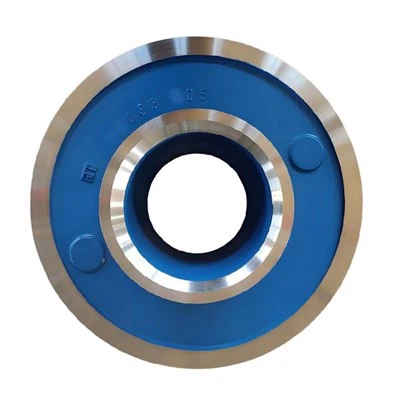
If you’re in the process of selecting the right slurry pump impeller for your application or need to replace the existing one, I’m here to help. I have a wide range of high – quality open and closed impellers in stock, designed to meet the diverse needs of different industries. Our impellers are made from the latest materials and manufactured using advanced technologies to ensure optimal performance and durability.
Sand Pump Whether you’re a mining company looking for a reliable impeller to handle large – sized ore particles or a wastewater treatment plant in need of an efficient closed impeller, we can provide you with the perfect solution. Please feel free to reach out to us to discuss your specific requirements and explore the best options for your slurry pump. Our team of experts is always ready to offer professional advice and support to help you make an informed decision.
References
- Karassik, I. J., Messina, J. P., Cooper, P. T., & Heald, C. C. (2008). Pump Handbook. McGraw – Hill Professional.
- Gulich, J. F. (2010). Centrifugal Pumps. Springer.
- Stepanoff, A. J. (1957). Centrifugal and Axial Flow Pumps: Theory, Design, and Application. Wiley.
Shijiazhuang Ruite Pump Co., Ltd.
Shijiazhuang Ruite Pump Co., Ltd. is one of the most experienced slurry pump spare parts manufacturers and suppliers in China. Please rest assured to wholesale high quality slurry pump spare parts made in China here from our factory. For price consultation, contact us.
Address: Majuan village, Nandong town, Gaocheng, Shijiazhuang, China
E-mail: info@ruitepump.com
WebSite: https://www.rtslurrypump.com/
