When I’m talking to buyers at trade shows or chatting with repeat customers, I always get the same question that stops them in their tracks: “Wait, is freeze-dried fruit just another type of dried fruit?” It’s a totally fair question—especially if you’ve only ever worked with the chewy, wrinkled dried fruit most people toss in trail mix. For 12 years, I’ve run a small dried fruit operation that sources from family farms across California and Arizona, and I used to lump freeze-dried stuff in with the rest too. That is, until I started processing both in-house to keep up with demand from craft bakeries, specialty snack brands, and even pet treat makers who are tired of fake additives. Today, I can tell you: freeze-dried fruit is not the same as dried fruit. Not even close. The difference starts with how each method pulls water out of the fruit—and that tiny technical gap makes all the difference for flavor, texture, nutrition, and shelf life. Dried Fruit
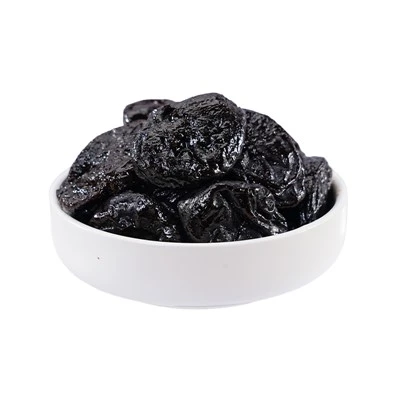
Let’s start with the old-school drying method, the kind most people picture when they say “dried fruit.” Sun-drying, dehydrator-drying, even the large-scale oven drying we used to do back when I had a single machine in my garage: all of these work by applying steady, low heat to evaporate water from the fruit. Think of it like baking a cookie slowly—you’re cooking the fruit a little as you go, breaking down some of its natural cell structure in the process. A fresh strawberry, for example, is 92% water. When we dehydrate it, we blow 135°F air over the berries for 12 to 18 hours, until moisture drops to around 15% (the sweet spot for chewy, shelf-stable dried fruit). That process softens the berry’s walls, shrinks it to about a third of its original size, and locks in a concentrated, sometimes slightly caramelized sweetness. It’s why a dried apricot tastes like a rich, syrupy version of its fresh self—heat breaks down the fruit’s natural sugars, turning some of the lighter fruity notes into something deeper, almost jammy.
Freeze-drying, on the other hand, is a whole different science. It doesn’t use heat at all. The process goes like this: first, we flash-freeze fruit at -40°F, fast enough that ice crystals form tiny, sharp needles rather than large, damaging ones. Then we put the frozen fruit in a vacuum chamber, where the pressure is pulled way down. At that low pressure, ice doesn’t melt into water—it turns straight into water vapor, a process called sublimation. That’s the same thing that happens to ice cubes left in the freezer for months, shrinking slowly over time. For our freeze-dried mango, that process takes 24 to 36 hours, and by the end, moisture is down to just 2%—almost nothing. No heat means the fruit’s cell walls stay intact, and none of the delicate enzymes that give fresh fruit its bright flavor get cooked or broken. That’s why freeze-dried strawberries taste exactly like fresh, just lighter and crunchier. You bite into a piece and get that burst of tangy, ripe strawberry flavor that makes you reach for another, no chewy texture or harsh concentrated aftertaste.
The texture difference alone is a game-changer. Traditional dried fruit is dense, chewy, sometimes a little sticky. Throw a handful of raisins in oatmeal and they plump up, right? That’s because they still have some residual moisture, and their cell walls are broken down enough that they can reabsorb water. Freeze-dried fruit is like a fruit sponge that’s been squeezed completely dry, so when you drop it in liquid, it dissolves in seconds. It crumbles into powder when you grind it, perfect for adding to protein bars or smoothie bowls for a fruit boost without lumps. We’ve had bakery clients use freeze-dried banana slices to top cupcakes because they don’t get soggy, which is impossible with regular dried banana. Even for snacking, freeze-dried fruit feels like a treat you can eat without feeling like you’re compromising—no sticky fingers, no weird aftertaste.
Then there’s nutrition, and this is where the lines get even more interesting. A lot of people assume freeze-dried fruit is healthier because it’s “raw,” but it’s not that simple. Both methods remove most of the water, so the calorie count per ounce is similar—around 150 calories for a 1-ounce serving, whether it’s dried or freeze-dried. But the vitamin content? It’s a close call, but with a small edge to freeze-dried. The heat used in regular drying breaks down certain heat-sensitive vitamins, like vitamin C and some B vitamins. A study from the University of California, Davis, found that regular dried strawberries lost about 40% of their vitamin C during drying, while freeze-dried strawberries retained 90% of theirs. That’s a big deal for brands marketing to kids or health-conscious consumers who want fruit that actually gives them what fresh fruit has. On the flip side, regular dried fruit has a longer shelf life when stored in a cool, dark place. We’ve had batches of our dehydrated peaches that stayed good for 18 months, while freeze-dried fruit, if not sealed in airtight packaging, can absorb moisture from the air and get soggy after 6 to 12 months. That’s why we package our freeze-dried fruit in nitrogen-flushed bags, so it stays crisp for up to a year.
I’ve seen the confusion first-hand with small business owners trying to pick which fruit to use for their products. A few years back, a craft cereal brand reached out to me because they’d been buying “dried fruit” in bulk from a big warehouse club, and their cereal was coming out tasting off. When I sent them a sample of our freeze-dried blueberries, they told me it was the difference between their old batch and the one that went viral on Instagram. The freeze-dried berries didn’t get soggy in the milk, and the flavor was bright, not muted. Another client, a pet treat maker, switched to our freeze-dried pumpkin because their customers complained that regular dried pumpkin had added sulfites to preserve color—something we never use in either of our products. It’s not just humans noticing the difference; our four-legged friends go crazy for the crisp, natural flavor.
But let’s be clear: neither method is “better” for every use. I’m not here to say freeze-dried is the only way to go. For trail mix, where you want something chewy that doesn’t turn to dust in your pocket, regular dried fruit is perfect. For yogurt toppings, cocktail garnishes, or ingredient mixes where texture and bright flavor matter, freeze-dried is the way to go. A lot of my long-time clients, the ones who’ve been with me since I was selling out of my garage, will order both—regular dried for baking, freeze-dried for snack products. It’s all about knowing what you need the fruit to do, and that starts with understanding the difference between the two processes.
What I’ve learned over the years is that most people, even people in the food business, don’t ask enough questions about how their ingredients are made. When a buyer says “dried fruit,” they often think one size fits all, but there’s a huge gap between something that’s been dehydrated at 120°F and something that’s been freeze-dried in a vacuum. At my company, we make both, and we’re happy to walk a buyer through the pros and cons of each, based on what they’re creating. We source our fruit from family farms that use sustainable practices, no GMOs or added hormones, so whether you pick regular dried or freeze-dried, you’re getting a product that’s as natural as possible.

If you’re a brand looking to add fruit to your menu, a café needing bulk fruit for baked goods, or even a retail store restocking snacks, I’d love to help you figure out which type works best for you. Don’t hesitate to reach out to our team to discuss your specific needs, ask about sample batches, or get a custom quote. We pride ourselves on being transparent about how we process every fruit, because we know that the best ingredients start with understanding the small details that make all the difference.
Dried Fruit Slices References
- University of California, Davis. (2021). Nutrient Retention in Dried and Freeze-Dried Small Fruits. Journal of Food Science, 86(3), 1124-1132.
- Food and Agriculture Organization of the United Nations. (2019). Drying Methods for Fruit and Vegetables: A Guide for Small-Scale Producers.
- American Dietetic Association. (2020). Comparing Nutrient Profiles of Dehydrated and Freeze-Dried Fruit. Journal of the Academy of Nutrition and Dietetics, 120(6), 987-995.
Gayafru Food (Hangzhou) Co., Ltd.
As one of the most professional dried fruit manufacturers and suppliers in China, we have world-leading production equipment and strong manufacturing capabilities. Please rest assured to buy bulk high quality dried fruit made in China here from our factory.
Address: 2nd Floor, Building 5, No.513-523 Shunda Road, Economic and Technological Development Zone, Linping District, Hangzhou City, Zhejiang Province, China
E-mail: shenhuafang216@foxmail.com
WebSite: https://www.gayafru.com/
