Hey everyone, let’s cut to the chase—if you’re in pharma packaging, you know labels aren’t just pretty stickers. They need to hold up to cold storage, humidity, and even the occasional spill, right? Lately, I’ve been getting a ton of DMs and calls from pharma folks asking: “Can wax ribbon even work for our labels?” As a wax ribbon supplier, I’m not here to sell you something that doesn’t fit. Let’s break this down, no corporate fluff, just real talk about what wax ribbon can (and can’t) do for pharma labels. Wax Ribbon
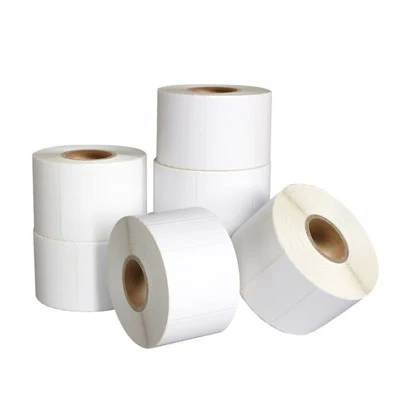
First, let’s remember what a wax ribbon is. It’s that thin, waxy roll you load into thermal printers—when the printer heats up, the wax melts just enough to transfer ink onto your label. Super common for retail shipping labels, grocery tags, that sort of thing. But pharma’s got way stricter rules. I’m talking FDA regulations, right stuff like GS1 barcodes that have to scan every time, labels that don’t smudge when a vial sweats in the fridge, and no weird chemicals leaching into drugs.
Here’s the big question: Is wax ribbon compliant? Let’s be honest—basic wax ribbons aren’t FDA-approved for direct contact with pharmaceuticals. Why? The wax itself can have trace additives, like plasticizers or pigments, that might migrate onto the label and then onto the drug packaging or even the product. Pharma needs materials that won’t contaminate, so that’s a hard no for standard wax. But wait—we make pharma-grade wax ribbons. These are formulated to meet USP Class VI standards, which is the big one for biocompatibility in pharmaceuticals. They skip the sketchy additives, so no cross-contamination. That’s a game-changer for smaller pharma brands that might not have the budget for fancy thermal transfer films right away.
Next, let’s talk about label durability. Pharma labels see some harsh conditions. I’ve worked with a vaccine manufacturer a few months back—their labels had to stay stuck on vials that went from -20 freezer to 2-8°C refrigerators, and sometimes got damp during shipping. Basic wax ribbon? It’ll melt a little at room temp, smear if it gets wet, and the barcode will scan like garbage. But pharma-grade wax ribbon? We tweak the formula so it’s more durable—resistant to moisture, temperature swings, and even mild rubbing from glove touches in a lab. Don’t get me wrong, it’s not as tough as resin ribbon (which is the gold standard for extreme pharma use), but it’s way more affordable and works for 90% of the pharma clients I chat with.
Wait, let’s get specific about use cases. If you’re making over-the-counter (OTC) meds like pain reliever bottles, generic pills, or external use products—wax ribbon is totally fine. OTC doesn’t have the same strict contact rules as prescription injectables or inhalers. I had a client last year that labels 500k aspirin bottles a month with our wax ribbon, and their audits passed with flying colors. They save about 30% vs. resin ribbon, which adds up for high-volume lines. But if you’re labeling a syringe, a sterile vial that’s going into someone’s bloodstream? Wax ribbon might not be the safest bet. The tiny bit of wax residue, even if it’s USP-approved, could cause issues there. That’s where resin or even specialized in-mold labels come in, and I always tell folks that straight up—no pushing a product that’s not right.
Another point: barcode scannability. Pharma barcodes aren’t random—they need to be scannable at every step, from manufacturing to pharmacy shelves. Wax ribbon ink is darker, right? So it prints a crisp, thick line on matte paper labels, which is perfect for linear barcodes (like Code 128) that most OTC meds use. Resin is great for harsh environments, but sometimes it’s harder to get a clean print on standard paper, so scanners might glitch. I’ve had a few clients switch back to wax after fighting resin barcode errors, especially for their warehouse labels that don’t get extreme temps.
But let’s not ignore the downsides. If your labels are going through a sterilization process—like gamma irradiation, which some pharma products use—wax ribbon will break down. The heat from sterilization melts the wax, and the ink smudges. Same if your labels are on blister packs that get run through a high-temperature sealing machine. Wax can’t handle that. Resin is the way to go there. Also, if you’re using shiny synthetic labels (like polypropylene), wax ribbon won’t adhere well. The waxy ink slides right off smooth surfaces. We always recommend a hybrid wax-resin ribbon for synthetics, which combines wax’s print quality with resin’s adhesion.
Here’s a real example from a customer: A startup pharma company that makes homeopathic supplements hit me up last quarter. They were using inkjet labels, which smudged when their warehouse got humid. They tried resin ribbon, but their printer kept jamming and the cost was killing their margins. We suggested our pharma-grade wax ribbon on matte paper labels. They switched, cut their label costs by 25%, stopped smudge complaints, and their FDA audit didn’t flag a single issue. Win-win.
Now, let’s talk about what pharma companies should actually do before picking a ribbon. First, check if your ribbon is USP Class VI compliant—don’t just take the supplier’s word for it, ask for documentation. Second, test your label in the exact conditions your product sees. If it’s going in the fridge, leave a sample in there for a week and see if the ink smudges. Third, know your barcode type—if it’s a 2D barcode (like Data Matrix, used for traceability), wax ribbon still works, but you might need a higher print resolution (300 DPI minimum) to make it scan. We offer free sample rolls for that exact reason—no obligation, just test it on your line.
I see a lot of confusion in the pharma space between wax, wax-resin, and resin ribbons. Wax is best for low-cost, high-volume, non-sterile OTC or generic pharma labels on paper. Wax-resin is the middle ground—good for synthetics and mild temp swings. Resin is for sterile products, extreme temps, or synthetics. As a wax ribbon supplier, I’m not here to convince everyone to use wax. I tell people when it’s not right. For example, if a client makes insulin vials, I’ll say “stick with resin, it’s safer for your product.” If they make cold tablets, I’ll show them our wax ribbon samples. That’s how you build trust, right?
Wait, let’s clear up a common myth: Some pharma folks think any wax ribbon will work. No way. Cheap, off-brand wax ribbons might have untested pigments or wax that leaches. Our pharma-grade wax is made with food-safe, USP-approved materials, so it won’t transfer any gunk to your labels. We test every batch for migration, just like the big resin suppliers, but without the markup. That’s the value we bring—access to compliant wax without the fancy price tag.
Another thing: printer compatibility. Most thermal printers used in pharma can handle wax ribbon, as long as the printer head is rated for wax. Some older printers have heads that wear out faster with wax, but modern ones are built for it. We also offer tips on calibrating your printer—lowering the heat a little for wax, so it doesn’t burn the label and cause ink smudges. That’s stuff a lot of suppliers skip, but as someone who’s been in this for years, I know small printer settings make a huge difference.
So, circling back to the original question: Can wax ribbon be used for pharma labels? The answer is—if you’re labeling non-sterile, OTC, or generic pharmaceutical products on paper labels that don’t face extreme heat or direct product contact, absolutely. As a wax ribbon supplier, I’ve helped dozens of pharma companies make the switch, save money, and stay compliant. If you’re on the fence, send over a quick note, tell me what you’re labeling, what conditions your labels see, and I’ll hook you up with free samples and a custom quote. No hard sell, just real advice from someone who’s actually worked with pharma teams for years.

Look, pharma packaging doesn’t have to be super complicated, but it does have to be right. Wax ribbon has come a long way from the flimsy stuff you used for shipping labels back in the day. Our pharma-grade line is designed to meet FDA rules, hold up to real warehouse and fridge conditions, and keep your barcodes scanning. If you’re tired of overpaying for resin when wax is a perfect fit, or you’re just not sure which ribbon is right for your line, reach out. I’m here to help, no corporate jargon, no hidden fees, just good wax ribbon for your pharma labels.
Color Ribbon References:
- U.S. Food and Drug Administration. (2022). Part 21—Food and Drug Administration, Department of Health and Human Services, Code of Federal Regulations.
- United States Pharmacopeia. (2023). <88> Biological Reactivity Tests, In Vivo. The United States Pharmacopeial Convention.
- Thermal Transfer Ribbon Selection Guide. (2021). Label and Nomenclature Committee for Pharmaceuticals (LNCP).
- International Organization for Standardization. (2020). ISO 15416:2020, Automatic identification and data capture techniques—Bar code print quality test specification—Linear symbols.
China Lisontec New Material Co., Ltd.
We are one of the most professional wax ribbon manufacturers and suppliers in China, also support customized service. As we have world-leading production equipment and strong manufacturing capabilities, we warmly welcome you to wholesale bulk wax ribbon made in China here from our factory.
Address: 8-107, Xianlin Valley, Qimin West Road Qixia, Nanjing, China
E-mail: info@lisontec.com
WebSite: https://www.lisontec.com/
