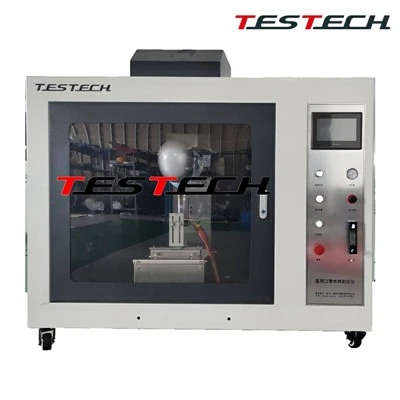
The flammability of cables is a critical safety concern in various industries, from construction to electrical engineering. As a supplier of Wire Cable Flammability Testers, I’ve witnessed firsthand the importance of understanding how different factors influence cable flammability test results. One such factor that often goes under – the radar is the cross – sectional area of the cable. In this blog post, I’ll delve into how the cross – sectional area of a cable affects its flammability test results. Wire Cable Flammability Tester
Understanding Cable Flammability Testing
Before we explore the impact of the cross – sectional area, it’s essential to have a basic understanding of cable flammability testing. Flammability tests are designed to evaluate a cable’s ability to resist ignition, flame spread, and the generation of smoke and toxic gases when exposed to fire. These tests are crucial for ensuring that cables meet safety standards and regulations, protecting lives and property in case of a fire.
There are several types of flammability tests, including the UL 1581 Vertical Flame Test, the IEC 60332 – 1 – 2 Single Vertical Flame Test, and the IEC 60332 – 3 – 24 Bunched Cable Flame Test. Each test has its own set of procedures, criteria, and pass/fail standards, but they all aim to assess the cable’s fire performance.
How Cross – Sectional Area Affects Combustion Rate
One of the primary ways the cross – sectional area of a cable affects its flammability test results is through its impact on the combustion rate. A larger cross – sectional area generally means more material available for combustion. When a fire starts, cables with a larger cross – section have a greater volume of combustible material, which can lead to a more intense and rapid fire.
In a flammability test, this means that cables with larger cross – sectional areas are more likely to have a higher flame spread rate. The increased amount of fuel allows the flame to spread more quickly along the cable, potentially leading to a failure in tests where flame spread is a critical criteria. For example, in the UL 1581 Vertical Flame Test, the flame should not spread above a certain marking on the cable within a specified time. A cable with a large cross – section may be more likely to exceed this limit due to its faster combustion rate.
Heat Dissipation and Cross – Sectional Area
Another important factor is heat dissipation. Cables with smaller cross – sectional areas have a larger surface – area – to – volume ratio compared to those with larger cross – sections. This means that they can dissipate heat more effectively. When a cable is exposed to a flame, heat is generated during combustion. If the heat can be dissipated quickly, the temperature of the cable may not rise as rapidly, reducing the likelihood of further ignition and flame spread.
In a flammability test, cables with smaller cross – sections may have an advantage in terms of heat dissipation. They are less likely to reach the critical temperature for sustained combustion, which can result in better test results. For instance, in the IEC 60332 – 1 – 2 Single Vertical Flame Test, a cable that can dissipate heat effectively is more likely to self – extinguish within the required time limit.
Impact on Smoke and Toxic Gas Generation
The cross – sectional area of a cable can also influence the amount of smoke and toxic gases generated during a flammability test. Larger cross – sectional cables, with more combustible material, tend to produce more smoke and toxic gases when burned. This is because the increased volume of material leads to more complete or incomplete combustion reactions, which can release various by – products such as carbon monoxide, hydrogen chloride, and other harmful substances.
In tests that measure smoke density and toxic gas emissions, such as the IEC 61034 – 2 Smoke Density Test and the IEC 60754 Halogen Acid Gas Emission Test, cables with larger cross – sections are more likely to exceed the allowable limits. Excessive smoke and toxic gas generation can pose a significant risk to human health and can also reduce visibility during a fire, making it more difficult to evacuate a building.
Considerations for Different Cable Types
It’s important to note that the impact of cross – sectional area on flammability test results can vary depending on the type of cable. For example, power cables, which typically have larger cross – sections to carry high currents, may be more prone to the issues mentioned above. However, data cables, which often have smaller cross – sections, may have different characteristics.
Data cables are usually made of different materials and have a different construction compared to power cables. They may be more focused on signal transmission and may have different insulation and jacketing materials. These materials can have their own flammability properties, which can interact with the cross – sectional area in unique ways. For example, some data cables may use low – smoke zero – halogen (LSZH) materials, which are designed to reduce smoke and toxic gas generation. Even with a relatively small cross – section, the choice of LSZH materials can significantly improve the flammability test results.
Practical Implications for Cable Manufacturers and Users
For cable manufacturers, understanding the relationship between cross – sectional area and flammability test results is crucial for product design and development. Manufacturers need to balance the electrical requirements, such as current – carrying capacity, with the need for good fire performance. They may need to adjust the cable’s construction, such as using different insulation and jacketing materials or modifying the cable’s geometry, to improve its flammability characteristics, especially for cables with larger cross – sections.
For cable users, such as electrical contractors and building owners, being aware of this relationship can help in making informed decisions. When selecting cables for a particular application, they should consider not only the electrical specifications but also the fire safety requirements. In high – risk areas, such as hospitals, schools, and commercial buildings, it may be necessary to choose cables with smaller cross – sections or cables that have been specifically designed to meet strict flammability standards.
How Our Wire Cable Flammability Testers Can Help
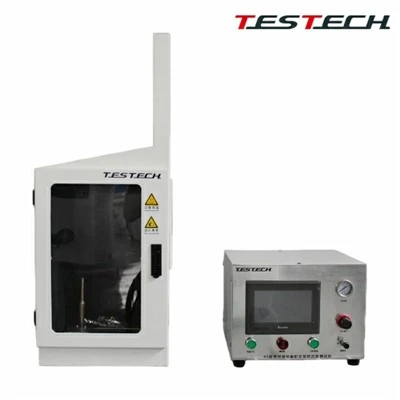
As a supplier of Wire Cable Flammability Testers, we offer a range of testing equipment that can accurately assess the flammability of cables with different cross – sectional areas. Our testers are designed to meet international standards and can provide reliable and consistent test results.
Our state – of – the – art technology allows for precise control of test parameters, such as flame temperature, exposure time, and air flow. This ensures that the test conditions closely mimic real – world fire scenarios, providing a comprehensive evaluation of the cable’s fire performance. Whether you are a cable manufacturer looking to test new product designs or a user wanting to verify the compliance of purchased cables, our testers can provide the information you need.
Conclusion
In conclusion, the cross – sectional area of a cable has a significant impact on its flammability test results. It affects the combustion rate, heat dissipation, and the generation of smoke and toxic gases. Cable manufacturers and users need to be aware of these relationships to ensure the safety and compliance of their products.
Fabric Flammability Tester If you are involved in the cable industry and are interested in accurate and reliable flammability testing, we are here to help. Our team of experts can provide you with detailed information about our Wire Cable Flammability Testers and how they can meet your specific testing needs. Contact us to start a discussion about your requirements and explore how we can assist you in ensuring the fire safety of your cables.
References
- UL 1581, “Reference Standard for Electrical Wires, Cables, and Flexible Cords”
- IEC 60332 – 1 – 2, “Tests on electric and optical fibre cables under fire conditions – Part 1 – 2: Test for vertical flame propagation for a single insulated wire or cable”
- IEC 60332 – 3 – 24, “Tests on electric and optical fibre cables under fire conditions – Part 3 – 24: Test for vertical flame spread of vertically – mounted bunched cables – Category C”
- IEC 61034 – 2, “Determination of the smoke density of cables burning under defined conditions – Part 2: Test procedure and requirements”
- IEC 60754, “Test on gases evolved during combustion of materials from cables”
TESTech Instrument (Suzhou) Technologies
TESTech Instrument (Suzhou) Technologies is one of the most reliable wire cable flammability tester manufacturers and suppliers in China. If you’re going to wholesale durable wire cable flammability tester, welcome to get quotation from our factory. For price consultation, contact us.
Address: 8/F, R&D and Production Workshop No. 5, Jiangsu Guoqian Technology Innovation Industrial Park, 168 Lüliangshan Road, Huqiu District, Suzhou, Jiangsu Province, China
E-mail: sales@testech.com.cn
WebSite: https://www.testechfiretest.com/
