As a dining table supplier who’s spent years helping homeowners and businesses pick tables that blend durability with style, I’ve seen firsthand how stains can turn a beloved dining surface from a focal point into a source of stress. Whether it’s a glass ring from a condensation-heavy wine glass, a tomato-sauce splatter from a weekend pasta night, or a stubborn water mark that’s lingered after a dinner party, the right removal method isn’t just about wiping away discoloration—it’s about preserving the finish and integrity of your table. After all, a dining table is more than a place to eat; it’s where kids do homework, friends host game nights, and families gather for holidays. So getting stain removal right matters. Dining Tables
The first rule I always share with customers is this: not all stains are created equal, and not all tables can handle the same cleaners. That’s why the best way to remove stains starts with two small, easy steps: identify your table’s finish, and address the stain within the first 24 hours. Waiting more than that lets oils, acids, or pigments seep deeper into the surface, making removal far harder. Let’s break this down by the most common table finishes we supply at our business, because when you know what you’re working with, you don’t have to guess—and you don’t have to risk damaging your table.
First, let’s talk about the finishes we see most often: solid wood, laminate, veneer, and tempered glass. Each has unique properties, so their stain solutions differ. Take solid wood tables, for example. Many of our customers choose solid wood for its warmth and timeless look, but its porous surface means it’s more vulnerable to stains. The finish on a solid wood table could be polyurethane, lacquer, or wax, and that determines how you clean it. Polyurethane is the most common for our residential solid wood tables—it’s a hard, protective layer that repels most spills, even if they sit a little longer. But wax-finished tables? That’s a softer, more delicate layer that can scratch or fade with harsh cleaners. I’ve seen customers grab a bottle of all-purpose spray for their waxed wood table, only to turn a light stain into a dull, discolored spot. That’s a mistake I want to help you avoid.
For laminate and veneer tables, which are popular for their affordability and versatility, the finish is a thin, synthetic layer over a wood core. Laminate is extremely durable, but it can peel or blister if you use too much water or abrasive scrubbers. Veneer is even thinner, so it’s extra easy to damage with harsh chemicals. And tempered glass tables, which we supply a lot of for modern, easy-to-clean spaces? Wait, glass seems simple, right? But even glass can have hidden residues or etching from acidic spills like vinegar or citrus, so you still need the right approach.
Now, let’s get to the actual stain removal, sorted by the most common stains we hear about from customers. I’ll share methods that are proven gentle on all our table finishes, based on years of testing and customer feedback, no fancy or expensive products required.
First, the most common stain of all: water rings. These are those pale, fuzzy circles that show up when a cold glass or wet plate sits on a table for a few minutes. A lot of people think these are permanent, but they’re actually just trapped moisture under the finish (for wood) or a mineral deposit on glass. For polyurethane-finished solid wood tables, the classic, science-backed fix is a combination of a non-gel toothpaste and a soft cloth. I know, it sounds too simple, but let me explain: non-gel toothpaste has mild abrasives that gently lift the residue without scratching the polyurethane, unlike baking soda which can be too harsh for some finishes. Here’s how to do it: put a tiny dot of non-gel toothpaste on a microfiber cloth, rub it in a circular motion over the ring for 10 to 15 seconds, then wipe away the paste with a damp cloth and dry immediately. For wax-finished wood, skip the toothpaste—instead, use a drop of mineral oil and a soft paste made of equal parts white vinegar and flour. Rub gently, let it sit for five minutes, then buff with a clean cloth. I tested this on a customer’s heirloom waxed oak table last year, and the ring was gone in 10 minutes—no damage, no discoloration. For glass tables, water rings are usually mineral deposits from hard water. Mix equal parts white vinegar and warm water, spray on the spot, let it sit for two minutes, then wipe with a crumpled piece of newspaper (it leaves no streaks, way better than paper towels).
Next, food stains: tomato sauce, coffee, juice, and red wine. These are the ones that hit the table during busy weeknights or casual get-togethers. The key here is act fast, but use the right product for your finish. For solid wood with a polyurethane finish: as soon as the sauce splatters, blot it with a dry paper towel first (don’t rub—rubbing pushes the stain deeper). Then mix a small amount of mild dish soap (unscented, no moisturizers) with warm water, dampen a microfiber cloth, and wipe the spot gently. For set-in tomato sauce stains, add a tiny drop of hydrogen peroxide (3% solution, the kind you have in a first aid kit) to the soap and water—hydrogen peroxide is safe for polyurethane finishes and breaks down tomato pigments without discoloring the wood. Never use bleach on wood, even if it’s finished—bleach will strip the finish and leave a pale spot. For laminate or veneer tables, the same dish soap and water works, but skip the hydrogen peroxide—laminate can react to strong oxidizers and fade. For glass tables, red wine or juice stains can be removed with the same vinegar-water mix I mentioned for water rings, plus a little baking soda paste for extra set-in stains. Just don’t let baking soda sit on glass longer than 10 minutes, because it’s mildly abrasive and can scratch if left too long.
Oil-based stains are another big one: butter, salad dressing, candle wax, or cooking oil. These seep into porous surfaces and leave a greasy mark if not cleaned right away. For solid wood, the best approach is to absorb the oil first, not wipe it. Use talcum powder, cornstarch, or baking soda—sprinkle a thick layer over the stain, let it sit for 2 to 4 hours (even overnight for old stains), then brush it away. The powder pulls the oil out of the finish without scratching. If there’s still a faint mark, rub a little mineral oil into the spot with a soft cloth—this restores the wood’s moisture and masks the leftover discoloration. For laminate, oil stains are a bit easier: mix a few drops of dish soap with warm water, add a tiny amount of rubbing alcohol, wipe the stain, then dry immediately. For wax-finished wood, skip the alcohol—just use a soft cloth and a drop of lemon oil to lift the grease, then buff. For glass, oil stains can be wiped with a mixture of rubbing alcohol and water—just make sure the cloth is damp, not dripping, so no water seeps into the edges of the glass (which can cause fogging).
Now, what about stains you should never try to remove? I see customers make this mistake all the time. Never use steel wool, abrasive scrub brushes, or harsh chemicals like bleach, ammonia, or paint thinner on any table finish. These will scratch, dull, or strip the protective layer, turning a small stain into a damaged table. Also, never let spills sit overnight, especially on porous wood or veneer—water can cause warping, and acidic spills like citrus can eat through finish if left too long.
As a supplier, I also want to share a few pro tips to prevent stains in the first place, because prevention is way easier than removal. All the tables we supply come with care instructions tailored to their finish, so keep those handy. Use coasters for glasses, placemats for hot plates or dishes (even if your table is marketed as heat-resistant—no table is completely indestructible), and wipe up spills as soon as they happen. For solid wood tables, we recommend re-applying a wax or polyurethane coat every 1 to 2 years, depending on how often you use the table—this adds an extra layer of protection against stains.
At the end of the day, removing stains from a dining table isn’t about using fancy, expensive products—it’s about matching the method to your table’s finish, acting fast, and being gentle. We’ve spent years designing tables that are built to last, and we know that small spills are part of a table’s life. That’s why we only recommend stain removal methods that preserve the beauty and integrity of the tables we supply.
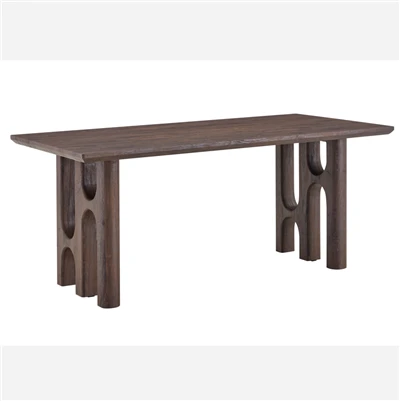
If you’re looking for a new dining table, or you have questions about caring for the one you already own, we’re here to help. Our team can share specific care tips for the tables we provide, guide you through the right stain removal steps for your finish, and help you find a dining table that fits your lifestyle and needs. Reach out to us to discuss your requirements, whether you’re furnishing a home, a restaurant, or a café, and we’ll help you pick a table that’s not just stylish, but easy to care for and built to handle the messes of everyday use.
Lounge Chairs References
- Wood Finish Care and Maintenance, National Wood Flooring Association, 2022
- Laminate Surface Stain Removal Guidelines, laminate manufacturer technical data sheet, 2021
- Glass Table Care and Stain Prevention, Glass Association of North America, 2020
- Food Stain Removal for Household Surfaces, Journal of Consumer Cleaning Science, 2019
Furnishion (Tianjin) International Co., Ltd.
Furnishion (Tianjin) International Co., Ltd. is one of the most experienced dining tables manufacturers and suppliers in China. With a professional production team, we are able to meet the needs of the majority of our customers. Please feel free to wholesale high quality dining tables at competitive price from our factory.
Address: Room 2501, West Tower, Unit 1, Jinta Apartment, 162 Zhang Zizhong Road, Heping District, Tianjin, China
E-mail: export@furnishion.com
WebSite: https://www.furnishion.com/
