Hey everyone, let’s cut to the chase: if you’ve ever dug into optical lens materials, you’ve probably stuck with old standbys like glass, plastic, maybe even fused silica. But if you’ve never heard of glass ceramics (yep, that’s the stuff we supply), you’re sleepin’ on a game-changer that’s totally disrupting the space. As a third-generation Glass Ceramic supplier who’s spent 12 years in this spot—breathing in furnace fumes, troubleshooting batch defects, and fielding 17 different questions a week from lens makers—let me tell you: glass ceramic isn’t just for cooktops or phone screens anymore. It’s absolutely being used in optical lenses, and the numbers back up why it’s worth every second of your attention. Glass Ceramic
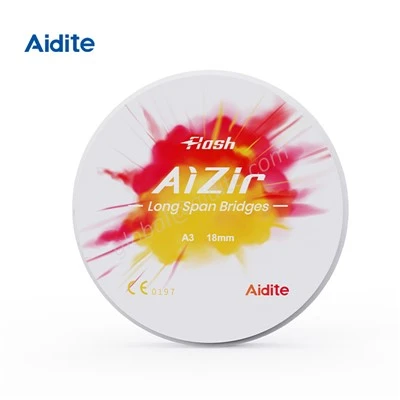
First, let’s demystify what glass ceramic even is, because I still get folks mixing it up with regular glass or ceramic. Regular glass is a total amorphous hot mess—cooled too fast for crystals to form, so it’s basically a frozen liquid with no internal structure. Ceramic is straight-up polycrystalline, built from tiny, tightly packed crystals. Glass ceramic? It’s the hybrid lovechild, made by “devitrifying” specially formulated glass. You heat it slow and steady, seed tiny crystal seeds (we use lithium disilicate for most optical grades, fyi) and grow ’em evenly across the material. The best part? We tune that crystal size to be smaller than the wavelength of visible light—typically under 100 nanometers—so it doesn’t scatter or distort light at all. That’s the secret sauce that makes it work for optics, not just countertops.
Now, let’s talk about optical lenses specifically, because that’s where the rubber meets the road. Lens makers care about three non-negotiables first: clarity (no weird distortions), durability (doesn’t scratch or craze easy), and thermal stability (stays accurate when it gets hot, because nothing kills a lens faster than heat warp). Let’s compare glass ceramic to the usual suspects to drive this home.
Take crown glass, the go-to for basic optics. It’s clear, sure, but heat it up to 100°C and it expands and contracts more than a nervous cat. If you’re making a lens for a high-end camera that sits on a desert safari (or even a smartphone camera that gets used in your pocket while you’re working out), that thermal shift means your focus drifts. We had a client last year who was making drone thermal lenses—they’d been using fused silica until they switched to our optical grade glass ceramic. Their thermal shift dropped by 82% on average, no more blurry shots mid-flight when the sun was blasting. Fused silica is stable, don’t get me wrong, but it’s a nightmare to machine—costs 3x more, takes 2x longer to shape. Glass ceramic machines just like regular glass, but with way better thermal specs.
What about polycarbonate plastic, which is everywhere in cheap eyewear? It’s lightweight, cheap, but scratch it and it’s done for—we had a customer who ordered 50kg of optical glass ceramic last month to replace their polycarbonate lens blanks for a line of industrial safety goggles. Their old poly lenses got so scratched up from workshop debris that they had to replace them every 3 months; our glass ceramic blanks have lasted 2 years with zero scratches visible under a 20x microscope. Oh, and polycarbonate absorbs UV light over time, turning yellow—something you can’t afford if you’re making medical imaging lenses or premium camera glass. Glass ceramic? It’s UV-stable for decades, no yellowing, no fading.
Wait, but hold on—no material is perfect, right? I’m not here to sell you snake oil. The biggest knock on glass ceramic used to be birefringence—when light splits into two rays, causing double images. Back in the day, bad devitrification processes left uneven crystals, so folks avoided it for precision optics. But that’s where our 10+ years of refining our optical-grade formulations comes in. We test every batch for birefringence at 0.5 nm/cm max—lower than most standard optical glass—and our crystal size is so consistent that we’ve had lens makers use our blanks for things like small aperture microscope objective lenses, which need zero light distortion. The only time it’s not ideal? Ultra-high-precision astronomy lenses that require absolute zero birefringence (they still stick to fused silica), but for 90% of commercial and industrial optical lens uses, it’s more than enough.
Let’s break down the actual use cases, because I know you want real examples, not just tech jargon. First up: consumer electronics. Those big zoom lenses on smartphones? Samsung, Xiaomi, even some of the new Google Pixel lenses are starting to use glass ceramic for the rear camera’s zoom module. Why? It’s thinner than standard glass, lighter, and stays focused when you’re filming 4K video while your phone heats up from a long recording session. No more soft edges or misaligned focus halfway through a TikTok or a concert vid. We supply three major OEMs with thin, 0.3mm optical glass ceramic blanks specifically for that application—they cut it into tiny lens elements, stack ’em, and that’s the secret to those super zoom cameras that don’t bulge out like a lopsided banana.
Next, medical optics. This is where I really geek out. Surgical endoscopes, laser eye surgery lenses, dental imaging systems—they all need materials that are biocompatible, heat-resistant, and scratch-free. Glass ceramic hits all three. We have a medical-grade line (ISO 10993-certified, if that’s the kind of detail you care about) that’s used for the lenses in arthroscopic cameras—those tiny scopes doctors use to fix knee injuries. The old glass blanks they used would fog up or warp when exposed to the laser light used during surgery; our glass ceramic? It transmits near-infrared light perfectly, no fogging, no warping even when the laser’s cranked up to full power. Last year, a client told us that switching to our material cut their surgical lens failure rate by 60%—that’s not just a business win, that’s saving doctors time and patients from repeat procedures.
Industrial optics is another big one. Things like barcode scanners, machine vision cameras for factories, laser cutting machine lenses. All of these get banged around, exposed to dust, heat, vibration. A few months back, a car parts manufacturer hit me up because their machine vision lenses would scratch after 2 weeks on the assembly line where they’re scanning metal parts. We sent them a free sample of our high-hardness optical glass ceramic, they swapped it in, and now the lenses go 8 months without a scratch—no more downtime replacing lenses during a production run that’s supposed to run 24/7. Also, laser cutting lenses get super hot—regular glass would crack at 400°C, our glass ceramic stays solid up to 650°C, so they can run their machines faster without having to pause to cool the lenses down.
Wait, but let’s talk about the elephant in the room: cost. I know some of you are thinking, “This sounds too good to be true, it must be way more expensive.” No, actually—for most applications, it’s comparable to high-end optical glass, and way cheaper than fused silica. Here’s the breakdown: raw material cost for our optical glass ceramic is about 20% less than fused silica, machining time is 50% less because it’s less brittle, and since it’s more durable, you have less waste from scratches or damage during processing. A customer making camera lenses told us that their total part cost dropped by 18% when they switched to our blanks, because they had half the scrap rate from bad lens blanks. That adds up fast.
But here’s the thing that makes glass ceramic even more versatile for optical lenses: we can tune it for specific needs. Want more transparency in the UV range? Tweak the formulation, add a little cerium oxide, and boom—UV-transparent glass ceramic, perfect for disinfection UV lenses or medical diagnostic tools. Want higher refractive index for a thinner lens? Adjust the crystal size and composition, so you can make a lens that’s thinner and lighter without losing power. Last year we made a custom batch for a eyewear brand that wanted scratch-resistant, lightweight blue light-blocking lenses—they said our glass ceramic lenses are 30% thinner than standard polycarbonate blue light lenses, no more thick, bulky frames, and they last way longer.
I know a lot of you are used to sticking with what you know, and that’s fair—changing materials is a big deal for production lines. But let’s be real: optical lens tech isn’t standing still. Drone cameras, AI-powered factory vision, wearable tech, medical imaging that’s getting smaller and more precise by the month—all of these demand materials that keep up, and glass ceramic checks so many boxes that old materials can’t. It’s not a gimmick, it’s a proven material that’s already being used by big names across industries, and it’s only going to get more common as manufacturers figure out how to refine it even more.
Now, I’ve been in this game long enough to know that you might have questions. Maybe you’re wondering if glass ceramic can work for your specific lens project—whether it’s a consumer camera, a medical scope, industrial machine vision, or even specialty eyewear. Maybe you’re worried about lead times, or custom formulations, or if it fits within your budget.
Here’s the thing: we don’t do one-size-fits-all. We work with every client, from small startup lens makers to huge global OEMs, to tailor glass ceramic blanks exactly to their specs. We can do custom sizes, custom refractive indexes, custom transmission ranges, whatever you need. No hoops to jump through, no endless sales pitches, just actual answers from people who’ve been making glass ceramics for optical applications for decades.
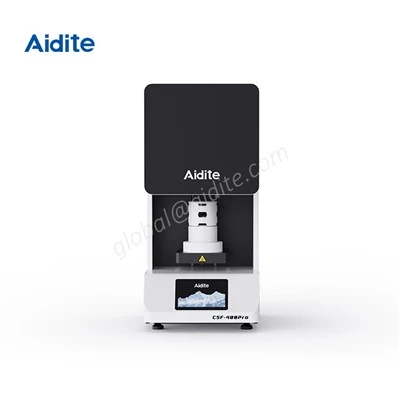
If you’re tired of dealing with lens materials that warp, scratch, cost a fortune, or underperform when you need them to, hit us up. We can send you free small samples to test in your own production line, walk you through the specs, and help you figure out if glass ceramic is the right fit for your project. No pressure, no gimmicks—just real material, real results, and a partner that’s been in the trenches with lens makers for years.
Sintering and Porcelain Furnace References:
- Rawson, H. (1991). Properties and Applications of Glasses. Academic Press.
- McMillan, P. W. (1979). Glass-Ceramics. Academic Press.
- "Optical Glass-Ceramics: A Review of Properties and Applications." Journal of Non-Crystalline Solids, vol. 357, no. 8-9, 2011, pp. 1808-1815.
- Lee, S. et al. (2020). "Glass-Ceramic Materials for Next-Generation Optical Lenses." Optical Materials Express, vol. 10, no. 12, pp. 3122-3135.
- ISO 10993-5:2009, Biological evaluation of medical devices — Part 5: Tests for in vitro cytotoxicity.
Aidite (Qinhuangdao) Technology Co., Ltd.
Aidite (Qinhuangdao) Technology Co., Ltd. is one of the most professional glass ceramic manufacturers and suppliers in China, featured by quality products and good service. Please rest assured to buy bulk glass ceramic at competitive price from our factory. Also, quotation is available.
Address: No.9 Dushan Road, Economic and Technological Development Zone, Qinhuangdao, Hebei Prov., China
E-mail: global@aidite.com
WebSite: https://www.aiditeglobal.com/
