Let me start by pulling back the curtain a little—when I was at my shop floor last Tuesday, I watched a new install team wrap up a commercial piping job and leave half a dozen pipe support brackets caked in dust, concrete splatter, and a fine layer of pipe welding slag. I nearly grabbed a rag myself, because I know too well what happens next: those brackets, left half-clean, will rust out six months early, and my client will be calling me to replace them before their 10-year warranty is even half done. That’s why I’m sitting down to write this, not as a textbook author, but as the guy who ships 2,000+ custom and standard pipe support brackets a month to industrial plants, plumbing contractors, and facility managers across the country. I’ve seen the good, the bad, and the rusted-out mess when maintenance is skipped, and today I’m walking you through exactly how to clean and maintain these brackets so they hold up as long as they’re supposed to. Pipe Support Brackets
First, let’s get one thing straight: pipe support brackets aren’t just metal pieces holding pipes up. They’re the unsung backbone of every piping system—whether it’s a commercial HVAC line in a mall, a chemical processing line in a refinery, or a domestic water line in a high-rise apartment. A bracket that’s loose, corroded, or dirty doesn’t just look bad—it can throw a whole piping system out of alignment, leading to leaks, structural damage, and even safety hazards. I’ve had a client call me in a panic three years ago because a 6-inch steam line sagged 12 inches, and the root cause? A single galvanized bracket that had rusted through because it was never cleaned of the wet, mineral-rich dust in their steel mill. That’s the kind of headache we’re here to help you avoid.
Before we jump into the step-by-step process, let’s talk about the one mistake I see every installer and maintenance tech make: skipping pre-cleaning assessment. Not all brackets are the same, and not all dirt is created equal. A stainless steel bracket holding food-grade piping in a brewery needs a totally different cleaning process than a carbon steel bracket holding a sewage line, or a galvanized bracket outside a school that’s exposed to rain and road salt in the winter. So first, grab your notebook (or your phone, no judgment) and note three things: the material of your bracket, the type of debris on it, and the environment it’s in.
For example, if you have galvanized brackets exposed to de-icing salts or coastal air, that white, powdery corrosion forming isn’t harmless—it’s the start of zinc breakaway, which will leave the underlying carbon steel vulnerable to rust. If you have stainless steel brackets in a food and beverage plant, you have to be extra careful to remove any food residue that could cause bacteria growth, and you can’t use harsh abrasives that scratch the surface (scratches trap contaminants). And for carbon steel brackets in heavy industrial environments, you’ll be dealing with welding slag, grease, oil, and heavy industrial dust that can accelerate rust if left on.
Okay, now that you’ve done your quick assessment, let’s break down the cleaning and maintenance steps, starting with routine cleaning (the stuff you should do every 3 to 6 months, depending on your environment) and then deep cleaning for those annual or semi-annual checkups.
Routine cleaning is the non-negotiable upkeep that keeps most brackets from needing deep cleans or repairs. For routine, I always recommend a dry or mild wet clean first, to avoid introducing water if you don’t need it (water is the biggest enemy of metal brackets, especially if you don’t dry them fully). Start with a stiff-bristle nylon brush—nylon is important; metal brushes can scratch surfaces or leave tiny metal shavings that will cause corrosion on softer metals like aluminum or stainless steel. For surface dust, light dirt, or loose debris, just scrub the bracket in place (you don’t always have to remove it from the pipe, which saves time) to get rid of anything sitting on the surface. If there’s more grime, like light grease or pipe scale, mix a solution of warm water and a mild, pH-neutral dish soap—nothing harsh like bleach or ammonia, which can eat away at galvanized coatings or discolor stainless steel. Dip your brush in the solution, scrub the bracket, and then rinse with a clean cloth or a low-pressure hose (if you’re working outdoors—high-pressure hoses can force water into crevices between the bracket and the pipe, leading to hidden rust). Immediately dry the entire bracket with a microfiber cloth or a lint-free rag—this is non-negotiable. I can’t tell you how many times I’ve seen a tech spray a bracket with a hose and walk away, leaving puddles in the mounting holes or under the lip of the bracket, which sit there for days in humid weather and turn into rust spots before the week is out.
Now, when do you need deep cleaning? That’s when you’ve got heavy buildup, like welding slag, heavy grease, concrete splatter, or that powdery zinc corrosion I mentioned earlier. For deep cleaning, you will likely need to remove the bracket from the pipe, so make sure you turn off the line if it’s carrying fluid, relieve pressure, and mark the bracket’s position so you put it back correctly (alignment is everything for pipe supports). For carbon steel brackets with welding slag or heavy industrial buildup, a handheld power wire brush works here, but only if it’s a steel-appropriate bracket—never use a wire brush on stainless steel, because it can leave iron particles that cause rust later. A better option for industrial buildup is a phosphate-based metal cleaner, which dissolves grease, oil, and light rust without scratching the surface. Soak the bracket in the solution for 15 to 30 minutes (follow the manufacturer’s instructions, because leaving it too long can damage coatings), then use a nylon brush to scrub off any remaining debris. For concrete splatter, which is rock hard and common on construction job sites, I’ve found that a small amount of white vinegar applied to the dried splatter will soften it enough to scrape off with a plastic putty knife—be careful not to gouge the bracket’s surface, though. Once you’ve scrubbed all the debris off, rinse thoroughly, dry completely, and set it aside while you do a quick inspection.
Wait, inspection! That’s the part most people skip, but it’s the most important step to extend your bracket’s lifespan. After cleaning, take a close look at every bracket for: rust spots, cracks in the metal, bent mounting holes, loose fasteners, or damage to any coatings. If it’s a small rust spot on a galvanized bracket, you can use a wire brush to sand it down, apply a zinc-rich primer, and touch it up with matching galvanized spray paint—this will seal the spot before rust spreads. For stainless steel brackets, even a tiny scratch can be a problem if it’s exposed to salt or chemicals, so sand the scratch with fine-grit sandpaper, then apply a stainless steel polish to protect the surface. If you see a crack or a bent bracket, don’t try to bend it back into shape or patch it—pipe brackets are load-rated, and even a small crack can mean it can’t support the weight it’s supposed to. At my company, we always say: it’s cheaper to replace a $10 bracket than to risk $10,000 in piping damage when it fails.
Once your bracket is cleaned, inspected, and touched up, it’s time for maintenance that prevents future damage. The biggest maintenance step here is coating protection, but not all coatings are the same. Galvanized brackets need to be re-sealed every 5 to 7 years, depending on the environment—we recommend a clear acrylic sealant for galvanized brackets exposed to the elements, because it doesn’t change the appearance or the load rating. For stainless steel brackets, a monthly wipe-down with a mild stainless steel cleaner will prevent surface contamination. For heavy industrial brackets (carbon steel in refineries or chemical plants), a heavy-duty epoxy coating is the way to go, and you should re-apply it every 3 to 5 years, depending on exposure.
Don’t forget about fasteners! The bolts, nuts, and washers that hold the bracket to the pipe or the wall are just as important as the bracket itself. I see people clean the bracket and leave the rusty old fasteners in place all the time. Fasteners can corrode in place, making it impossible to tighten or remove them later, which leads to loose brackets and big problems. When you clean a bracket, take a minute to remove the fasteners, soak them in a rust-dissolving solution, scrub them, and lubricate them with a light anti-seize compound before re-installing. Anti-seize compound doesn’t just make it easier to remove the fastener next time—it also prevents galvanic corrosion, which happens when two different metals (like a steel bolt and an aluminum bracket) touch each other. That’s a big one—galvanic corrosion is often invisible until it’s too late, and it’s caused by mismatched metals without a barrier. So always use fasteners that match or are compatible with your bracket material, and add a thin layer of anti-seize to create that barrier.
Now, let’s talk about some common mistakes I’ve seen that even experienced maintenance techs make, so you can avoid them. First, using household cleaners like bleach or toilet bowl cleaner on metal brackets—bleach is full of chlorine, which eats away at galvanized coatings and causes stainless steel to rust, even if you rinse it thoroughly. Second, using high-pressure power washers to clean brackets—like I said earlier, they force water into tiny crevices, and if you don’t dry it perfectly, you end up with hidden rust that will ruin the bracket from the inside out. Third, skipping alignment checks after cleaning and re-installing. When you remove a bracket to clean it, it’s easy to forget exactly how it was positioned, which can throw the pipe off, leading to stress on the bracket and future failure. Always mark the bracket’s position with a piece of painter’s tape before removing it, so you know exactly where to put it back. Fourth, waiting until you see visible rust to do maintenance. By the time you see a rust spot, corrosion has already been eating away at the metal for months. Routine checks every 3 to 6 months will catch issues early, when they’re easy and cheap to fix.
I want to make this practical, because I know this isn’t just theoretical. Let’s use a real example from a client I worked with last year: a commercial office building in Chicago that had 150 galvanized pipe support brackets for their HVAC system. The building’s maintenance team was only cleaning the brackets once a year, and they were using a power washer. When they called me because 20 of the brackets had rusted through, I walked through the routine: they were cleaning the brackets every 6 months instead of once a year, switching to a mild soap and soft brush instead of the power washer, and touching up small rust spots with zinc primer. We also checked their fasteners and replaced the rusted bolts, and now those brackets have held up for 12 months so far, with no new rust spots. That’s the kind of small change that makes a huge difference.
At the end of the day, pipe support brackets are designed to be low-maintenance, but they still need consistent care to perform as long as they should. If you cut corners on cleaning, skip inspections, or use the wrong products, you’re going to end up with premature failure, costly repairs, and unnecessary downtime. If you do it right—assess your brackets, do routine and deep cleaning, inspect every part, and protect their coatings—your brackets will last 10, 15, even 20 years, which is exactly what you expect from a quality pipe support bracket.
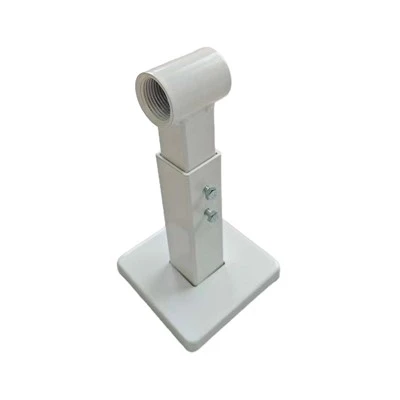
If you’re in the market for durable, load-rated pipe support brackets that are easy to clean and maintain, or if you need advice specific to your system’s needs, don’t hesitate to reach out. We’re here to help with custom solutions, technical guidance, and all the pipe support products you need to keep your systems running smoothly.
Palletizing Robots References
- National Association of Plumbing-Heating-Cooling Contractors (NAPHCC). Maintenance Guidelines for Pipe Support Systems, 2022.
- American Welding Society (AWS). Corrosion Control Practices for Metal Pipe Supports, 2021.
- Steel Structures Painting Council (SSPC). Surface Preparation and Coating Maintenance for Industrial Metal Components, 2020.
- Stainless Steel Industry Association (SSIA). Cleaning and Care Guidelines for Stainless Steel Components in Industrial Applications, 2019.
- Galvanizers Association. Maintenance of Galvanized Steel Components in Outdoor and Industrial Environments, 2023.
Wanyuan Yuanwei Automation Equipment Co., Ltd.
With abundant experience, we are one of the most professional pipe support brackets manufacturers and suppliers in China. Please feel free to wholesale high quality pipe support brackets for sale here from our factory. Good service and punctual delivery are available.
Address: No.392, Wanbai Road, Baisha Town, Wanyuan City, Dazhou City, Sichuan Province
E-mail: wanyuanyuanwei@outlook.com
WebSite: https://www.yuanweiautomation.com/
