Hey there, if you’re on the hunt for how to keep your non-magnetic tools for coal in tip-top shape (and trust me, if you work in coal processing, you know how messy that gets), you’ve come to the right place. I’m part of a non-magnetic tools for coal supplier, and let’s be real—when your tools are covered in coal dust, slurry, and all that gritty, sticky residue, they stop working right. Whether you’re using our non-magnetic wrenches, screwdrivers, or our specialized coal sampling probes, ignoring proper cleaning leads to weird performance drops, rust (even non-magnetic ones can corrode if neglected), and worst of all, safety risks around explosive coal dust. I’ve seen too many ops cut corners on cleaning, only to end up with tools that won’t fit tight, or even worse, spark from built-up debris that’s been there way too long. So let’s break this down like we’re chatting over a coffee (no stuffy manuals here—promise). Non-Magnetic Tools for Coal
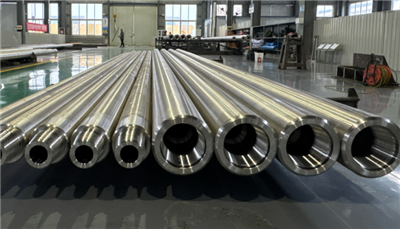
First off, why does coal-specific cleaning matter way more than your average tool wipe-down? Coal isn’t just dirt. It’s got volatile compounds, right? Those fumes can eat away at the coatings on non-magnetic tools (most are made of things like Hastelloy, titanium, or 316L stainless steel, for anyone who cares). And fine coal dust, when it’s caked on, can mess with the non-magnetic properties—wait, no, actually, non-magnetism doesn’t fade, but the dust can get into hinges, drives, or locking mechanisms, making tools stiff to use. Plus, safety: if you’re working in areas where methane levels are high (super common in coal mines and processing plants), even a tiny spark from a dirty, gritty wrench scraping against metal is a huge no-go. I’ve heard of a few small incidents that could’ve been avoided just with a quick, correct clean every shift. That’s why we drill this into every customer—cleaning isn’t a chore, it’s a safety step.
Now, let’s get to the actual process, split it up by how dirty your tools are, because wiping down after a small job is way different than dealing with tools that’ve been sitting in a slurry pit for a week. First, daily deep clean (this is for tools that get used every day—sampling probes, socket sets for conveyor maintenance, that stuff). Start with a dry brush first: a stiff nylon bristle brush, not a metal one (metal brushes can scratch non-magnetic surfaces, and scratches catch more grime later). Scrub off all the loose coal dust and coarse particles. Don’t skip this step—if you spray water on caked dust first, it turns into mud that’s impossible to get off later. For crevices (like the grooves on probe handles, or the joints in adjustable wrenches), use an old toothbrush or a pipe cleaner. I keep a set of these in my tool bag when I’m on-site helping customers—game changer.
Next up, the wash. No dish soap that has moisturizers or fragrances—those leave a residue that will attract more dust. Stick to a mild, pH-neutral industrial detergent, the kind for heavy equipment but not too harsh. Mix it with warm (not hot—hot water can strip any special coatings on some non-magnetic alloys) water in a bucket. Soak your tools for 10 to 15 minutes. For really caked-on slurry, you can let them sit a bit longer, but don’t leave them overnight—coal slurry dries rock hard once it’s fully set. After soaking, use that same stiff nylon brush to scrub again, paying extra attention to any spots where dust or slurry was stuck. If you’ve got tools with moving parts (like adjustable wrenches), work the part back and forth a few times under the water to get gunk out of the joints.
Then, rinse thoroughly with clean water. Don’t let detergent sit— it can cause corrosion over time, even on non-magnetic metals. Once they’re rinsed, dry them right away. This is the step most people mess up. Air drying is fine if you’ve got a big rack, but for tools with nooks and crannies, use a lint-free microfiber cloth or compressed air (on low pressure, so you don’t blow dust deeper) to get every last drop of water out. If you skip drying, even 30 minutes sitting around can lead to surface rust, which is a nightmare to remove from non-magnetic tools because the rust tends to stick to the alloy’s pores.
Now, what about tools that are extra dirty—like ones that’ve been used in coal mining face areas, or left in a stockpile for a while? That’s a deep clean, not a daily tidy. For these, start with a more aggressive pre-soak, but not too aggressive. Use a solution of warm water and a small amount of trisodium phosphate (TSP) — just a tiny bit, TSP is strong. Let them soak for 30 minutes max, because TSP can damage some non-magnetic alloys if left too long. Then, take a wire wheel brush (plastic-coated, not metal) for any really thick caked-on coal. Metal wire brushes scratch surfaces, and those scratches are where coal dust gets trapped, so avoid them at all costs. After scrubbing, soak again in fresh soapy water for 10 minutes, then rinse and dry like normal. For sampling probes, which are super important because you don’t want leftover coal skewing sample results, you can even use a food-grade sanitizer at the end of the deep clean—just make sure it’s fully rinsed and dried.
Wait, a quick note on special tools: our non-magnetic coal sampling probes have a hollow shaft, right? So after cleaning, you need to make sure the inside is dry too, otherwise moisture will get trapped and cause corrosion. I usually blow compressed air through the shaft after drying, then let them hang upside down overnight to air out. Same goes for non-magnetic bolt cutters—those pivot points are where coal slurry loves to hide, so take a cotton swab dipped in rubbing alcohol to get in there, then lubricate lightly. Oh, right, lubrication! A lot of people forget that after cleaning, moving parts need a thin coat of oil, but not just any oil. Use a dry lubricant or a light, non-staining oil like silicone spray—regular motor oil will attract more dust later, turning your clean tool into a dusty mess in no time. For probes, don’t use oil inside the shaft; just keep it dry.
Now, mistakes to avoid. First, using metal brushes or scouring pads on non-magnetic tools. Like I said earlier, scratches = more grime, plus they can leave tiny metal shavings, which are bad if you’re working around coal (those shavings could conduct or cause sparking). Second, letting tools air dry completely on their own in a humid environment. If your workplace is in a damp area (super common in some coal mines), air drying might not be enough—use a fan near your drying rack. Third, ignoring small cleanups after each use. A quick wipe with a microfiber cloth right after you finish a job takes 10 seconds and prevents a full deep clean at the end of the week. I have customers who do this, and their tools last twice as long as others who only clean them when they stop working.
Also, storage! Even if you clean your tools perfectly, storing them wrong ruins everything. Keep them in a dry, cool place—no leaning them against a damp wall, no tossing them in a rusty tool chest. We sell custom tool rolls for our non-magnetic tools for coal, actually, that have individual pouches so each tool doesn’t rub against another and scratch. If you don’t want to buy those, wrap them in lint-free cloth or place them on a wooden rack, not metal, to avoid moisture transfer. For long-term storage (like if you have extra tools for seasonal work), put a small silica gel packet in each tool pouch to soak up any extra moisture.
Let me talk from personal experience here. Last year, we had a customer in West Virginia who was going through non-magnetic wrenches twice as fast as he should. He was using metal brushes to clean them, leaving scratch after scratch, and storing them in a damp tool room. We sent our tech out to walk him through the cleaning process I just laid out, and within 6 months, his wrench replacement rate dropped by 70%. He also told us he noticed fewer safety incidents because the tools didn’t spark as much—turns out all that built-up coal dust was making the tools more likely to spark when tightening bolts. That’s when I realized this isn’t just about keeping tools pretty, it’s about keeping people safe and costs down.
If you’re still confused about specific tools—like how to clean our non-magnetic coal chisels, or our special spark-resistant pry bars—hit us up. We’re a non-magnetic tools for coal supplier, so we get every nook and cranny of the industry. We even have a free quick-start guide for cleaning that we can send over if you shoot us a message. No hard sells, just straight-up advice from people who work with these tools every day. We know that your operations run on reliable tools, so taking 5 minutes a day to clean them right is way better than dealing with a broken wrench mid-shift, or worse, a safety hazard.
Before I wrap up, let’s recap the basics so you don’t forget: 1) Dry brush first to avoid mud buildup. 2) Use mild, pH-neutral detergent, no harsh stuff. 3) Dry immediately, don’t let water sit. 4) Avoid metal brushes at all costs. 5) Lubricate moving parts sparingly after cleaning. 6) Store in a dry place. That’s it. It’s not rocket science, it’s just consistent, simple steps. You don’t need fancy equipment, just the right supplies and a little attention.

If you’re ready to upgrade your non-magnetic tools for coal (or just need more specific cleaning tips for a tool you already have), reach out to us to chat procurement and answer any questions you have. We’re here to help you keep your tools working as hard as you do, without the hassle of avoidable repairs or replacements. And remember, taking care of your tools is taking care of your team—because safe, reliable tools mean safer shifts for everyone.
Non-Magnetic Tools for Coal REFERENCES
- National Institute for Occupational Safety and Health (NIOSH), "Guidelines for Safe Use of Tools in Coal Mines", 2019
- Hastelloy Corporation, "Maintenance and Cleaning Guidelines for Corrosion-Resistant Alloys in Coal Processing", 2021
- International Society of Automation (ISA), "Cleaning Protocols for Non-Magnetic Industrial Tools Used in Mining Applications", 2020
Shanxi Zhonghe Non-Magnetic Drill Tool Co., Ltd.
As one of the most professional non-magnetic tools for coal manufacturers and suppliers in China, we also support customized service. With abundant experience, we warmly welcome you to buy high quality non-magnetic tools for coal for sale here from our factory. Contact us for more details.
Address: No.168 Fenglei Street, Houma City, Linfen City, Shanxi Province, China.
E-mail: lucy@nmdrillcollar.com
WebSite: https://www.zhnmdc.com/
