Hey there, it’s Jake from [Your Company Name] – the guy behind the strainers you might’ve seen popping up on industrial job sites, food processing lines, and even the plumbing system of your local café. People hit me up all the time asking, “Wait, not all strainers are the same?” Nah, man, they’re not. I’ve been selling these things for 8 years now, and let me tell you, trying to spec the wrong one for a job is like bringing a screwdriver to a nail gun fight – it just doesn’t work, and you end up with a headache (or a broken pump, which is way worse). Today, I’m breaking down the main types of strainers, what they’re for, and which one you should actually grab for your next gig. No boring textbook jargon, promise – this is the real stuff I tell my regulars at 2 a.m. when they’re panicking about a shutdown. Strainer
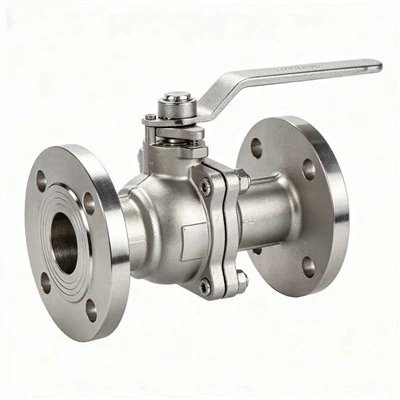
First off, let’s get the basics outta the way real quick. A strainer’s whole job is simple: catch solid gunk (rust chunks, sediment, coffee grounds, hair, whatever) out of a liquid or gas line before that garbage messes up your expensive equipment. Think of it like a sieve for your pipes, basically. But just like a sieve for flour vs. one for draining pasta, they’re not one-size-fits-all. Let’s start with the big daddy of the industrial world: Y-Type Strainers. If you’ve worked in oil and gas, wastewater, or any kind of manufacturing, you’ve definitely seen these. They’re shaped like a “Y” (shocker, right?) – that angled body lets the liquid/gas flow through, and the strainer basket sits at the bottom of that angled leg.
Here’s why Y-types are the GOAT for most general industrial use: they’re low-maintenance, easy to take apart, and don’t take up a ton of space. I sold a batch of 12-inch Y-types last month to a refinery in Houston that was dealing with way too much pipeline rust – those strainers caught every last chunk, and they just pop the basket out, blast it with a pressure washer, and put it right back. The only catch? They’re not great for super high flow rates or lines with crazy high pressure drops. If your line’s moving more than like 1,500 gallons per minute, a Y-type might start restricting flow too much, and you’ll lose efficiency. Also, they’re not the best for tiny particles – the mesh is usually around 20-40 microns, so if you need to catch something smaller than that, you gotta move up to something else.
Next up, Basket Strainers – these are the workhorses for heavy-duty, high-flow applications, and I swear by ‘em for anything where you’re dealing with gross, messy gunk. Unlike Y-types, basket strainers are a two-part unit: a cylindrical basket that sits inside a housing, usually with a cover you bolt on (or sometimes clamp, for quick access). They come in all sizes, from tiny ones for a residential water line up to 48-inch behemoths for power plants. The biggest win here is the huge surface area of the basket – more mesh means you can catch way more debris without clogging fast, and they handle way higher flow rates and pressures than Y-types.
Last quarter, I hooked up a food and beverage client that was processing fruit juice – they had a problem with seed chunks and pulp messing up their pasteurization pumps, and Y-types were clogging every 2 hours. Switched them to basket strainers with 80-micron mesh, and those things ran 12 hours straight without a single clog. The only downside? They take up more space than Y-types, and they’re a little trickier to install because you gotta make sure the basket is aligned right so it doesn’t shift. Also, you usually need a bypass line to keep the system running while you clean the basket, which is a small extra step but totally worth it for not shutting down your whole operation.
Now, if you’re dealing with super fine particles or extremely high pressure, Duplex Strainers are your jam. These are basically two strainers in one housing, with a valve setup that lets you switch between the two without shutting down the line. Think of it like having two filters – you can clean one while the other’s still working. No more “oh crap, we gotta shut down to swap the strainer” panic, which is a lifesaver for continuous processes like chemical manufacturing or oil pipelines that run 24/7.
I sold a duplex strainer set to a pharmaceutical company last year – they needed to catch tiny lint and fiber particles from their water supply for drug manufacturing, and shutting down even for 10 minutes would cost them $50k in lost product. The duplex setup meant they could switch strainers in under a minute, no downtime. The mesh on duplexes can be as fine as 5 microns, so they catch way smaller stuff than Y or basket strainers. The only real con? They’re pricey – like, way pricier than a standard Y-type. But when your downtime costs more than the strainer itself, it’s a no-brainer. I always tell my regulars: if you’re running a non-stop process, splurge on a duplex. It’ll save you way more money in the long run.
Let’s talk about something a lot of people sleep on: T-Type Strainers. These are similar to Y-types, but they’re shaped like a “T” instead of an angled Y. The strainer basket is at the bottom of the horizontal leg of the T, which means they work better for vertical lines or where you need a straight-through flow path. Y-types have that angled flow, which can cause a little extra pressure drop, but T-types have a more direct flow, so they’re better for high-pressure lines where every psi counts. I’ve used T-types for gas lines and high-pressure water systems – they don’t restrict flow nearly as much as Y-types, and they’re still just as easy to clean. The downside is they take up more vertical space, so if your installation has tight headroom, a T-type might not fit. But if you got the room, they’re a solid choice for high-pressure, high-flow liquid or gas lines.
Now, for all my folks dealing with liquids that have super fine, sticky gunk – like wastewater, slurry, or even crude oil – there are Specialized Strainers tailored just for that. Let’s start with Conical Strainers (also called cone strainers). These are shaped like a cone, so the debris slides down the sides instead of clogging the mesh. Perfect for slurries where solids are heavy and tend to pile up. I sold a batch of conical strainers to a mine that was moving iron ore slurry – the flat baskets they were using before would get packed solid with ore in 30 minutes, and the conical ones only needed cleaning every 4 hours. Game changer. Then there are Self-Cleaning Strainers – these use mechanical or hydraulic arms that scrape the debris off the mesh automatically, so you never even have to take the housing apart. For remote or hard-to-reach locations, like offshore oil rigs, these are worth every penny. One of my clients runs an offshore platform in the Gulf, and their self-cleaning strainers have cut maintenance trips by 70% – way better than sending a guy out there to climb a pipe and clean a strainer in 100-degree heat.
Wait, can’t forget the tiny stuff – for residential, commercial plumbing, HVAC systems, and even appliance lines, there are Basket Strainer variants like Simplex Strainers (single strainer for low-demand lines) and Inline Strainers that fit right into standard pipe fittings. I sell a ton of 1/2-inch inline strainers to plumbers for washing machine and water heater lines – they catch sediment that would clog the water heater or leaky washer hoses. Super cheap, super effective, no need to overcomplicate it for home or small business use.
Here’s the thing I always stress to customers: don’t just buy the cheapest strainer you can find. I’ve seen guys save $100 on a cheap Y-type, only to have it clog and shut down a production line that costs $10,000 an hour. Match the strainer to your application: what’s the flow rate? What’s the pressure? How big are the particles you need to catch? Can you afford downtime? If you’re not sure, just hit me up – I’ve got a calculator on my phone and 8 years of field experience, I can hook you up with the right pick for your job, no sales pitch, no hoops to jump through.
At the end of the day, strainers are the unsung heroes of every fluid system – they keep pumps, valves, and equipment running, they save you money on repairs, and they prevent shutdowns that cost way more than the strainer itself. Whether you’re a plumber needing a tiny inline strainer for a home water heater, a plant manager needing a duplex strainer for your chemical line, or an offshore operator needing a self-cleaning unit, I’ve got you covered. Don’t waste time guessing which one to get – reach out, tell me your specs, and I’ll help you lock in the right strainer that’ll work hard for your business. No fluff, no fine print, just straight-up advice from a guy who’s been in the game long enough to know what works.
Valve References:
- Liquid and Gas Strainer Selection Guide, Valve Manufacturers Association (VMA), 2022.
- Industrial Strainer Application and Maintenance Best Practices, Plant Engineering Magazine, 2021.
- Strainer Type Performance Comparison, American Society of Mechanical Engineers (ASME) Piping Division, 2020.
Shanxi Yuanhang Machinery Construction Industry and Trade Co., Ltd.
We’re well-known as one of the most experienced strainer manufacturers in China. With a professional production team, we are able to meet the needs of the majority of our customers. Welcome to buy discount strainer in stock here from our factory. Contact us for pricelist and free sample.
Address: Taiyuan City, Shanxi Province
E-mail: anzhiyuan@yhmadeinprc.com.cn
WebSite: https://www.yhmadeinprc.com/
