As a wastewater treatment supplier, I get asked all the time: what’s actually changing in our industry these days? If you’ve been in this space for even a few years, you know that wastewater treatment used to feel like a holdover from the last century—lots of concrete tanks, manual testing, and processes that had barely evolved in decades. But over the past three years, I’ve seen technologies go from “nice-to-have” innovations to standard, reliable solutions that are cutting costs, reducing environmental harm, and making our job (and our clients’ jobs) way easier. I want to walk you through the most impactful latest technologies right now, the ones we’re installing for municipalities, food processors, and manufacturing facilities every week, and why they matter more than ever as water scarcity and stricter regulations become global pressures. Waste Water Treatment
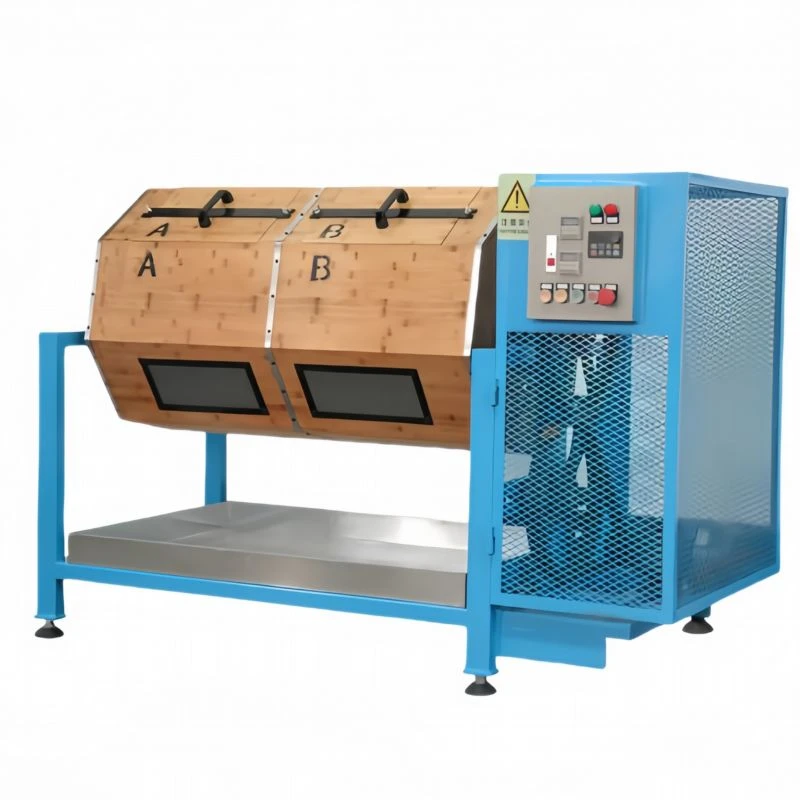
Let’s start with a technology that’s quietly transforming how we separate solids from liquids at the most basic stage of treatment: advanced membrane bioreactors, or MBRs, but not the MBRs you might have seen 10 years ago. Early MBRs had maintenance headaches—clogged membranes, frequent replacement, high energy bills—and a lot of facilities stuck with older activated sludge systems for that exact reason. The new generation fixes almost all of that. The key upgrade is the use of hollow fiber membranes with integrated self-cleaning micro-pores, paired with real-time AI sensors that measure flux (the rate water moves through the membrane) and backwash automatically when they detect even minor debris buildup. Last quarter, we retrofitted a MBR unit for a mid-sized beverage plant that was spending $12,000 a year on membrane replacements and chemical cleaning. The new system cut their replacement costs by 72% and reduced energy use for that process by 28% because it only runs backwashes when needed, not on a fixed schedule. What’s more, the effluent from these new MBRs is so clear and low in contaminants that it doesn’t need additional polishing for non-potable reuse—like irrigating factory grounds or even flushing toilets. That’s a game-changer for facilities in drought-prone areas where pulling municipal water is getting more expensive every year.
Next, moving beyond primary and secondary treatment, we have something called electrochemical oxidation, or ECO, systems. For decades, removing stubborn, trace contaminants from wastewater—like pharmaceutical residues, PFAS (forever chemicals), microplastics, and heavy metals—required adding harsh chemicals that created new waste streams or filtering through expensive activated carbon that needed frequent replacement. ECO works by using low-voltage electrical currents across specialty electrodes (usually made from coated titanium, not plain steel) to trigger chemical reactions that break those contaminants down at the molecular level, not just trap them. We installed a pilot ECO system at a pharmaceutical manufacturing site last year that was struggling to meet new EPA limits for trace antibiotics in its discharge. Before, they were switching out carbon filters every 10 days and still missing limits 15% of the time. The ECO system runs continuously, uses 30% less energy than their old carbon process once scaled, and has cut their contaminant levels to 98% compliance. The best part? It doesn’t create any solid waste to dispose of—just water and harmless byproducts like carbon dioxide and water. We’re also seeing ECO used for industrial facilities dealing with PFAS, which has been a huge headache for so many clients because most older technologies can’t break those molecules down at all.
Now, the one technology that’s been the most talked about in our client meetings over the past two years is AI-powered process optimization and predictive maintenance. But let’s be clear—this isn’t just slapping a fancy app on an old tank. We’re talking about fully integrated sensor networks that measure everything from dissolved oxygen levels in aeration tanks to pH, temperature, and even the type of organic compounds in the water in real time, feeding that data into a machine learning model that adapts the entire treatment process automatically. For example, aeration is one of the biggest energy draws in any wastewater plant—often 40-50% of total energy costs. Traditionally, operators set aeration rates based on average daily data, which means they’re either over-aerating when contaminant levels are low (wasting energy) or under-aerating during peak load times (causing poor treatment). The AI models adjust aeration minute by minute based on actual incoming wastewater load—like when a food processing plant flushes a batch of fruit pulp or a chemical plant discharges a temporary waste stream. We implemented this at a 10-million-gallon-per-day municipal plant in Ohio last year, and they cut their annual energy bills by $1.2 million in the first 12 months, while improving effluent compliance from 96% to 99.8%. The predictive maintenance part of this is even more valuable: the AI can flag when a pump or aeration blower is going to fail 2-4 weeks before it actually breaks, so we can schedule repairs during off-hours instead of dealing with unplanned shutdowns that can cost facilities tens of thousands of dollars per day in lost production. For food and beverage clients, where downtime means lost product and missed delivery deadlines, this has been the biggest selling point.
Wait, I can’t talk about latest wastewater tech without mentioning decentralized, containerized treatment systems. For a long time, large facilities had to build on-site treatment plants that took months or even years to design and install, especially if they were in a rural or industrial park setting where connecting to a municipal sewer was expensive. Now, we’re shipping fully assembled, pre-tested treatment units in standard shipping containers that can be installed on-site in 2-4 weeks, fully operational in another two weeks. These aren’t one-size-fits-all either—we program them for specific wastewater types: food processing, textile manufacturing, even small municipal projects. Last year, we worked with a craft brewery in Colorado that was outgrowing its small existing treatment system and couldn’t afford to wait 6 months for a custom build. We dropped a 40-foot containerized MBR system on their property in just 18 days, and it’s been running perfectly for 10 months, treating their spent grain wastewater and reusing 60% of it for equipment cleaning. The cost was 35% less than a custom build, and the payback period was only 2.7 years, compared to 5 years for traditional systems. Decentralized systems also have the added benefit of being able to be moved if a facility expands or relocates, which is huge for startup manufacturing operations that are still finding their footing.
One trend I’m especially excited about is the integration of circular economy principles into wastewater treatment, which is turning wastewater from a waste product into a resource. It’s not just about reuse for non-potable purposes anymore—we’re now treating wastewater to a standard that allows it to be used for crop irrigation, and in some cases, even advanced purification for potable reuse, though that’s still rare. More immediately, we’re capturing biogas from anaerobic digestion of sludge, a byproduct of treatment, to power the entire treatment plant or even sell it back to the grid. A municipal plant we work with in Indiana produces enough biogas to cover 80% of its own energy needs, and last year started feeding excess biogas into a local pipeline for local businesses to use for heating. We’re also recovering resources from wastewater itself: phosphorus, which is a non-renewable resource used in fertilizer, can be extracted from sludge in the form of struvite, a mineral that can be sold to agricultural companies. We’ve installed a phosphorus recovery system at a fertilizer manufacturing plant, and they now generate $25,000 a year in revenue from struvite that would have otherwise been sent to a landfill. That’s the biggest shift in our industry in the last decade—going from treating water as a cost to managing, to treating it as a resource that can generate value.
Now, I want to be honest with you: none of these technologies work in a vacuum. We’ve seen facilities drop a new MBR or ECO system and still miss targets because they didn’t adjust their operations or train their staff to use the new tools. That’s why our company doesn’t just sell equipment—we provide end-to-end support: on-site training for operators, 24/7 remote monitoring for our clients’ systems, and ongoing optimization as regulations or wastewater compositions change. For example, when that pharmaceutical client installed their ECO system, we sent our senior process engineer to train their operators for three weeks, and we still check in remotely every month to adjust the system as their production changes. A lot of suppliers just drop off equipment and leave, but in our experience, that leads to 20-30% lower performance than the system is capable of.
If you’re a facility manager, operations director, or municipal water official reading this, you’re probably dealing with some combination of rising energy costs, stricter discharge limits, water scarcity pressures, or the need to reuse water to cut expenses. The latest technologies I’ve talked about here aren’t just shiny new toys—they’re proven solutions that have been installed hundreds of times across North America, with concrete results: lower costs, better compliance, and turning wastewater into a resource. We’ve helped clients cut their operational costs by 25-40% while improving their treatment performance, and most see a payback on their investment in 3-5 years.
If you’re ready to talk about what these technologies could look like for your facility, or have questions about how to upgrade your current system without the hassle of downtime or high upfront costs, we’d be happy to walk through your specific needs. We work with facilities of all sizes, from small restaurants to large industrial manufacturers, and every project is customized to your wastewater type, goals, and budget.
Vibratory Finishing Machine References
- American Water Works Association. (2023). Advanced Membrane Bioreactor Technology for Industrial Wastewater Reuse. AWWA Research Foundation.
- U.S. Environmental Protection Agency. (2024). Electrochemical Oxidation for Trace Contaminant Removal in Industrial Wastewater. EPA Office of Water.
- Water Environment Federation. (2023). AI and Predictive Analytics for Municipal Wastewater Treatment Optimization. WEFTEC Technical Report.
- Global Water Intelligence. (2024). Decentralized Wastewater Treatment Market Report: Containerized and Modular Systems. GWI.
- International Water Association. (2023). Circular Economy in Wastewater: Resource Recovery and Reuse Case Studies. IWA Publishing.
KS Lab Finishing Co., Ltd.
As one of the most professional waste water treatment manufacturers in China, we also support customized service. We warmly welcome you to wholesale durable waste water treatment made in China here from our factory. If you have any enquiry about pricelist, please feel free to email us.
Address: No.11-14, Yantian Shuibei Commercial Street, Fenggang Town,Dongguan,China
E-mail: sales@kslabfinishing.com
WebSite: https://www.kslabfinishing.net/
