Alright, let’s keep this real. I’m one of those Sinotruck parts suppliers you’ve probably bumped into at truck stops or online forums—you know, the guy who’s not here to push cheap knockoffs or act like recycling is some fancy buzzword. Over the last 8 years, I’ve seen a lot of old Sinotruck parts get tossed because people think they’re useless, or they don’t know how to handle them right. Let’s cut the crap: tossing a worn-out Sinotruck engine block or transmission isn’t just bad for the planet—it’s a waste of money. Today, I’m breaking down exactly how to recycle old Sinotruck parts, no corporate jargon, just stuff I’ve actually tested myself. Sinotruck Parts
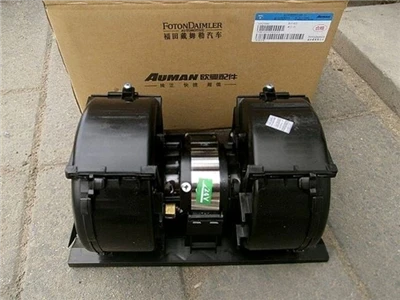
First off, let’s get one thing straight: not every old Sinotruck part is “trash.” I had a customer last month who brought in a 2018 Sinotruck howo camshaft that the mechanic said was “scrap” because of a tiny wear ridge. We sanded that ridge, balanced it, and sold it as a remanufactured part for half the price of a new one. That’s way better than melting it down and wasting all that metal. But let’s start with the basics: sorting, because if you throw a rubber fuel line and a steel crankshaft in the same bin, you’re making a mess for everyone.
Step 1: Sort your old Sinotruck parts like you mean it (no guessing here).
I see so many people toss everything into a single barrel and then wonder why recyclers charge them a “contamination fee” that’s half the part’s value. Sinotruck parts fall into three main categories that matter for recycling, and I’ve got a cheat sheet I hand out to all my regulars:
- Ferrous metal parts: Think engine blocks, crankshafts, transmission housings, axle beams, exhaust manifolds. These are made of steel or iron, and they’re the easiest (and most valuable) to recycle. One tip here: drain all oil, coolant, and fuel before dropping them off. Even a quart of oil can ruin a whole batch of ferrous scrap. I learned that the hard way—back in 2019, I dropped off a bin of engine blocks with leftover oil, and the recycling place made me clean every single one. Total waste of 3 hours.
- Non-ferrous metal parts: This is the stuff that has actual resale value, so don’t mix it with steel. Think aluminum cylinder heads, alternators, starters, power steering pumps, brass fittings from fuel lines. These are worth more per pound than steel, so separating them is non-negotiable. Pro move: pop the plastic and rubber off alternators/starters first—we used to pay extra for parts with wires still on them, until we realized we could strip the copper out ourselves for more money.
- Non-metal/rubber parts: Rubber hoses, gaskets, plastic fuel tanks (wait, no—plastic fuel tanks can be tricky. Some recyclers take hard plastic like tank housings, but soft rubber (tires, hoses) usually has a different process. And yes, even old brake pads—some have metal, some have friction material, so those go in their own small bin.
No exceptions here. Last week, a guy dumped a plastic gas can full of old brake pads into my ferrous bin, and I had to pull every brake pad out before sending it to the recycler. Don’t be that guy.
Step 2: Know where to take old Sinotruck parts (not just your local landfill—please).
Let’s stop treating landfills like the only option. There are three places I trust for Sinotruck parts recycling, and I’ve used all of them over the years:
- Specialized metal scrap yards with industrial lifting equipment: Not every scrap yard will take heavy Sinotruck parts like engine blocks or transmission housings. I only work with yards that have cranes and forklifts, because dragging a 500lb axle by hand is a fast way to get hurt. These yards pay by the pound, but make sure they specialize in commercial truck parts—some only take residential scrap, so they’ll lowball you or refuse Sinotruck parts entirely.
- Sinotruck-specific parts recyclers (aka “pull and save” yards): This is my go-to for parts that are still usable. I send a lot of old, worn-but-repairable Sinotruck parts to these yards, where they inspect them, clean them up, and sell them to small fleet owners who can’t afford new parts. Last year, we sent 12 old Sinotruck injector assemblies to a recycler in Texas, and they turned them into used parts that went to 8 different owner-operators. That’s way better than melting them.
- Sinotruck authorized remanufacturing facilities: If you have parts that are too worn for reuse but still have usable cores (like engine blocks or transmissions), these facilities will take them off your hands for free, or even pay you a little. Wait, yes—remanufacturers need cores to build new parts. I send them all my core parts, and sometimes I get a $20-$50 check per part, which covers a nice lunch. Win-win. Pro tip: Don’t try to “improve” a part before sending it to a reman facility. Just drain the fluids and bring it as-is—they take it from there.
Step 3: Avoid these common recycling mistakes that cost you money (I’ve made all of them).
Let’s get real—even after 8 years, I still mess up sometimes, but these are the mistakes that will make you lose out or hurt the planet:
- Mistake 1: Not draining all fluids. I already mentioned this, but it’s worth repeating. Oil, coolant, diesel, even brake fluid—if you leave these in, you’ll get charged a cleaning fee, and some recyclers will refuse to take the part at all. A few months back, a customer brought in an old Sinotruck air compressor with a full tank of hydraulic fluid. The scrap yard turned him away, so he left it with me. I had to drain it into a proper waste container, and that took an hour. Don’t do that.
- Mistake 2: Breaking parts apart unnecessarily. I see people taking apart alternators, starters, and even small engine parts, trying to “sort for more money.” Most of the time, it’s not worth the time. Recycling yards pay about the same for a whole alternator as they do for the separated copper and steel inside. The only exception is if you can strip the copper wires off—copper is worth way more, so that’s worth the 5 minutes it takes.
- Mistake 3: Tipping “too small” parts. If you have a tiny old Sinotruck sensor or a small bolt bin, don’t bother taking them to the scrap yard. They’re too small to be worth anything, and they’ll just get lost. Instead, keep them in a labeled bin at your shop—small fleet owners will buy small hardware in bulk, or you can donate them to local trucking schools. I’ve got a bin labeled “Sinotruck small parts” that I give away for free to anyone who needs them—no point in recycling a $0.50 bolt.
- Mistake 4: Forgetting about electronic parts. Sinotruck parts these days have a lot of electronics: ECUs (engine control units), sensor modules, wiring harnesses. These have precious metals like gold and silver inside, so don’t toss them with regular metal. Most electronics recycling centers will take them for free, or even pay a little. Last year, I collected a bin of old Sinotruck ECUs from a shop upgrade, and a recycler paid me $120 for them. That’s cash I wouldn’t have had if I tossed them.
Wait, what about parts that are too damaged to recycle? Like a Sinotruck frame that’s bent so bad it can’t be straightened, or an engine block with a cracked cylinder wall. Even those have value. I sell those to companies that crush metal into “secondary raw material” for construction projects—like building bridges or metal beams. That’s still better than sending it to a landfill. I had a cracked Sinotruck frame from a 2015 howo last year, and I sold it for $180 as scrap. Not a huge amount, but it covered the gas to drop it off.
Now, a quick note for my fellow Sinotruck parts folks (and owner-operators, too). I know a lot of people think recycling is a hassle, especially when you’re in a hurry to get a truck back on the road. But think about it: if you recycle that old transmission instead of buying a new one, you save hundreds of dollars. And if you keep that metal out of a landfill, you’re helping keep the planet from getting cluttered with truck parts that take decades to break down.
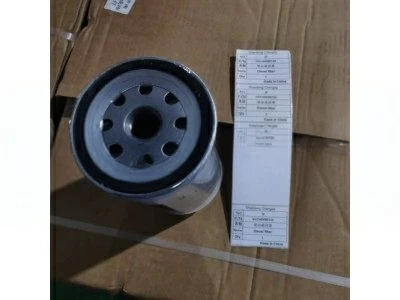
Last thing I want to say: if you’re not sure where to take your old Sinotruck parts, or you have a pile sitting in your shop that you don’t know what to do with, hit me up. I run a small Sinotruck parts supply business, and I help folks sort and dispose of their old parts for a fair rate—sometimes even pick up larger orders. No sales pitch, no fancy website, just a guy who’s been in the Sinotruck parts game long enough to know how to get rid of old parts the right way, and save you a little cash while you’re at it.
Sinotruck Parts References:
- United States Environmental Protection Agency. (2022). Recycling of Industrial Metal Parts and Components. Retrieved from EPA Sustainable Materials Management
- Sinotruck Group Co., Ltd. (2021). Remanufacturing Guidelines for Sinotruck Original Parts. Retrieved from Sinotruck Official Aftermarket Documentation
- Institute of Scrap Recycling Industries. (2023). Commercial Vehicle Scrap Recycling Best Practices. Retrieved from ISRI Technical Resources
- California Air Resources Board. (2020). Proper Disposal and Recycling of Automotive and Truck Fluids. Retrieved from CARB Mobile Source Pollution Control Division
Jinan Hong’an Machinery Parts Co., Ltd.
As one of the most professional sinotruck parts manufacturers and suppliers in China, we offer a wide range of products with superior quality. With abundant experience, we warmly welcome you to buy high quality sinotruck parts for sale here from our factory. For price consultation, contact us.
Address: Quanli Heavy Truck Parts City, No. 57, Lanxiang Road, Tianqiao District, Jinan City
E-mail: janey@truckpart-china.com
WebSite: https://www.truckpart-china.com/
