How to choose the right mold steel for a cap mold?
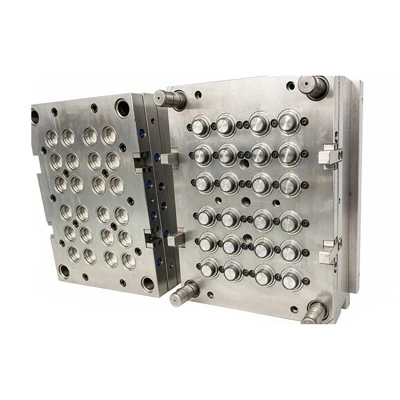
As a cap mold supplier with years of experience in the industry, I understand the critical role that mold steel plays in the production of high – quality cap molds. The choice of mold steel can significantly impact the mold’s performance, durability, and cost – effectiveness. In this blog post, I’ll share some insights on how to select the appropriate mold steel for a cap mold. Cap Mold
Understanding the Requirements of Cap Molds
Before delving into the selection of mold steel, it’s essential to understand the specific requirements of cap molds. Cap molds are used to produce various types of caps, such as bottle caps, jar caps, and cosmetic caps. These molds need to meet several criteria:
- Precision: Caps often require high precision in terms of dimensions and shape to ensure a proper fit on the containers. The mold must be able to reproduce the cap’s design accurately.
- Surface Finish: A smooth surface finish on the cap is crucial for both aesthetic and functional reasons. The mold steel should be capable of achieving and maintaining a high – quality surface finish.
- Wear Resistance: Cap molds are subjected to repeated injection molding cycles, which can cause wear on the mold surface. Good wear resistance is necessary to ensure a long service life of the mold.
- Corrosion Resistance: Depending on the type of plastic used in cap production, the mold may be exposed to corrosive substances. Corrosion – resistant mold steel can prevent damage to the mold and maintain its performance.
- Thermal Conductivity: Efficient heat transfer is important for reducing cycle times and improving the quality of the molded caps. Mold steel with good thermal conductivity can help in achieving this.
Types of Mold Steel Suitable for Cap Molds
There are several types of mold steel that are commonly used in cap mold manufacturing. Here are some of the most popular ones:
- P20 Steel: P20 is a pre – hardened mold steel that is widely used for cap molds. It offers good machinability, which means it can be easily shaped into the required mold design. P20 also has decent wear resistance and can achieve a good surface finish. It is suitable for medium – to high – volume production of caps. However, its corrosion resistance is relatively limited, so it may not be the best choice if the mold will be exposed to corrosive plastics.
- H13 Steel: H13 is a hot – work tool steel that is known for its excellent heat – checking resistance and high toughness. It can withstand the high temperatures and pressures involved in injection molding processes. H13 steel has good wear resistance and can maintain its hardness at elevated temperatures. This makes it a great option for cap molds used in high – volume production, especially when the molding process involves high – temperature plastics.
- S136 Steel: S136 is a corrosion – resistant stainless mold steel. It offers superior corrosion resistance compared to P20 and H13. This makes it ideal for cap molds used with corrosive plastics or in environments where the mold may be exposed to moisture. S136 also has good polishability, which is important for achieving a smooth surface finish on the caps. However, it is generally more expensive than P20 and H13.
Factors to Consider When Choosing Mold Steel
When selecting the right mold steel for a cap mold, the following factors should be taken into account:
- Production Volume: If you are producing caps in low volumes, a less expensive mold steel like P20 may be sufficient. However, for high – volume production, a more durable and wear – resistant steel such as H13 may be a better investment in the long run.
- Type of Plastic: Different plastics have different properties, such as melting points, viscosity, and chemical composition. Some plastics may be more abrasive or corrosive than others. For example, if you are using a corrosive plastic like PVC, a corrosion – resistant steel like S136 would be a wise choice.
- Mold Complexity: Complex cap designs may require a mold steel with good machinability. P20 is often a good option for complex molds because it can be easily machined into intricate shapes. On the other hand, if the mold has relatively simple geometry, other factors such as wear and corrosion resistance may take precedence.
- Budget: Cost is always a factor in any manufacturing decision. While high – performance mold steels like H13 and S136 offer better properties, they are also more expensive. You need to balance the performance requirements of the mold with your budget.
Testing and Quality Assurance
Once you have selected a mold steel for your cap mold, it’s important to conduct proper testing and quality assurance measures. This includes:
- Material Inspection: Before using the mold steel, it should be inspected for any defects, such as cracks, inclusions, or improper hardness. This can be done through non – destructive testing methods like ultrasonic testing or magnetic particle testing.
- Heat Treatment: Proper heat treatment is crucial for achieving the desired properties of the mold steel. The heat treatment process should be carefully controlled to ensure that the steel has the right hardness, toughness, and wear resistance.
- Trial Runs: After the mold is manufactured, it’s a good idea to conduct trial runs with the actual plastic material. This can help you identify any issues with the mold’s performance, such as short shots, flash, or poor surface finish. Adjustments can then be made to the mold or the molding process as needed.
Conclusion
Choosing the right mold steel for a cap mold is a complex decision that requires careful consideration of various factors, including the production volume, type of plastic, mold complexity, and budget. By understanding the specific requirements of cap molds and the properties of different mold steels, you can make an informed choice that will result in a high – quality, long – lasting mold.
Cap Mold As a cap mold supplier, I have extensive experience in helping customers select the most suitable mold steel for their specific needs. If you are in the market for cap molds and need assistance with mold steel selection or have any other questions related to cap mold manufacturing, I’d be more than happy to help. Contact us to start a discussion about your cap mold requirements and let’s work together to find the best solution for your business.
References
- "Tool and Die Making Handbook" by Peter H. Nachtigall
- "Mold Making Technology" magazine, various issues on mold steel selection
- Industry whitepapers on injection molding and mold steel properties
Taizhou Koni Mould Co., Ltd.
As one of the most professional cap mold manufacturers and suppliers in China, we also support customized service. Please feel free to wholesale high quality cap mold made in China here from our factory. For pricelist, contact us now.
Address: No. 97 Jinju Road, Chengjiang Subdistrict, Huangyan District, Taizhou City, Zhejiang Province
E-mail: kn@kenimould.com
WebSite: https://www.kenimouid.com/
