Hey there! I’m a supplier of finned tubes, and I’ve been in this business for quite some time. Finned tubes are pretty cool components, but they don’t work in isolation. They interact with other parts in a system, and that’s what I want to talk about today. Finned Tube
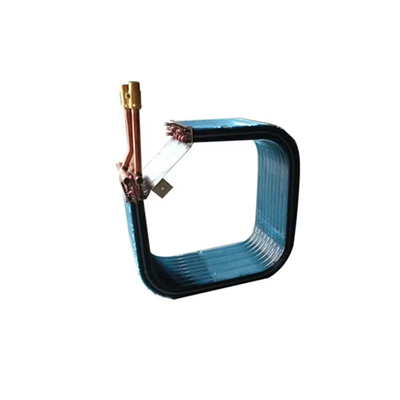
Let’s start by understanding what finned tubes are. A finned tube is basically a tube with fins attached to its outer surface. These fins increase the surface area of the tube, which helps in better heat transfer. They’re used in all sorts of applications, from HVAC systems to industrial heat exchangers.
One of the most common components that finned tubes interact with is the fan or blower. In a forced – air system, the fan blows air over the finned tubes. The increased surface area provided by the fins allows more air to come into contact with the tube. This is great for heat transfer. When the hot fluid inside the tube is trying to cool down, the air passing over the fins takes away the heat. And vice – versa, when we want to heat the air, the hot tube transfers its heat to the air through the fins.
The efficiency of this interaction depends on a few things. First, the speed of the fan matters. If the fan is blowing air too fast, the air might not have enough time to pick up or lose heat properly. On the other hand, if it’s too slow, the heat transfer rate will be low. We also have to consider the design of the fins. Different fin shapes and densities affect how well the air can flow around them. For example, a closely – spaced fin design might have a higher surface area, but it could also cause more air resistance.
Another important interaction is with the heat source or heat sink. In an industrial process, the finned tube might be connected to a boiler, which provides hot water or steam. The hot fluid then flows through the tube. The fins help in quickly dissipating the heat to the surrounding environment. In a refrigeration system, the finned tube acts as an evaporator or condenser, interacting with the refrigerant. The refrigerant changes its state (from liquid to gas or vice – versa) inside the tube, and the fins help in the heat exchange process.
The material of the finned tube also plays a role in its interaction with the heat source or sink. Copper finned tubes are great conductors of heat, so they work well when you need fast heat transfer. Aluminum is also popular because it’s lightweight and corrosion – resistant. The choice of material depends on the specific requirements of the system, like the temperature range, the nature of the fluid inside the tube, and the corrosion potential of the environment.
In a heat exchanger system, finned tubes interact with headers and tubesheets. The headers are like collection chambers that distribute the fluid evenly among the tubes. They ensure that each finned tube gets the right amount of fluid for proper heat transfer. The tubesheets hold the tubes in place. They need to be strong enough to withstand the pressure inside the tubes and the forces exerted during the heat exchange process. A good connection between the finned tubes and the headers and tubesheets is crucial for the overall performance of the heat exchanger.
When it comes to control systems, temperature sensors and valves interact with finned tubes. The temperature sensors monitor the temperature of the fluid inside the tube or the air around it. Based on the readings, the control system can adjust the flow of the fluid through the tube using valves. For example, if the temperature is too high, the valve can be opened wider to allow more of the cooling fluid to pass through the finned tube. This kind of interaction ensures that the system operates at an optimal temperature.
Now, the interaction between finned tubes and the piping system is also significant. The pipes that connect the finned tubes to other components need to be properly sized and installed. The diameter of the pipes affects the flow rate of the fluid. If the pipes are too small, there will be a high pressure drop, which can reduce the efficiency of the system. And if they’re too large, the fluid might not flow with enough velocity to transfer heat effectively.
In a practical scenario, imagine a large – scale industrial drying process. Finned tubes are part of the heating system. They’re connected to a steam generator which provides the hot steam. Fans blow air over the finned tubes, and the heated air is then directed into the drying chamber. Temperature sensors are placed in the chamber and near the finned tubes. The control valves adjust the steam flow based on the temperature readings. The pipes connecting the steam generator to the finned tubes and the finned tubes to the rest of the system need to be leak – free and well – insulated. If any of these components don’t work together properly, the drying process will be inefficient, and it could cost a lot of money.
As a finned tube supplier, I know that getting all these interactions right is crucial for the success of a system. That’s why I work closely with my customers to understand their specific needs. I can help them choose the right type of finned tubes, considering factors like the application, the operating conditions, and the budget.
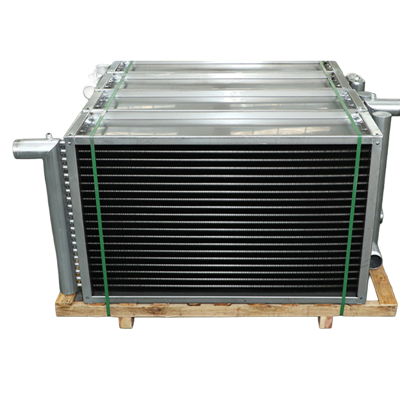
If you’re in the market for finned tubes, whether it’s for a small – scale HVAC project or a large – scale industrial application, I’d love to have a chat with you. We can discuss how the finned tubes will interact with the other components in your system and make sure you get the best – performing solution. Don’t hesitate to reach out for a procurement discussion. I’m here to make sure that your system runs smoothly and efficiently with the right finned tubes.
Finned Tube References:
- Incropera, F. P., & DeWitt, D. P. (1996). Fundamentals of Heat and Mass Transfer. Wiley.
- Holman, J. P. (2002). Heat Transfer. McGraw – Hill.
Xiangshui Derkang Refrigeration Equipment Co., Ltd.
As one of the most professional finned tube manufacturers in China, we’re featured by quality products and low price. If you’re going to buy discount finned tube, welcome to get quotation from our factory. We also accept customized orders.
Address: No. 2, Xiaojian Town Entrepreneurship Park, Xiangshui County
E-mail: 505745223@qq.com
WebSite: https://www.xsderk.com/
