Hey there! I’m a supplier of Ultrasonic Impedance Analyzers. These gadgets are super useful in all sorts of industries, like medical, manufacturing, and R&D. They help measure the electrical impedance of ultrasonic transducers and other components. But just like any piece of tech, they can sometimes act up. In this blog, I’m gonna share some tips on how to troubleshoot an Ultrasonic Impedance Analyzer. Ultrasonic Impedance Analyzer

1. First, Check the Basics
When you notice something’s off with your analyzer, start with the simple stuff. First, look at the power connection. Make sure the power cord is properly plugged into both the analyzer and the electrical outlet. Sometimes, a loose plug can cause all kinds of problems, like the analyzer not turning on or shutting down unexpectedly.
Also, check the voltage. Most analyzers are designed to work within a specific voltage range. If the voltage in your area is too high or too low, it can mess with the device’s performance. You might need to use a voltage stabilizer to keep things in check.
Another basic thing is the cables. Inspect all the cables connecting the analyzer to the transducers or other equipment. Look for any signs of damage, like frayed wires or bent connectors. A damaged cable can lead to inaccurate measurements or even prevent the analyzer from communicating with the transducers. If you find a bad cable, replace it right away.
2. Software and Firmware Issues
A lot of modern Ultrasonic Impedance Analyzers rely on software to function properly. Sometimes, software glitches can cause problems. The first thing you can do is to restart the analyzer and the computer (if it’s connected to one). This simple step can often fix minor software issues.
Check if there are any software updates available. Manufacturers usually release updates to fix bugs, improve performance, and add new features. Updating the software can sometimes solve a whole bunch of problems. You can usually find the latest software version on the manufacturer’s website. Just follow the instructions to download and install it.
If the problem persists after updating the software, there might be an issue with the firmware. Firmware is the software that’s built into the analyzer’s hardware. Updating the firmware can be a bit more complicated than updating the regular software, so make sure you follow the manufacturer’s instructions carefully. You might need to use a special tool or connect the analyzer to a specific device to perform the update.
3. Calibration Problems
Calibration is crucial for getting accurate measurements from your Ultrasonic Impedance Analyzer. If the analyzer is not calibrated correctly, the measurements it gives will be off. Most analyzers come with a calibration procedure that you need to follow regularly.
First, check if the calibration standards you’re using are still good. Calibration standards are like reference points that the analyzer uses to make accurate measurements. Over time, these standards can degrade or become damaged. If you suspect that the calibration standards are bad, you’ll need to replace them.
When you’re performing the calibration, make sure you follow the procedure exactly as described in the user manual. Any small deviation can lead to inaccurate calibration. If you’re not sure how to calibrate the analyzer, you can contact the manufacturer’s support team. They’ll be able to walk you through the process.
4. Hardware Malfunctions
If you’ve checked all the above things and the problem still exists, there might be a hardware malfunction. The first thing you can do is to look for any visible signs of damage on the analyzer. Check for things like broken buttons, cracked screens, or loose parts. If you find any damage, you’ll need to have it repaired or replaced.
Sometimes, the problem can be with the internal components of the analyzer. For example, the power supply might be failing, or the circuit board might have a problem. If you’re not experienced with electronics, it’s best not to try to open the analyzer and fix the problem yourself. Instead, contact the manufacturer’s support team or a professional repair service. They have the tools and expertise to diagnose and fix hardware problems.
5. Environmental Factors
The environment where the analyzer is used can also affect its performance. For example, extreme temperatures, humidity, or dust can cause problems. Make sure the analyzer is placed in a clean, dry, and well-ventilated area. Avoid exposing it to direct sunlight or extreme heat.
If the analyzer is in a dusty environment, you might need to clean it regularly. Use a soft, dry cloth to wipe the outside of the analyzer. You can also use compressed air to blow out any dust that might have gotten inside. Just be careful not to damage any of the components.
6. Communication Issues
If the analyzer is connected to a computer or other devices, communication issues can sometimes occur. First, check the communication settings on both the analyzer and the connected device. Make sure they are configured correctly.
If you’re using a wireless connection, check the signal strength. A weak signal can cause communication problems. You might need to move the analyzer closer to the router or other wireless device. If you’re using a wired connection, check the cable for any damage.
7. Error Messages
Most Ultrasonic Impedance Analyzers display error messages when something goes wrong. These messages can be really helpful in diagnosing the problem. When you see an error message, check the user manual or the manufacturer’s website for more information. The manual usually has a list of error messages and their possible causes.
If you can’t figure out what the error message means or how to fix the problem, don’t hesitate to contact the manufacturer’s support team. They can often help you troubleshoot the problem based on the error message.
Why Our Ultrasonic Impedance Analyzers are a Great Choice
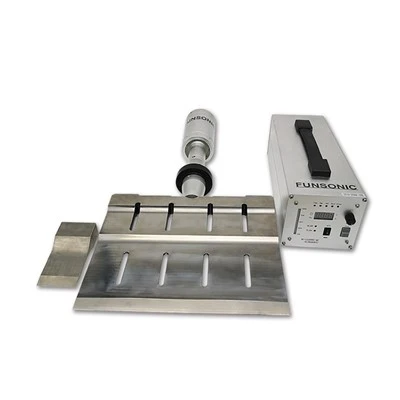
We’ve been in the business of supplying Ultrasonic Impedance Analyzers for a long time, and we know what it takes to make a reliable and high-quality product. Our analyzers are built with the latest technology and are designed to be easy to use. We offer excellent customer support, so if you ever run into any problems, our team is here to help you.
Ultrasonic Spray Coating Machine If you’re in the market for an Ultrasonic Impedance Analyzer or are looking to troubleshoot your existing one, don’t hesitate to reach out. We’re more than happy to have a chat with you about your needs and how we can help. Whether you’re a small research lab or a large manufacturing company, we’ve got the right solution for you. So if you’re interested in purchasing or have any questions about our products, contact us today and let’s start a conversation!
References
- User manuals of Ultrasonic Impedance Analyzers
- Technical documentation from related electronic component manufacturers
Hangzhou Shengtu Technology Co., Ltd.
Hangzhou Shengtu Technology Co., Ltd. is one of the most professional ultrasonic impedance analyzer manufacturers and suppliers in China, featured by quality products and low price. Please rest assured to buy ultrasonic impedance analyzer for sale here from our factory. Also, customized service is available.
Address: No.16, Changtai Street, Changkou Town, Fuyang District, Hangzhou, Zhejiang, China 311400
E-mail: tina@fun-sonic.com
WebSite: https://www.ultrasonic-coating.com/
