Hey there! I’m a supplier of composite fabric, and today I wanna chat about how the weight of composite fabric is determined. It’s a topic that might seem a bit technical at first, but I’ll break it down in a way that’s easy to understand. Composite Fabric
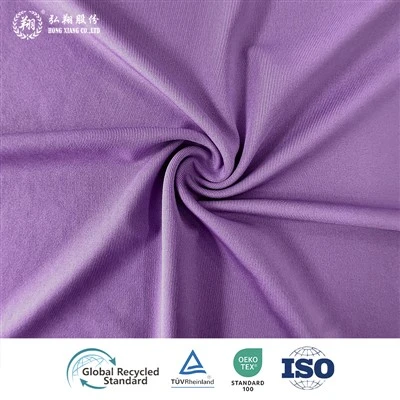
What is Composite Fabric?
Before we dive into the weight determination, let’s quickly go over what composite fabric is. Composite fabric is made by combining two or more different materials to create a new fabric with enhanced properties. These materials can be anything from fibers like polyester, nylon, or carbon fiber to other substances such as resins or foams. The combination allows us to get the best of both worlds, so to speak, like having a fabric that’s strong, lightweight, and has good resistance to wear and tear.
Why is Weight Important?
The weight of composite fabric is a crucial factor for a bunch of reasons. For one, it affects the performance of the final product. If you’re making something like a sail for a boat, a lighter fabric will make the sail easier to handle and more responsive to the wind. On the other hand, if you’re using the fabric for something like protective gear, a heavier fabric might be better because it can offer more protection.
Weight also matters when it comes to cost. Heavier fabrics usually use more raw materials, which can drive up the price. And in some industries, like aerospace, weight is a big deal because every extra pound can increase fuel consumption and operating costs.
Factors Affecting the Weight of Composite Fabric
Raw Materials
The type and amount of raw materials used in the composite fabric play a huge role in determining its weight. Different fibers have different densities. For example, carbon fiber is much lighter than steel, but it’s also very strong. So, if you use a lot of carbon fiber in your composite fabric, it’s likely to be lighter compared to a fabric that uses a heavier fiber like fiberglass.
Resins are another important component. The type of resin and how much of it is used can impact the weight. Some resins are denser than others, and if you use a large amount of a dense resin, it will add to the overall weight of the fabric.
Manufacturing Process
The way the composite fabric is made can also affect its weight. There are different manufacturing processes, such as hand lay-up, resin transfer molding, and automated fiber placement. Each process has its own way of applying the materials and can result in different amounts of resin and fiber being used.
For example, in hand lay-up, workers manually place the fibers and apply the resin. This can sometimes lead to variations in the amount of resin used, which can affect the weight. On the other hand, automated processes are more precise and can control the amount of materials more accurately, resulting in a more consistent weight.
Thickness
The thickness of the composite fabric is directly related to its weight. Generally, the thicker the fabric, the heavier it will be. This is because there’s more material in a thicker fabric. However, it’s not always a straightforward relationship. The density of the materials also matters. A thin fabric made from a very dense material can be heavier than a thicker fabric made from a lighter material.
Methods of Determining the Weight of Composite Fabric
Sampling
One of the most common ways to determine the weight of composite fabric is by taking samples. We cut a small piece of the fabric, usually a square or a rectangle, and measure its area. Then we weigh the sample using a precise scale. To get the weight per unit area, we divide the weight of the sample by its area.
For example, if we cut a 1-square-meter sample of fabric and it weighs 500 grams, then the weight per unit area is 500 grams per square meter. This method is relatively simple and gives us a good idea of the average weight of the fabric.
Calculation Based on Material Composition
Another way to determine the weight of composite fabric is by calculating it based on the material composition. We know the density of each material used in the fabric, and we also know the amount of each material. By multiplying the density of each material by the amount used and then adding up these values, we can get an estimate of the total weight of the fabric.
For example, if we have a fabric made of 60% carbon fiber and 40% resin, and we know the density of carbon fiber is 1.8 grams per cubic centimeter and the density of the resin is 1.2 grams per cubic centimeter, we can calculate the weight based on the volume of each material in the fabric.
Quality Control and Weight Consistency
As a composite fabric supplier, we pay a lot of attention to weight consistency. We want our customers to get the same quality and weight in every batch of fabric they order. To ensure this, we have strict quality control measures in place.
We regularly take samples from different parts of the fabric roll and measure their weights. If we notice any significant variations, we investigate the cause. It could be a problem with the manufacturing process, such as an inconsistent application of resin or a variation in the fiber density.
We also work closely with our raw material suppliers to make sure the quality and properties of the materials are consistent. This helps us maintain the weight and other properties of the composite fabric.
Applications and Weight Requirements
Different applications have different weight requirements for composite fabric. Let’s take a look at a few examples.
Aerospace
In the aerospace industry, weight is a critical factor. Every extra pound can increase fuel consumption and reduce the aircraft’s performance. So, composite fabrics used in aerospace applications need to be as lightweight as possible while still maintaining high strength and durability. For example, carbon fiber composite fabrics are often used in aircraft wings and fuselages because they offer a good balance of strength and weight.
Automotive
In the automotive industry, composite fabrics are used for various purposes, such as interior trim, body panels, and structural components. The weight requirements depend on the specific application. For body panels, a lighter fabric can help reduce the overall weight of the vehicle, which can improve fuel efficiency. However, the fabric also needs to be strong enough to withstand impacts and vibrations.
Sports Equipment
Sports equipment manufacturers also use composite fabrics. For example, in tennis rackets, a lighter fabric can make the racket easier to swing, while in snowboards, a fabric with the right weight and stiffness can improve performance. The weight of the fabric is carefully chosen to meet the specific needs of each sport.
Conclusion
So, as you can see, determining the weight of composite fabric is a complex process that involves considering many factors, such as raw materials, manufacturing processes, and thickness. The weight of the fabric is important because it affects the performance, cost, and suitability for different applications.
Plain Knitted Fabric If you’re in the market for composite fabric and have specific weight requirements, I’d love to have a chat with you. We can discuss your needs and see how our composite fabrics can meet them. Whether you’re in the aerospace, automotive, or sports equipment industry, we have the expertise and the products to help you. Don’t hesitate to reach out and start a conversation about your composite fabric needs.
References
- "Composite Materials Handbook" by the Department of Defense
- "Advanced Composites Manufacturing" by David Hull and Terry Clyne
Zhejiang Hongxiang Textile Technology Co., Ltd.
Zhejiang Hongxiang Textile Technology Co., Ltd. is one of the most professional composite fabric manufacturers and suppliers in China. With abundant experience, we warmly welcome you to wholesale custom made composite fabric from our factory. If you have any enquiry about cooperation, please feel free to email us.
Address: No. 8, 12th Road, Warp Weaving Park, Maqiao Street, Haining City, Jiaxing City, Zhejiang Province
E-mail: gd@hongxiang888.cn
WebSite: https://www.h-xiang.com/
