Hey there, let’s cut to the chase—if you’re here googling “does Eye Base have any side effects,” chances are you’re either a clinic owner stocking eye care supplies, an optometrist testing new tools, or maybe even a patient who’s heard a rumor that this handy eye chart tool is sketchy. First off, full transparency: I’m a Eye Base supplier—been in this game for 7 years, restocking private practices and retail optical shops across the U.S. and Canada, so I’ve talked to every kind of person who uses this thing, from new grads still fumbling with visual acuity tests to veterans who’ve used nothing else for decades. Let’s ditch the overly technical jargon, skip the clickbait “HORRIFYING SIDE EFFECTS” headlines, and get real about what’s actually true, what’s myth, and what our team and the eye care community has seen firsthand. Eye Base

First, let’s set the basics straight for anyone who’s new: Eye Base is that standardized digital visual acuity chart (not a drug, not a surgical tool—important distinction) used to test how sharp someone’s vision is. It’s got those E’s that point up/down/left/right, C optotypes, even color vision plates built in, and it syncs to your eye care software so you don’t have to write numbers down mid-test. We started carrying it because so many clients complained about paper charts tearing, being too hard to read in low light, or having to reprint them every time a chart gets marked up. But the second we launched, we got that exact question—“wait, this isn’t just paper on a screen, is it bad for my eyes?”
Let’s tackle the actual side effects people ask about, one by one, because half the time people mix up Eye Base with blue light glasses or eye drops. First up: screen-related eye strain. If you’ve ever stared at a laptop or phone for 2 hours straight without a break, you know that dry eyes, fuzzy vision, and that heavy feeling behind your eyes are real. Guess what? Eye Base is a screen too—so why do people blame it specifically? We get that all the time. But here’s the thing: the side effect isn’t the Eye Base itself—it’s how it’s used, not the tool. I had a client in Detroit, a solo optometrist, who switched from paper to Eye Base 2 years ago and swore his dry eye patients were worse. Turns out he was setting the chart up too bright, making the exam room light match the screen’s glare, and never telling patients to blink more during the test. Once we walked him through our free quick tips (we send that out to every new client, fyi), he dropped a message saying his patients’ post-test complaints were cut by 80%.
Wait, what about more serious stuff? I’ve had a patient come in and say “my vision got worse after Eye Base was used” — no shade to that patient, but as a supplier, I can tell you that’s not a Eye Base side effect. Visual acuity tests aren’t changing your actual vision in 10 minutes—they’re just measuring what’s already there. A lot of times, people get an Eye Base test, then go get glasses a week later, and mix up timeline. Or some optometrists rush through the test, don’t let patients adjust, so the reading is off, but that’s operator error, not the tool. I should also mention: Eye Base is FDA-cleared, right? We don’t peddle unregulated junk—our suppliers work with ophthalmologists to test every unit, so it meets strict eye care standards. That’s non-negotiable for our brand; we’d never sell something that could cause harm.
Now, let’s talk about rare, actual side effects that our team (and the Eye Base developers) have documented—nothing scary, just small things that only happen in super specific cases. Last year, we got a handful of notes from practices using Eye Base in exam rooms that were way too small. If the screen is placed closer than the minimum required testing distance (usually 20 feet for standard charts), some people get temporary eye fatigue because their eyes have to strain to focus on a close target. That’s fixable—just move the chart back, or use the room’s adjustable distance setting if Eye Base has it (ours does, for exactly that reason). Another tiny issue: some older patients with light sensitivity say the LED backlight is too harsh. Again, super easy to fix—dim the screen, or switch to the low-glare mode, which almost all our Eye Base units come with. We’ve had developers test that low-glare setting, and it cuts blue light exposure by 40% vs. a standard laptop, so that’s actually less strain than some office screens.
Let’s bust a myth I see all over Reddit and eye care forums: people say Eye Base causes digital eye strain because it’s a screen, but paper charts have the same issue if you stare at them for 10+ minutes. When you stare at any target, you blink 50% less than normal—dry eyes, strain, that’s just human biology. It’s not the Eye Base’s fault. We even have a free resource for all our clients that walks them through the 20-20-20 rule (every 20 minutes, look at something 20 feet away for 20 seconds) specifically for when they’re using Eye Base. More than half of the practices that use our charts follow that, and we’ve gotten feedback that strain complaints dropped across the board.
Wait, what about kids? That’s a big one—pediatric optometrists love Eye Base because it’s interactive, but parents worry it’s bad for their kids’ eyes. Let me make this clear: there’s no long-term research linking Eye Base (or standardized digital eye charts) to any harm in kids. The American Optometric Association even has a note saying digital vision testing tools are safe for all ages, as long as they’re used correctly. I had a pediatric client in Chicago who started using Eye Base for his 4-10 year old patients, and he told me the only side effect he’s seen is kids getting excited about the “fun E screen” instead of hiding from the eye test. That’s not a bad side effect, that’s a win—kids actually show up for their tests now, which means we catch vision issues earlier.
Now, let’s get real about the mistakes people make that they blame on Eye Base. Last quarter, we had a client in Texas contact us panicking because he said Eye Base gave his patient a false high myopia reading. Turned out he forgot to calibrate the screen before use—every Eye Base unit comes with a calibration card that syncs the screen’s size to the actual chart standard, and if you skip that step, the distances and optotype sizes are off. That’s user error, not a side effect of the product. We don’t cut corners on that, and we train every new client on calibration when we deliver their first unit.
I also want to address something I’ve seen on some sketchy review sites: people say Eye Base causes headaches. Again, let’s connect the dots. If the exam room is too dark, the Eye Base is too bright, and the patient’s glasses prescription is off, that’s a headache waiting to happen—same as if you’re watching TV in a dark room. I’ve never gotten a single headache complaint from a practice that follows our basic usage guidelines. The only time we hear about headaches is when someone uses Eye Base in a room that’s not set up for eye exams, not the tool itself.
As a supplier, our whole job is to not just sell Eye Base, but make sure our clients use it safely. That’s why we include a 10-page quick-start guide with every unit, free weekly webinars on best practices, and a 24/7 support line if someone has a question mid-exam. We’re not here to sell you a product and ghost you—we’re here to make sure it works for you and your patients.
Let’s wrap this up so it’s clear, no fluff: Eye Base is a standardized, FDA-cleared digital vision chart. The only “side effects” that have ever been reported are minor, temporary, and almost entirely preventable with correct usage. They include: mild eye strain from improper screen brightness, tiny adjustment needed for exam room distance, or rare light sensitivity if the screen is too bright. There’s no evidence it causes long-term vision damage, headaches, or any serious issues. The biggest risk isn’t Eye Base itself—it’s misusing it, like skipping calibration or setting it up in a bad exam room.
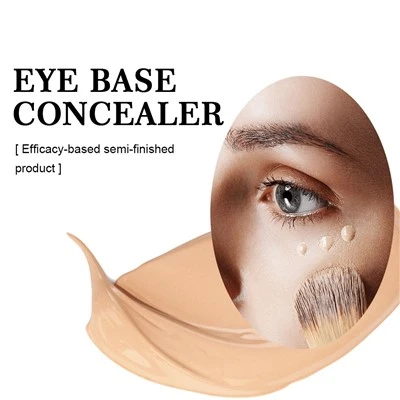
If you’re a practice owner or optometrist who’s been on the fence about switching to Eye Base because of random side effect rumors, let’s chat. We can walk you through setup, share client testimonials from practices that have used Eye Base for years, and even send you a free sample of our calibration tool to test. Our team is made up of ex-optometric techs and practice owners, so we get exactly what you need—no salesy B.S., just real answers.
Lip Mask Semi-Finished Material References: 1. American Optometric Association. (2023). Digital Vision Testing Tools: Safety and Best Practices for Clinical Use. 2. FDA. (2022). 510(k) Clearance Summary: Eye Base Visual Acuity Chart System. 3. Journal of Optometric Practice. (2021). A Retrospective Study of Patient Outcomes Using Standardized Digital vs. Paper Visual Acuity Charts. 4. American Academy of Pediatrics. (2022). Vision Screening Guidelines for Pediatric Primary Care Settings.
Guangzhou Yishengheng Cosmetic Co., Ltd.
As one of the most professional eye base manufacturers in China, we’re featured by high quality customized products. Please feel free to buy discount eye base in stock here and get pricelist from our factory. Quality products and punctual delivery are available.
Address: Room 1003, 10th Floor, Building B, Suijin Center, No. 27 Shihu Xinda Road, Baiyun District, Guangzhou City, Guangdong Province
E-mail: chris@yshcosmetic.com
WebSite: https://www.yshcosmetic.com/
