If you’ve ever shopped for a billiard table, chances are you’ve only focused on the upfront cost—after all, that’s the big number staring you in the face when you’re picking a new piece for your game room, bar, or community space. But here’s a secret most people don’t talk about: maintaining a billiard table isn’t just a one-time expense. It’s a long-term commitment that adds up, and as a billiard table supplier, I’ve seen way too many customers get blindsided by unexpected upkeep costs months after their purchase. Let’s break down exactly what you’re actually paying for when it comes to keeping your table in playable shape, no matter if it’s a 7-foot home model or a full-size 9-foot professional one. Billiard Table

First, let’s get the basics out of the way: billiard tables aren’t like folding pool tables you can haul out of a closet once a year. Most quality tables weigh 500 to 1,000 pounds, and the core of their play surface is three (sometimes four) pieces of slate—heavy, smooth, and the reason your balls roll true. That slate’s need for a stable, level base is non-negotiable, and that’s where one of the biggest hidden maintenance costs comes in: re-leveling. A lot of people think their table stays perfect forever, but even small shifts in the floor (like settling from a new carpet, a heavy couch pushed next to the table, or even just seasonal humidity changes) can throw off the balance. For home tables, if you notice balls drifting to one end or stopping short when you bank a shot, that’s a sign it’s time to re-level. Most pros charge between $150 and $300 for that service, depending on your location and table size—something to budget for every 2 to 5 years, not just after a big move or home renovation.
Then there’s the felt. That felt is more than just a pretty color; it’s a tightly woven, specially designed fabric that’s tensioned over the slate to create consistent ball speed. Cheap felt (the stuff on budget tables) might only last 3 to 5 years, but higher-quality wool-blend felt—think the kind we stock here, which is designed for regular play—can go 7 to 10 years… if you take care of it. Even so, replacement isn’t optional forever. A full re-felt job (including re-tensioning the fabric, trimming edges, and replacing pocket liners) costs $200 to $450, again depending on size. Skimping here is a bad call: frayed felt slows balls down, causes unpredictable rolls, and even wears out pool balls faster. I’ve had customers tell me they put off re-felting for a year just to save cash, only to have to replace 10+ balls prematurely, which ended up costing them more in the long run.
Speaking of pool balls, they’re another part of the maintenance cycle that’s easy to overlook. A set of good regulation balls will last 5 to 7 years in a home with casual play, but in a busy bar or game room, they might only hold up 2 to 3 years. Faded numbers, scuffed surfaces, and misbalanced balls (from wear) throw off every shot. A standard set of 2.25-inch regulation balls runs $50 to $150, depending on if you go for plastic or resin. Even if you’re not replacing the whole set, you’ll need to clean them regularly—using mild soap and water, not harsh chemicals that eat away at the polish—to keep them rolling smoothly. Skipping that cleaning makes them get dull fast, and that’s just unnecessary wear.
Pockets and rails are next. The pocket liners (the fabric that lines the holes) take a lot of abuse from balls being potted repeatedly. They can tear, stretch, or get frayed, which makes it harder to pot clean shots and even lets balls bounce out mid-game. Replacing pocket liners is usually part of a re-felt job, but if you catch damage early, you can swap just the liners for $30 to $60, instead of paying for a full re-felt. The rails (the bumpers around the table’s edge) are another story. Those have rubber cushions inside that transfer the right amount of force when a bank shot hits. Over time, that rubber hardens, loses its bounce, and makes bank shots feel off. Replacing rail cushions runs $100 to $200 per rail, with most tables having 6 rails, so that’s a big job—usually only needed every 10 to 15 years, but still something to plan for.
Now, let’s talk about the little, regular costs that add up, because those are the ones that sneak up on you. First, cleaning supplies. You don’t need fancy stuff, but you do need the right tools: a soft bristle brush (not a vacuum with a beater bar, which can snag felt), a microfiber cloth for balls, and a slate cleaner (harsh window cleaners destroy the slate’s finish over time). That kit costs $20 to $40 upfront, and you’ll top up supplies every few months as needed. Then there’s keeping the area around the table consistent. Humidity is a silent killer for billiard tables. Too much moisture (like a basement with leaky pipes, or a summer with high humidity) warps the wood rails, makes the felt stretch, and even causes slate to crack. Too little humidity (dry winter air from heating systems) makes the wood shrink, which can loosen the slate’s edges and throw the table off level. A small humidifier or dehumidifier near the table costs $30 to $80, and maintaining that consistent humidity (between 40% and 50% is ideal) is way cheaper than fixing warped rails or cracked slate later.
Wait, let’s not forget about moving costs if you relocate your table. Moving a billiard table isn’t like moving a couch. You have to disassemble the slate, carefully pack the pieces, re-level and re-felt the table after moving, and that’s a job for pros. For a 9-foot table, that’s anywhere from $250 to $500—way more than most people expect. I’ve had customers who thought they could move their table themselves end up with a damaged slate or loose rails, costing them double the moving fee in repairs.
Now, let’s get specific about different table types, because the cost changes a lot if it’s a home use vs. commercial. A homeowner who plays casually once a week might spend $100 to $200 a year on maintenance, on top of the big, infrequent costs (re-leveling every 3-5 years, re-felting every 7-10 years). A commercial space, like a bar that’s open 6 nights a week, will be different: their felt might only last 2-3 years, balls every 2, re-leveling every 1-2 years, and that adds up to $300 to $600 a year, just in routine upkeep. That’s why it’s important to buy a table that matches how you’ll use it—cheaper budget tables might have lower upfront costs, but their maintenance cycles are way shorter, so you end up spending more over time.
A lot of people ask me: is there a way to cut costs on maintenance without ruining the table? Honestly, the best way is to do regular upkeep yourself, instead of hiring a pro for every small thing. Vacuuming the felt gently every 1-2 weeks (using the low-suction setting on your vacuum, no beater bar) keeps dust and crumbs from wearing down the fabric. Wiping down the balls after each game stops grime from building up. Checking the level every few months (you can use a small level on the slate’s surface, between cushions) lets you catch small shifts before they turn into a big re-leveling job. Skipping those small steps leads to bigger, more expensive fixes later, which everyone hates.
Let’s also talk about mistakes I see customers make all the time, that end up costing them more. Using a regular vacuum on felt—guys, that’s a quick way to snag and tear the fabric, and then you’re looking at a patch job or full re-felt. Using window cleaner on the slate’s surface—ammonia in those cleaners eats away at the slate’s protective finish, making it dull and hard to clean over time. Leaving drinks on the table’s edge—spills can seep into the wood rails, cause warping, and even damage the slate if the spill is big enough. I’ve had a customer ruin a $1,200 slate because he left a soda bottle on the table overnight; the sugar seeped into the slate’s edges and attracted ants, and fixing that cost him $800. It’s the small, avoidable mistakes that add up.
Now, as a supplier, I don’t just sell tables—we help customers plan for maintenance, because we know it’s not just about the initial purchase. If you’re shopping for a new table, we can walk you through the upkeep costs specific to the model you’re looking at, so you don’t get surprised down the line. We also offer maintenance services and genuine replacement parts (felt, cushions, liners, balls) at fair prices, so you don’t have to shop around for sketchy parts that won’t hold up.
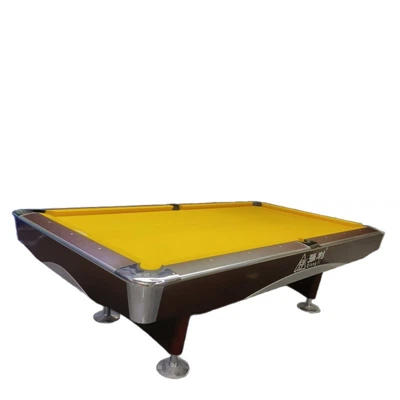
If you’re tired of dealing with a table that doesn’t roll true, or you’re ready to invest in a quality billiard table that will last for years, don’t stress about the maintenance costs—we can help you work out a plan that fits your space and budget. Hit us up to chat about your needs, and we’ll break down exactly what you can expect to spend to keep your table in great shape, no hidden fees, no confusing jargon.
Billiard Table References
- Billiard Congress of America. (2022). "Proper Care and Maintenance of Commercial and Home Billiard Tables." National Pool & Billiard Association.
- Smith, J. (2021). "Long-Term Maintenance Costs for Slate Pool Tables." Home Recreation Industry Review.
- Lee, M. (2020). "Humidity Effects on Billiard Table Components." International Journal of Recreational Furniture Design.
- Professional Pool Table Movers Association. (2023). "National Average Costs for Billiard Table Disassembly, Transport, and Reassembly."
Yushan Hengshuo Mining Co., Ltd.
As one of the most professional billiard table manufacturers and suppliers in China, we also support customized service. Please feel free to buy high quality billiard table at competitive price from our factory. For quotation, contact us now.
Address: No. 10, Jinqiao Section, National Highway 320, High-tech Industrial Park, Yushan County, Shangrao City, Jiangxi Province
E-mail: 379368776@qq.com
WebSite: https://www.hengshuoslate.com/
