What is the relationship between hot – press pressure and plywood density?
As a supplier of hot presses for plywood, I’ve witnessed firsthand how crucial the hot – press pressure is in determining plywood density. In this blog, I’ll dive deep into the relationship between these two factors, and share insights that can be invaluable for anyone involved in the plywood industry. Hot-press for Plywood
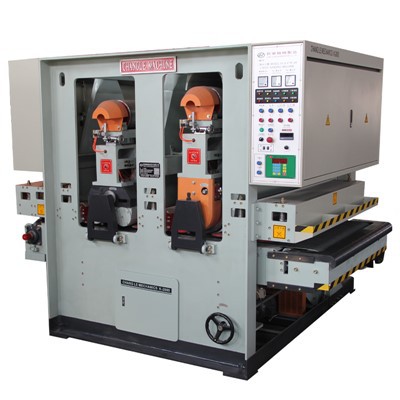
Plywood is a versatile building material known for its strength, durability, and cost – effectiveness. It is made by gluing together multiple layers of thin wood veneers, with each layer’s grain direction typically perpendicular to the adjacent one. The hot – pressing process is a key step in plywood manufacturing, where heat and pressure are applied simultaneously to bond the veneers together using an adhesive.
Understanding Plywood Density
Plywood density is a measure of the mass of the plywood per unit volume. It is usually expressed in grams per cubic centimeter (g/cm³) or kilograms per cubic meter (kg/m³). Density is an important property as it affects many other characteristics of plywood, such as strength, stiffness, and resistance to moisture and wear.
High – density plywood generally has better mechanical properties, including greater shear strength, bending strength, and compressive strength. It is more resistant to denting, warping, and splitting, making it suitable for applications where durability is crucial, such as heavy – duty flooring, furniture frames, and construction beams. On the other hand, low – density plywood is lighter, more flexible, and often used in applications where weight is a concern, like interior partitions and some types of packaging.
The Role of Hot – Press Pressure
Hot – press pressure is one of the primary factors that influence plywood density. During the hot – pressing process, the pressure forces the veneers to come into close contact with each other, squeezing out excess air and adhesive. This compaction of the veneers results in an increase in the mass within a given volume, thereby increasing the density of the plywood.
When the hot – press pressure is increased, the veneers are compressed more tightly together. As a result, the voids between the wood fibers and veneers are reduced, and the overall thickness of the plywood decreases. Since the mass of the veneers remains relatively constant, a decrease in volume due to compression leads to an increase in density.
However, the relationship between hot – press pressure and plywood density is not strictly linear. There is a point of diminishing returns, where further increases in pressure may not result in a significant increase in density. This is because at high pressures, the wood fibers reach a point where they can no longer be compressed further, and additional pressure may instead cause damage to the wood structure, such as crushing of fibers or delamination of veneers.
Factors Affecting the Relationship
Several factors can influence the relationship between hot – press pressure and plywood density. These include the type of wood species used, the moisture content of the veneers, the type and amount of adhesive, and the temperature during the hot – pressing process.
Wood Species: Different wood species have different inherent densities and fiber structures. For example, hardwoods like oak and maple are generally denser than softwoods like pine and fir. When using denser wood species, a lower hot – press pressure may be sufficient to achieve a certain level of plywood density compared to using less dense wood species.
Moisture Content: The moisture content of the veneers plays a significant role. Veneers with a higher moisture content are more pliable and can be compressed more easily. However, if the moisture content is too high, steam may be generated during the hot – pressing process, which can cause blistering and delamination of the plywood. On the other hand, if the moisture content is too low, the veneers may be brittle and less likely to bond properly.
Adhesive Type and Amount: The type of adhesive used affects how well the veneers bond together under pressure. Some adhesives require higher pressures to cure and form strong bonds, while others can work effectively at lower pressures. Additionally, the amount of adhesive applied also matters. Too much adhesive can lead to excessive resin build – up, which may reduce the density of the plywood due to the presence of uncompressed resin.
Temperature: The temperature during the hot – pressing process is also crucial. Heat helps to activate the adhesive, making it more fluid and sticky. Higher temperatures can sometimes allow for a lower hot – press pressure to achieve the same level of bonding and density, as the adhesive can flow more easily and penetrate the wood fibers better.
Practical Applications
In the plywood manufacturing process, understanding the relationship between hot – press pressure and plywood density is essential for producing high – quality products efficiently. By carefully controlling the hot – press pressure based on the factors mentioned above, manufacturers can optimize the density of the plywood to meet the specific requirements of different applications.
For example, if a manufacturer wants to produce high – density plywood for heavy – duty applications, they may increase the hot – press pressure while ensuring that the other process parameters, such as moisture content and adhesive type, are also optimized. Conversely, for low – density plywood production, a lower hot – press pressure may be used while still maintaining proper bonding between the veneers.
As a hot – press supplier, I work closely with plywood manufacturers to help them select the right hot – press equipment and set the appropriate pressure settings. Our hot presses are designed to provide precise control over the pressure, temperature, and pressing time, allowing manufacturers to achieve the desired plywood density consistently.
Conclusion and Call to Action
In conclusion, the relationship between hot – press pressure and plywood density is complex but well – understood. By carefully managing the hot – press pressure and considering other influencing factors, plywood manufacturers can produce products with a wide range of densities to meet diverse customer needs.
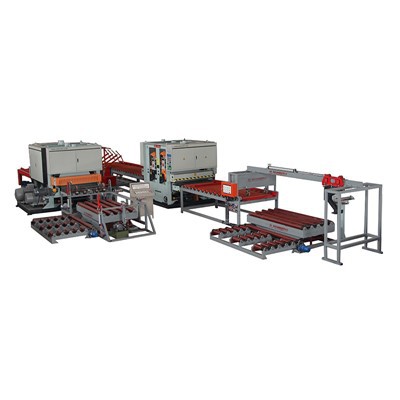
If you’re in the plywood manufacturing industry and looking to upgrade your hot – pressing equipment or improve your production process, I encourage you to reach out. Our team of experts can provide you with the latest information on hot – press technology, help you select the most suitable equipment for your needs, and offer guidance on optimizing your hot – pressing process to achieve the desired plywood density. Don’t hesitate to contact us for a consultation and start enhancing the quality and efficiency of your plywood production today.
Hot-press for Plywood References
- Boccaccini, A. R., & Novak, M. (Eds.). (2001). Wood – based Composites: Manufacture, Performance and Utilization. Springer.
- Winandy, J. E., & Rowell, R. M. (1984). Wood as an engineering material. USDA Forest Service.
- Youngquist, J. A. (1981). Plywood and Composite Panels: Manufacturing, Characteristics, and Uses. Miller Freeman.
Jiashan Changle Machinery Manufacturing Co., Ltd.
We’re well-known as one of the leading hot-press for plywood manufacturers and suppliers in China, also support customized service. Please feel free to buy advanced hot-press for plywood for sale here from our factory. Quality products and punctual delivery are available.
Address: Building 12, Zone A, Wanyang Innovation City, No. 23 Yucao South Road, Ganyao Town, Jiashan County, Jiaxing City, Zhejiang Province
E-mail: Changle84615620@163.com
WebSite: https://www.changlejx.com/
