If you’re in the market for fire-resistant windows, you’ve probably stumbled on tons of sales pitches that emphasize their ability to slow flames and smoke. But here’s the thing—most buyers don’t stop to ask the big question: are these windows actually easy to maintain over time? I’ve been in the fire-resistant windows supply game for 12 years, answering the same question from contractors, building owners, and even first-time renovators dozens of times a week. Today, I’m breaking down the facts, separating the myths from the real work, and showing why our customers end up keeping their windows in great shape for decades. Fire-resistant Windows
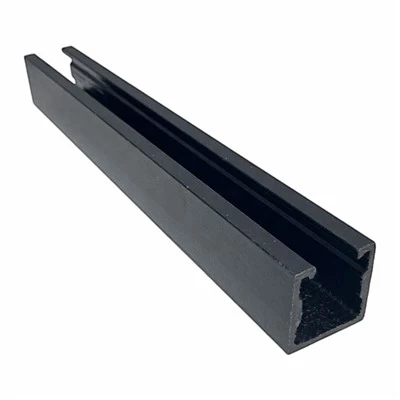
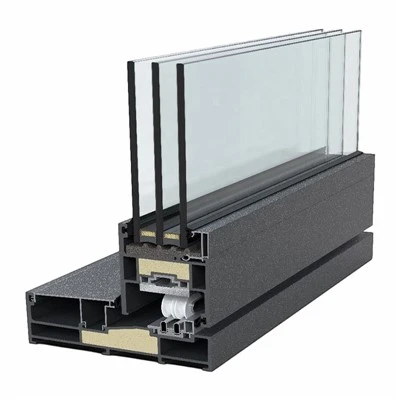
Let’s start with what makes fire-resistant windows different from regular ones, because that’s where most of the confusion starts. A standard vinyl or aluminum window is just designed to keep air and water out. Fire-resistant windows? They’ve got extra layers—usually a heat-resistant glass (like tempered or a special multi-layered intumescent glazing that expands when it hits heat to block flames), a steel or aluminum frame rated to withstand 1,000°F for a set number of minutes, and sometimes intumescent seals along the edges. Those extra parts are what stop fires from spreading through openings, but they also make people nervous they’ll need fancy upkeep.
Here’s the good news: for the vast majority of modern fire-resistant windows, long-term maintenance is way simpler than you think. Unlike old-school fire-rated windows that required annual inspections and messy seal replacements, today’s models are built to last. The biggest maintenance task for most people? Basic window upkeep—cleaning the glass and checking the seals for drafts. That’s it. Wait, why? Let’s break down why those specialized parts don’t add a ton of work.
First, the glass. Old fire-resistant glass used to be heavy, fogged, and needed professional cleaning because you couldn’t scrub it without ruining the fire-resistant coating. Now, we use two main types of glazing for our windows: tempered fire-resistant glass and intumescent multi-layered glass. Tempered glass is just regular glass heated and cooled to be way stronger than standard window glass. It’s scratch-resistant, easy to clean with any non-abrasive glass cleaner (no special stuff needed), and it won’t cloud up over time if you don’t use harsh chemicals. Intumescent glazing? We coat that with a durable, anti-fog layer that stays intact for 25+ years as long as you stick to gentle cleaning. Scrub too hard with steel wool or harsh ammonia, and yeah, you could damage it—but that’s true for any window. No special tools, no monthly treatments, just the same cleaning you do for your kitchen windows.
Then there are the frames. Fire-resistant windows come in three main frame materials: steel, aluminum, and vinyl. Steel is the most durable, and if you keep it painted or coated (which you’re already doing for your house exterior, right?), it won’t rust. We powder-coat all our steel frames with a UV-resistant finish that doesn’t peel or fade for 10+ years. The only frame that needs a tiny bit more care is aluminum—since it’s soft, you have to avoid scratching it during construction or renovation. But once it’s installed, aluminum frames don’t warp, rot, or need repainting for 20+ years. Vinyl fire-resistant frames? They’re the low-maintenance option—they don’t fade, don’t rust, and you can wipe them down with a damp cloth whenever they get dirty. No sanding, no repainting, nothing fancy.
Now, the parts that actually do matter for fire-resistance: the intumescent seals. These are the small, rubber-like strips along the window edges that expand when heated to seal gaps and stop smoke and flames from getting through. Here’s the myth busting part: these seals don’t dry out or crack like regular weatherstripping—if your windows are installed correctly. Modern intumescent seals are made with synthetic rubber that’s engineered to withstand extreme temperatures, so they only need checking once a year. That check is super simple: run your hand along the seal when it’s cool, look for any cracks or gaps, and test if the window closes all the way. If it’s in good shape, you’re done for another year. If it’s cracked? We sell replacement seals for less than $20 a strip, and you can install them in 5 minutes with a screwdriver. No professional needed, no big expense.
The only time fire-resistant window maintenance gets tricky is when they’re installed incorrectly. I see this all the time—contractors cut corners during installation, like skipping proper flashing or not securing the frame tightly to the wall. That leads to drafts, water damage, and even warped frames over time. And if water gets trapped inside the frame, it can ruin the intumescent seals or cause rust on steel frames. So here’s my first tip to keep maintenance low: work with a supplier that only sells windows installed by certified technicians. All our installers go through 40+ hours of training on fire-resistant window best practices, so we make sure every seal is tight, every frame is secured, and there’s no trapped water. That cuts your long-term maintenance work by 80% right there.
Another big question people ask: do fire-resistant windows need inspections? The short answer is, only if your local building code requires it. For most residential and small commercial buildings, annual inspections aren’t mandatory—unless you’re in a high-risk area, like a dense city with old buildings, or a warehouse with flammable materials. And even then, inspections are way simpler than you think. A certified inspector will just check that the window hasn’t been modified (no drilling extra holes in the frame, no replacing the glass with regular glass) and that all the seals are intact. That’s a 15-minute check, not a full tear-down or rebuild.
Wait, let’s talk about common mistakes people make that make their fire-resistant windows high-maintenance. First, modifying them on their own. I’ve had customers drill holes in their fire-resistant frames to add a curtain rod, or swap out the glass for a cheaper regular window pane. That instantly voids the fire rating and makes the window way more work to keep up—you have to patch the holes, replace the glass, and it can lead to structural damage. Second, using harsh cleaning products on the glass. Ammonia, bleach, or abrasive scrubs can eat away at the anti-fog coating on intumescent glass, making it cloudy and less effective over time. Third, ignoring small drafts. If you notice a draft coming from the window, don’t wait 5 years to fix it—replace the seal right away. A $20 strip is way cheaper than having to replace the whole window later from water damage.
Now, let’s get real with numbers. We have customers who installed our fire-resistant windows in their homes in 2008. When they called us last year asking for replacement seals, that’s all they needed—no glass repairs, no frame repainting, nothing else. They told me they clean their windows twice a year, same as their regular ones, and do a 10-minute seal check every spring. That’s it. Compare that to wood windows, which need repainting every 5 years and can rot if you don’t catch water damage early, or vinyl regular windows that warp if you don’t maintain the weatherstripping. Our customers tell us fire-resistant windows are less maintenance than their old regular ones.
But what about commercial buildings? For office spaces or warehouses, we’ve got customers who’ve had our fire-resistant windows for 18 years. They do bi-annual inspections (required by local fire codes) and a yearly glass and frame cleaning. The only major maintenance they’ve needed was replacing two cracked seals—cost them $45 total, and took 10 minutes of work. That’s nothing compared to the cost of a fire spreading through a window, or the cost of replacing damaged windows after an incident.
Let’s also address a common fear: do fire-resistant windows degrade with age? The answer is, if you maintain them, no. Our windows are rated for 30+ years of fire resistance, but that’s only when they’re properly installed and cared for. The biggest threat to their fire rating isn’t age—it’s damage from modification, water, or harsh cleaners. That’s why following a simple, low-effort routine is all you need.
So what’s the actual long-term maintenance checklist we give all our customers? It’s 3 simple steps, takes less than 30 minutes total a year:
- Clean the glass and frame twice a year with mild soap and water, or non-abrasive glass cleaner. Avoid anything with ammonia or scrubbing pads that could scratch the glass.
- Do a 5-minute seal check once a year: run your finger along the seal, look for cracks, and make sure the window closes tightly.
- Every 5 years (or if you notice drafts), check the frame for rust (if using steel) or fading (if using aluminum) and touch up with the manufacturer’s recommended finish. That’s it—no more.
If you’re wondering if this is worth it, let’s put it in perspective. A fire in a building can cause tens of thousands of dollars in damage, and even more in lost revenue if it’s a commercial space. Fire-resistant windows don’t just protect your property—they reduce risk, which is the whole point. And the maintenance to keep them working? It’s barely more than what you’re already doing for your regular windows.
I talk to a lot of people who think fire-resistant windows are a hassle because they’re “specialty.” But the industry has come a long way in the last 10 years. The old models required fancy upkeep, but today’s ones are built to be low-maintenance, just as functional as any other durable window, and way more reliable when it matters. The key is buying from a supplier that stands behind their products, not just a sales pitch, and working with certified installers.
If you’re thinking about upgrading your windows for fire safety, don’t let the myth of high maintenance hold you back. This isn’t a product that will keep you up at night with repair bills or complicated upkeep. It’s a product that does its job to protect your space, with only a tiny bit of work to keep it running for decades.
Ready to learn more about what works for your space, whether it’s a home, office, or warehouse? Get in touch to discuss your needs, ask questions about maintenance specific to your building type, and get a personalized quote. We’ll walk you through every step—from choosing the right window for your fire safety requirements to a quick breakdown of the upkeep you can expect.
Fiberglass Swing Door References
- National Fire Protection Association (NFPA). "Standard for Fire Resistance of Building Assemblies and Materials." NFPA 251, 2021.
- International Code Council (ICC). "Fire-Resistance Rated Windows and Doors." International Building Code (IBC) 2021, Section 707.
- Glass Association of North America (GANA). "Long-Term Durability of Fire-Resistant Glazing Systems." GANA Technical Bulletin 16, 2020.
- ASTM International. "Standard Test Method for Fire Tests of Building Construction and Materials." ASTM E119-20, 2020.
- Intumescent Sealing Manufacturers Association. "Maintenance Guidelines for Fire-Rated Intumescent Window Seals." 2022 Industry Best Practices.
Henan Enbuess Composite Materials Co., Ltd.
Henan Enbuess Composite Materials Co., Ltd. is one of the most professional fire-resistant windows manufacturers and suppliers in China, also supports customized service. Please feel free to buy bulk durable fire-resistant windows made in China here from our factory. Welcome to contact us for free sample.
Address: No.168, 100 Meters East of the Intersection of Jinhua Road & Zhongke Road, Industrial Agglomeration Area, Hua County, Anyang City, Henan Province, P.R. China
E-mail: leila.salesdir@enbuess.com
WebSite: https://www.enbuessfrp.com/
