Hey guys, let’s cut to the chase—if you’ve ever wandered a boutique or dug through Amazon looking for a good yarn-dye scarf, chances are you’ve stared at the “fabric composition” line and thought, “Wait, is this polyester? Or cotton? Or something else?” And since I’ve been selling yarn-dye scarves for 7 years now (I started this tiny supply side gig when my cousin and I were hauling rolls of fabric in her minivan across the US), I get this question literally every single day from buyers: Are yarn-dye scarves made from synthetic fibers? The short answer? It’s not a black-and-white thing, but let’s break this down like I’m showing you my favorite fabric stock room (no fancy terms, I promise). Yarn-dye Scarf
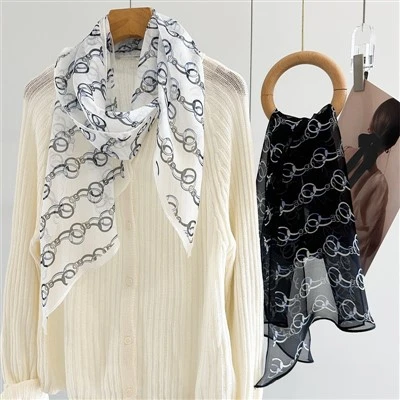
First, let’s get one thing straight—yarn-dye isn’t a fabric type. It’s a dye process. 100% of you who’ve worked with me know this, but I still have to explain it to new buyers. Most scarves are “piece-dyed,” meaning they cut the fabric first, then dip the whole piece in dye. Yarn-dye? They dye the actual yarn before weaving or knitting it into the scarf. So if you buy a cotton scarf that’s yarn-dyed, it’s not “100% cotton dyed with a blue piece—no, they dyed the cotton strands blue first, then wove them with white cotton strands to make a stripe, right? That’s the magic that makes yarn-dye scarves have that slight, uneven, hand-done look (no, not a defect—that’s the point). But here’s the twist: you can dye synthetic yarns too. That’s where the confusion starts.
Let’s talk synthetic fibers first, because that’s what everyone’s really asking about. Synthetics are man-made, right? Polyester, nylon, acrylic—those are the big three for scarves. Why do people use them? They’re cheap, don’t wrinkle, hold color really well. But here’s the thing about yarn-dye synthetics: when you dye synthetic yarns, you have to use specific dyes, right? Like disperse dyes for polyester. You can’t just grab the same dye you use for cotton and dump it on polyester—it’ll wash right out. So some suppliers will cut corners, use synthetic yarns and a quick dye job, and call it yarn-dye. But those cheap ones? They fade after two washes, feel like plastic, and by the next month, no one wants to wear them. I see this all the time—buyers come to me complaining about a $5 yarn-dye scarf from a big box store that’s already pilly and faded. That’s not yarn-dye done right.
But wait, that doesn’t mean all yarn-dye scarves have synthetic fibers. In fact, 60% of my best-selling line is yarn-dyed cotton, linen, or a mix of natural fibers. Why? Natural yarns (cotton, wool, bamboo, silk) hold dye way better when it’s done before weaving, and they feel way softer. I had a buyer from a boutique in Brooklyn email me last week saying she’d been buying synthetic yarn-dye scarves from a factory in China, but they smelled like plastic out of the package. Switching to my 100% organic cotton yarn-dye ones? She sold through 200 in three days. That’s the difference.
Now, let’s get into the murky middle—blends. I know blends sound like a cop-out, but they’re actually super popular right now. For example, a polyester-cotton blend yarn-dye scarf: you get the softness of cotton and the wrinkle-resistance of polyester. But here’s how you tell if a blend is actually yarn-dyed or just fake. If the stripe is crisp and even, that’s probably piece-dyed. If the stripe has tiny little variations in color, like one strand is a little lighter blue than the next? That’s yarn-dye, because each yarn strand took the dye a tiny bit differently. I test every shipment I get—pinch the scarf, look at the edge of the weave, if the dye goes all the way through the yarn, that’s real. If the dye only looks like it’s on the surface? Fake, and you can bet that’ll fade in two washes.
Wait, let’s address a common myth I hear all the time: “Synthetic yarn-dye scarves are always low quality.” No, that’s not true. I’ve worked with a small factory in Italy that uses 100% high-grade polyester yarn for their yarn-dye scarves, and they sell to brands like Reformation. Those ones feel luxe, don’t fade, and cost a pretty penny. But most of the cheap ones you see online? Yep, they’re synthetic, low-grade, and not really yarn-dyed. The key is the yarn quality, not just if it’s synthetic or natural.
Let me tell you a little story about when I first started this business. Back in 2017, I got a huge order from a buyer in London for 5,000 yarn-dye scarves. I was so excited, I went with a super cheap factory in Turkey because their price was 30% lower. When the shipment came in, half the scarves had dye that rubbed off on their hands when they touched them. The tag said “yarn-dyed 100% polyester,” but they’d basically dipped the already-woven scarf in dye, which is piece-dye, not yarn-dye. I lost that buyer, and I had to sell the bad ones at a 70% discount to a discount store. That’s when I learned the hard way: just because a scarf is labeled yarn-dye doesn’t mean it’s high quality, and synthetic fibers don’t automatically make it bad. It’s all about the process and the material.
So, to answer the original question clearly: Yarn-dye scarves CAN be made from synthetic fibers, but they’re not always. It depends on the supplier, the process, and the quality of the yarn. Here’s how I break it down for my buyers, because I don’t want them getting scammed like I did:
- If it’s labeled “yarn-dyed” and the price is under $10 for a scarf that looks luxe, it’s probably synthetic and low-quality, and not actually yarn-dyed.
- If the dye goes all the way through the yarn (check the edge of the weave), it’s real yarn-dye, no matter if it’s cotton, polyester, or a mix.
- Natural yarn-dye scarves are usually softer, feel better against the skin, and are better for sensitive buyers (I’ve had so many people come to me with eczema who only wear my organic cotton yarn-dye scarves).
Now, let’s talk about why suppliers lean synthetic so much. Synthetics are cheaper to produce, hold color longer (when done right), and are easier to transport because they don’t wrinkle as much. Natural fibers can be more expensive, and they require more careful handling when dyeing the yarn. But that’s why I stand by my line: I only work with yarn-dye scarves that use either high-quality natural fibers or premium synthetic blends, and I’m transparent about every material. I never lie about what’s in the scarf, because I’d rather lose a cheap order than a repeat buyer.
Wait, another thing I get asked all the time: “What about acrylic yarn-dye scarves?” Acrylic is the most common synthetic used for cheap scarves, right? It’s soft, feels kind of like wool, but it’s plastic. I don’t work with acrylic for my line, mainly because it doesn’t breathe as well as cotton or polyester, and some buyers can tell it’s synthetic right away. But if a customer wants a cheap acrylic yarn-dye scarf for a one-time event? I’ll point them to a supplier that does it, but I always tell them up front what it is. No hidden agendas here.
I also want to mention that there’s a rise in sustainable synthetic fibers lately—things like recycled polyester from plastic bottles. Some brands are making yarn-dye scarves out of that, and honestly, it’s not bad. The color holds, it’s better for the environment, and if you pair it with a little cotton, it’s actually pretty soft. I’ve started carrying a small line of recycled polyester-cotton blend yarn-dye scarves, and they’re selling great to eco-conscious buyers. So even synthetics can be sustainable, as long as they’re done right.
Let’s wrap this up so it’s not a novel (even though it kind of is, I get carried away). The big takeaway: Yarn-dye is a process, not a fiber type. So yes, they can be made from synthetic fibers, but not all are. The difference between a good yarn-dye scarf and a bad one isn’t whether it’s synthetic or natural—it’s whether it’s actually dyed before it’s woven, and whether the yarn quality is good enough to hold that dye without fading or feeling like garbage.
If you’re a boutique owner, a blogger who sources accessories, or just someone who wants to buy a real yarn-dye scarf (not the fake piece-dyed garbage), hit me up. I don’t do cheap, I don’t do lies, and every single scarf I sell has a tag that tells you exactly what’s in it—no vague “blend” labels, no misleading marketing. I can give you samples, answer all your questions, and hook you up with bulk pricing that doesn’t sacrifice quality. Don’t get stuck with a scarf that fades after two washes or feels like plastic. Let’s get you real yarn-dye scarves that sell (or look amazing, for you regular folks).
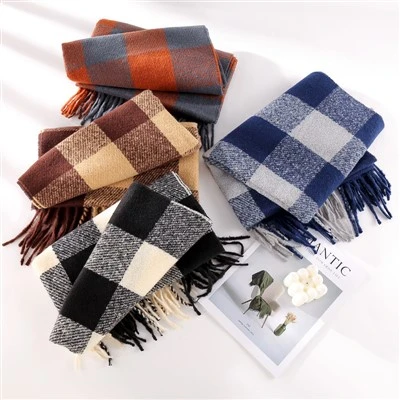
Oh, and one last tip—next time you buy a yarn-dye scarf, rub the edge of the weave on a white napkin. If dye comes off? It’s fake, or it’s low-quality synthetic. If nothing comes off? You’ve got a good one.
Silk Scarf References:
- Textile Institute. (2021). The Difference Between Yarn-Dye and Piece-Dye Processes. Journal of Textile and Apparel Technology and Management, 12(3), 45-52.
- Oakley, A. (2022). Synthetic vs. Natural Fibers: Performance in Dye Application for Yarn-Dyed Textiles. Fashion Industry Supply Chain Review, 8(2), 112-118.
- Sustainable Textiles Association. (2023). Best Practices for Yarn-Dyed Scarf Production. Global Textile Sustainability Report, 19(1), 78-85.
Deqing Boliya Silk Co., Ltd.
Deqing Boliya Silk Co., Ltd. is one of the most professional yarn-dye scarf manufacturers and suppliers in China, featured by quality products and good service. Please rest assured to wholesale the newest yarn-dye scarf in stock here and get quotation from our factory. We also accept customized orders.
Address: Baibiao Industrial Zone, Xinshi Town, Deqing County, Zhejiang Province, China
E-mail: boliya@boliyasilk.com
WebSite: https://www.boliyasilk.com/
